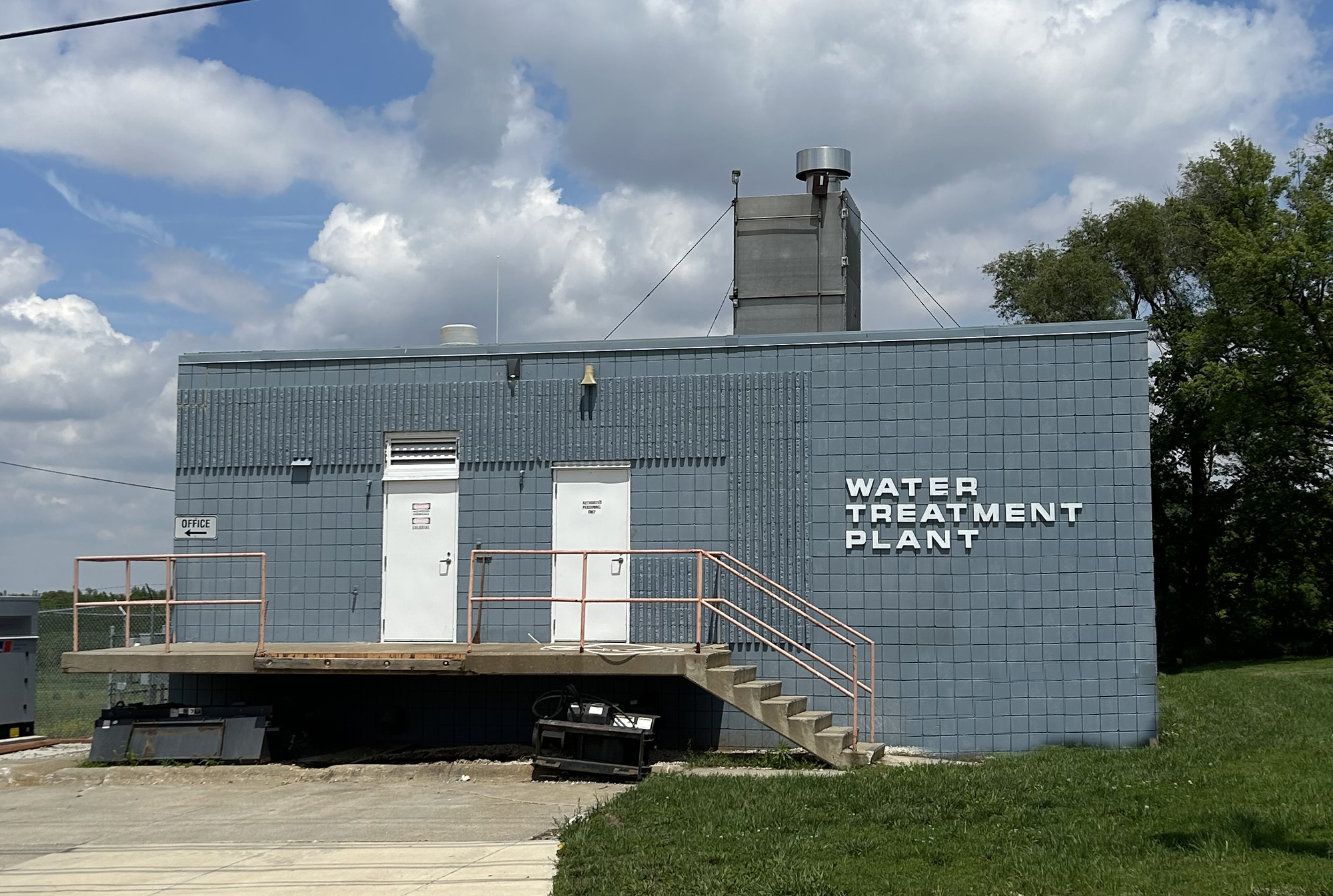
Many rural communities in Nebraska will encounter issues with water system contamination at some point. When this happens, community leaders and residents will likely be left with questions and concerns about the quality and safety of their drinking water.
Leaders of rural communities have a reliable resource just a phone call away: the Nebraska Department of Environment and Energy (NDEE). The department helps community leaders figure out next steps and provides technical assistance and resources when possible.
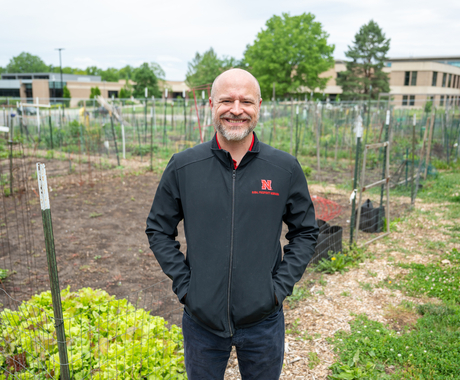
Staff from the Center for Rural Affairs occasionally meet with NDEE officials to discuss new opportunities, and Lisa Giesbrecht, environmental specialist with the state’s revolving fund section, planning and aid division of NDEE, shared her thoughts on how her department can help when a water crisis occurs.
Common issues found in Nebraska’s drinking water
Rural communities and larger cities face the same concerns when it comes to issues with their drinking water. The main problems are maintaining compliance with the state’s Safe Water Drinking Act and replacing aging infrastructure before it fails.
“Compliance concerns with municipal water supplies are challenging to treat or remedy without costly solutions,” Lisa said. “Rural communities often face those same added challenges but with smaller service populations, reduced number of system staff, and less resources to address all those concerns.”
The most common contaminants found in Nebraska drinking water wells are nitrate, arsenic, uranium, and, in certain parts of the state, selenium. Elevated nitrate is found in wells at various depths and locations across the state, whereas arsenic and uranium are specific to locations where they are already present in the bedrock material and/or silt and clay formations within the aquifer.
“All rural communities need to proactively plan for increasing water user rates to properly budget for the replacement of aging infrastructure,” Lisa said. “The state’s revolving loan fund can help but cannot solve that problem alone. All of Nebraska’s towns need to budget today for when their systems have to address that inevitability.”
Finding funding, quelling concerns
The Nebraska Drinking Water State Revolving Loan Fund exists to help rural communities with emergency and non-emergency water contamination issues. The interest rate for this loan is often 0%, or very low.
Project managers in NDEE’s state revolving fund section work with communities to develop loans and provide assistance and information so they can meet federal and state loan requirements.
“Currently, we are working on replacing aging water infrastructure or making improvements to existing infrastructure,” Lisa said. “These projects can consist of water main replacements, new wells, new water towers, and/or updating and improving water treatment plants.”
Meeting qualifications, submitting applications
To get help during crises, community leaders must follow crucial steps. While it may seem like a lot to take on, the assistance received may be worth the effort in the long run.
To be eligible for revolving loan funds, community leaders need to first see if their public water supply systems meet the requirements of the Drinking Water State Revolving Fund Act and Nebraska Administrative Code, Title 131.
From there, they should complete and submit the Combined Clean Water and Drinking Water Needs Survey every other year. The next survey will be sent out in fall 2025 and is due in January 2026. This survey is used to develop and prioritize projects, which are then included in NDEE’s Intended Use Plan.
Next, leaders must submit a preapplication and Preliminary Engineering Report for their project to the Water Wastewater Advisory Committee, made up of the NDEE State Revolving Fund Program and the U.S. Department of Agriculture Rural Development Water and Environmental Programs. Funding options from both programs are provided for the applicant, who then has the opportunity to choose which ones will work best for a given situation.
Determining eligibility, testing water samples, and notifying the public
If rural community leaders need to test their drinking water system, NDEE can help once certain actions are taken. The type of assistance available from the revolving loan funds can only be determined after a review of their Preliminary Engineering Report, which is submitted according to Title 131 regulations. Revolving loan funds can reimburse the cost of a Preliminary Engineering Report once a loan agreement is signed, as long as the community saves invoices and submits them when the time comes.
After eligibility is determined, NDEE officials will take water samples to test systems for unhealthy chemicals and toxins. More than 95 contaminants are routinely tested for, and NDEE is the first to receive the results. When an issue is found, the Drinking Water Program immediately notifies community water operators and other local officials.
“One of the most important actions that public water systems take to mitigate exposure risk is public notification,” Lisa said. “Public notification requirements range from hand delivery to every consumer’s house within 24 hours, to providing continuous notification via physical or electronic posting of notices. These notices have information on the health effects of contaminant exposure and describe actions consumers should take, like if they should boil their water prior to, or immediately cease, consuming the water.”
Public notices also need to include information about where people can get bottled water or other alternate sources of safe drinking water. Systems are required to provide an alternate source in the event of an acute concern—when a susceptible person could suffer negative health impacts after one drink of water.
If a public water system can’t fix the issue in a timely manner, the Safe Drinking Water Act requires the NDEE to establish timelines for systems to reach a permanent solution. This commonly includes construction of a new well, treatment plant, or transmission main that connects to another community’s system.
Taking the time for proper treatment
The length of time it could take for water systems to return to normal ranges from a few days to almost a decade, depending on the contaminant for which the water is treated.
“In Nebraska, we focus a lot on groundwater quality concerns, because the majority of our communities drink untreated groundwater,” Lisa said. “Unfortunately, solutions for groundwater polluted with nitrate or atrazine, or aquifers with naturally occurring arsenic or uranium are extremely expensive and time-intensive. NDEE requires communities to be distributing compliant water again within three years of violating a standard. However, many times that deadline becomes unachievable due to constraints on funding, labor, and supplies.”
NDEE works closely with these communities to do what it can to help bring the systems back into compliance as quickly as possible. If a water system goes through treatment, ongoing maintenance is required according to the manufacturer's specifications, which can be different for each type and size of treatment device.
Reaching out and receiving help
Whether it’s providing resources or technical assistance, NDEE can offer help through the Capacity Development Program, which supports communities with populations less than 10,000.
“Utilizing the Drinking Water State Revolving Loan Fund, the program provides technical, managerial, and financial management resource assistance to public water systems,” Lisa said. “The Capacity Development Program can provide education or resources using technical assistance providers to go out into the field and work with public water utilities on a variety of issues.”
In addition, NDEE’s Wellhead Protection Program works with communities that voluntarily participate to outline wellhead protection areas, which identify the sensitive areas surrounding the public water supply wells.
The program guides community leaders through a process designed to protect their water supply. This includes identifying potential sources of contamination, developing a plan to manage those contaminants, and preparing the community to handle emergencies and long-term changes to its water supply.
NDEE provides guidance and technical assistance in drafting Wellhead Protection Plans as well as funding for planning activities through Source Water Protection grants. The Source Water Protection Program provides proactive support to communities where contaminant levels show an upward trend. This program supports the development and implementation of projects and management plans focused on safeguarding the sources of public drinking water.
“By promoting preventive measures, the Source Water Protection Program helps mitigate risks to public health and safety, lower water treatment costs, and potentially delay the need for costly engineered water quality solutions,” Lisa said. “Additionally, the program provides outreach materials that will facilitate effective community engagement. Once we know the needs of the community and a project is ready to proceed, we work with them to get the best funding fit and meet the various requirements by providing guidance.”
Outside assistance
Depending on a community’s needs, NDEE may refer leaders to other organizations for assistance it may be able to provide when NDEE is unable.
- Midwest Assistance Program Inc.
- Center for Rural Affairs
- League of Nebraska Municipalities
- Nebraska Rural Water Association
- Nebraska Emergency Management Agency
- League Association of Risk Management
Resources
To submit a preapplication and Preliminary Engineering Report for a project to the Water Wastewater Advisory Committee, contact [email protected].
Wellhead Protection Program: [email protected] or 402.471.0096
Capacity Development Program: [email protected] or 402.471.0088
Source Water Protection Program: [email protected] or 402.471.9249
Needs Survey and application process, NDEE State Revolving Fund Section: [email protected] or 402.471.4200
The U.S. Department of Agriculture offers funding opportunities that may also be of assistance when communities face water contamination issues.
- Emergency community water assistance grants
- Water and waste disposal loan and grant program
- Water and waste facility loans and grants to alleviate health risks on Tribal lands
For further assistance, contact Center for Rural Affairs staff at [email protected].