From the pastures of central Nebraska to the halls of the Unicameral, Al Davis has been connected to the Center’s work for more than 50 years.
A rancher from Hyannis, Nebraska, who also has an interest in the arts, Al has made major contributions to improving rural life and protecting our land and water. He has done this both through engagement with the Center and through his personal and professional life and activities.
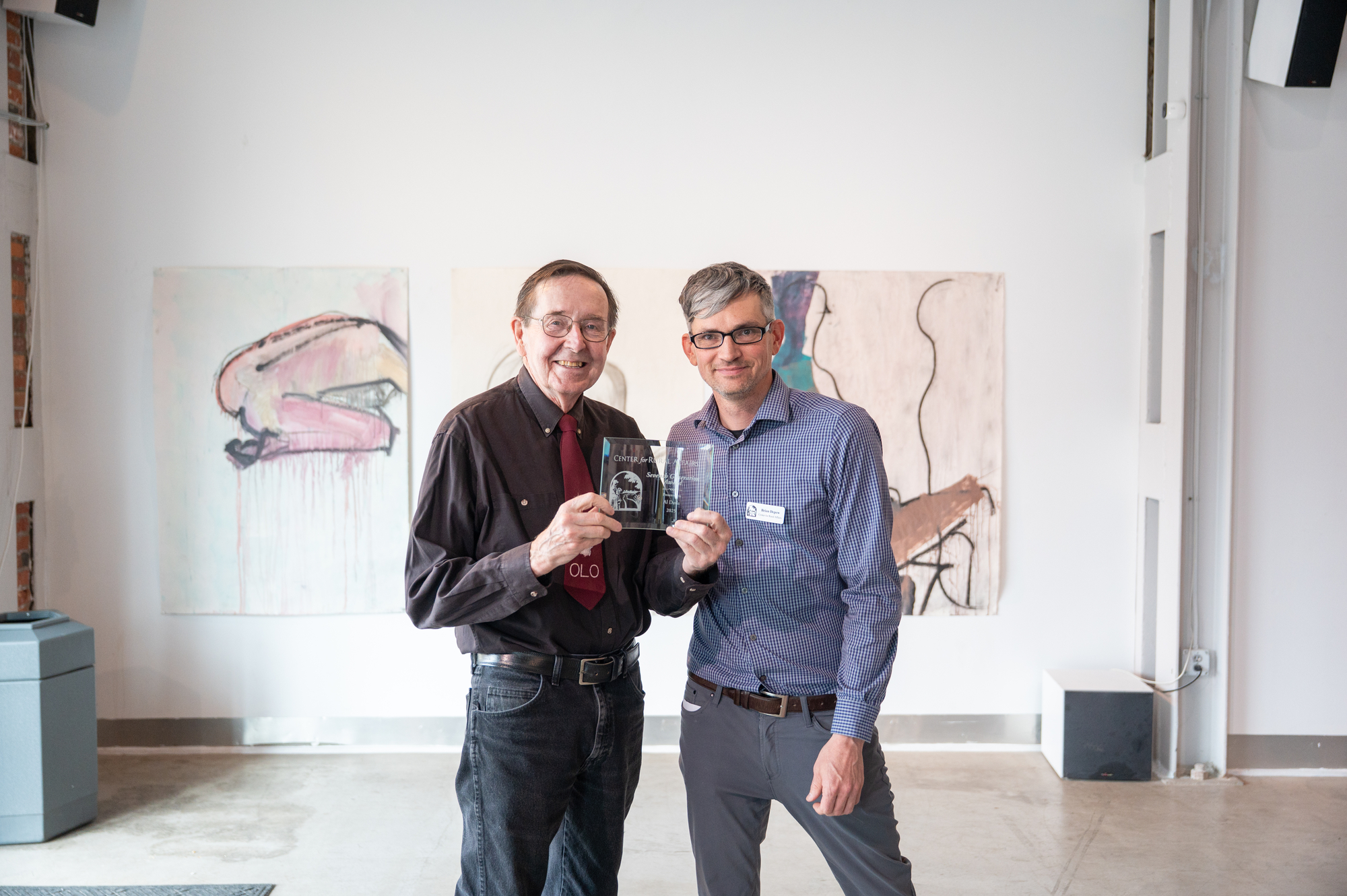
For this reason, he was presented the Center’s 2025 Seventh Generation Award in Lincoln on May 20.
“I’m extremely honored and humbled by this, because the Center has done such great things over the 50 years it’s been in existence,” Al said. “I hope to be around for many more years and see the Center go forward to do greater things than it has already.”
Approaching 150 years in Nebraska
Al comes from a ranching family who homesteaded OLO Ranch in 1888. His grandfather arrived in Nebraska in 1873, living in Red Willow County, then migrating to the Hyannis area in 1888.
“My family started out there in the Sandhills like so many people did, in the sodhouse, and made success, and they contributed back to the state of Nebraska in every way they could,” Al said. “That’s what we all do and that’s what makes Nebraska the great thing that it is.”
Al’s grandfather was in his 50s when he married and unfortunately died within two years leaving a child (Al’s father) behind.
“My grandmother was an incredible, dynamic woman,” Al said. “Everyone said she’ll never survive on that ranch, but she did.”
In 1919, his grandmother decided to lease the ranch and move to Denver. Then, the Depression occurred and the people who leased the ranch couldn’t pay for it anymore.
“So, all of a sudden here she is, 60 years old, and she has to come back and run the ranch,” Al said. “My dad was in school. They were just brilliant people and very community-minded.”
Al touted that his “amazing” grandmother received the Master Farmer Award in 1940, the second woman to ever be a recipient. Additionally, she was head of the Production Credit Association and was involved in electrification.
When Al was 21, his father died, and Al was unsure what he was going to do.
“I drifted around and took a lot of detours,” he said. “Ultimately, I came back to the ranch and I was always interested in the arts. We got a community theater started and then we also started an arts council there.”
Al ran the community theater for 20 years, meeting his wife along the way.
“She had come down [from Lincoln] to see her brother in a play,” he said. “I was 37 years old at this point. We just seemed to hit it off.”
Al and Dottie were married a few years later, in 1992.
“My wife was the catalyst for so many things in my life,” he said. “She was such a wonderful person, so intelligent and funny and creative.”
She and Al hosted a number of performers at the ranch who performed for their rural community. Through the years, she assisted with the guests, and took part in calving and taking care of the animals.
They expanded the ranch and spent several years in Hyannis, but after some time, they found all their friends were moving away from the area. Dottie said she wanted to spend more time in Lincoln, so Al said he’d run for Legislature and see what happens.
He was elected in 2013 and he and his wife were able to spend that time in Lincoln. Dottie passed away in 2022.
“I’ve stayed here [in Lincoln] because, as much as I love my ranch and it's a beautiful place, I need to be a person who’s engaged,” Al said.
Spending time in the Unicameral
Al served in the Nebraska legislature from 2013 to 2017. During his time in the Unicameral, he worked to lower property taxes, especially as they impacted farmers and ranchers.
“Everyone in rural Nebraska is going to run on property taxes, but it’s a legitimate concern,” he said. “I just looked at my little town and was like, ‘Well, I don’t know what’s going to happen to this town.’”
He said Hyannis had a population of 400 when Al graduated high school, and at the time of his legislative run, there were only 150 people.
“Even though it has a high school, it has a grade school, and it has the county seat, it’s still fading,” Al said. “It’s not the only community fading. Chadron’s fading. Alliance is fading. Ainsworth is fading. If you look at the state of Nebraska, we’ve got a lot of old people here.”
Despite challenges rural areas face, Al chooses not to let his optimism fade. He renews his commitment to rural people and places daily with his spark for creative problem solving and collaboration.
Working with the Center
Al learned about the Center in 1974, after listening to a radio interview by a staff member. He remembered agreeing with the staff member who spoke about the beef crash, and wanting to learn more about the Center.
Since, he has been involved with multiple Center programs, notably collaborating on work to strengthen competition in the meat packing industry to ensure fair markets for family farmers and ranchers.
“Al has been a consistent champion for rural people over many decades, working to strengthen competitive markets, create new opportunities in renewable energy, and conserve our natural resources,” said Chuck Hassebrook, who served as executive director of the Center from 1996 to 2013. “He is a genuinely kind and decent person.”
Al got even more involved with the organization's work while serving in the legislature. He said Center staff brought a lot of bills to his attention.
“They were supportive of the issues we were behind,” Al said. “I think all of us are concerned about ag, but we’re concerned about the consolidation of ag and the depletion of population. That was one of my tenants as a candidate was to try to stem the loss of population in rural Nebraska.”
Currently, Al is a participant in the weekly state clean energy table meeting that the Center hosts, and is a strong early supporter of the Center’s solar lending efforts.
“I’m a believer in climate change as a factor that we contribute to; I think there’s absolutely no question that’s the case,” he said. “We have to address it and it’s essential that we do so.”
When the Center was designing its solar lending program in 2023, Al offered a letter of support through his role as a lobbyist with the Nebraska Chapter of the Sierra Club.
“Nebraska just sits here on the epicenter of this great wind potential and incredible solar potential,” he said. “We have this public power structure which I think can really play into us being a huge exporter of energy. It really goes back right to the farm and gives people another source of income.”
Al said, even through all the setbacks, organizations like the Center have made progress.
“So, don’t give up, keep working,” he said. “Stay committed.”
Coming together to support rural life
Through the years, Al has helped move the needle on celebrating and resourcing rural Nebraska.
He was a founding member of the Independent Cattlemen of Nebraska, a group dedicated to restoring fairness to the marketing of beef.
He is a board member of Wachiska Audubon and a member of the Lincoln Continental Barbershop group.
“You know, we really need an entity like the Center in this country,” Al said. “It’s just a really necessary thing. Yeah, I think it is unique. I don’t know of another entity like this.”
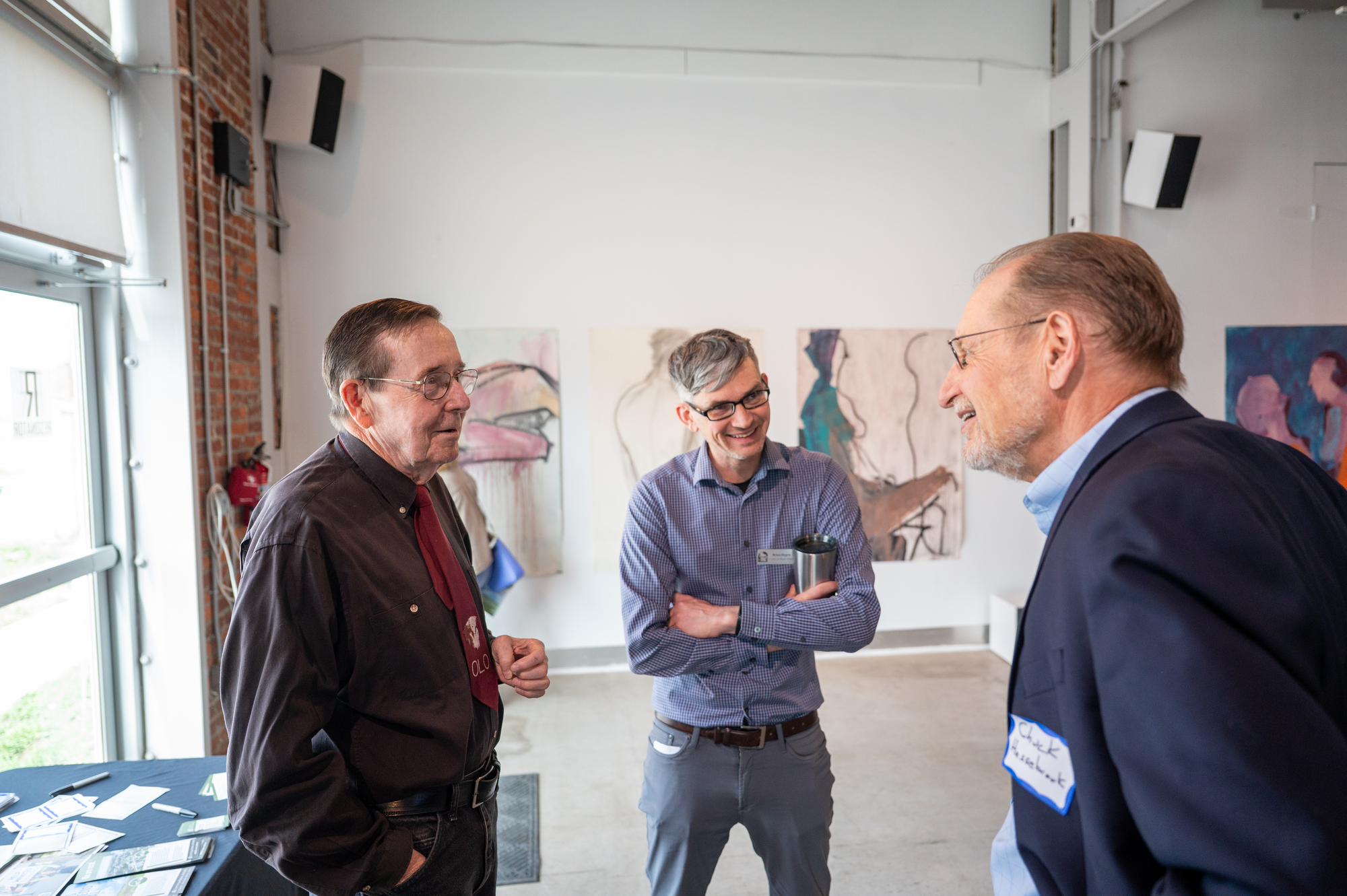
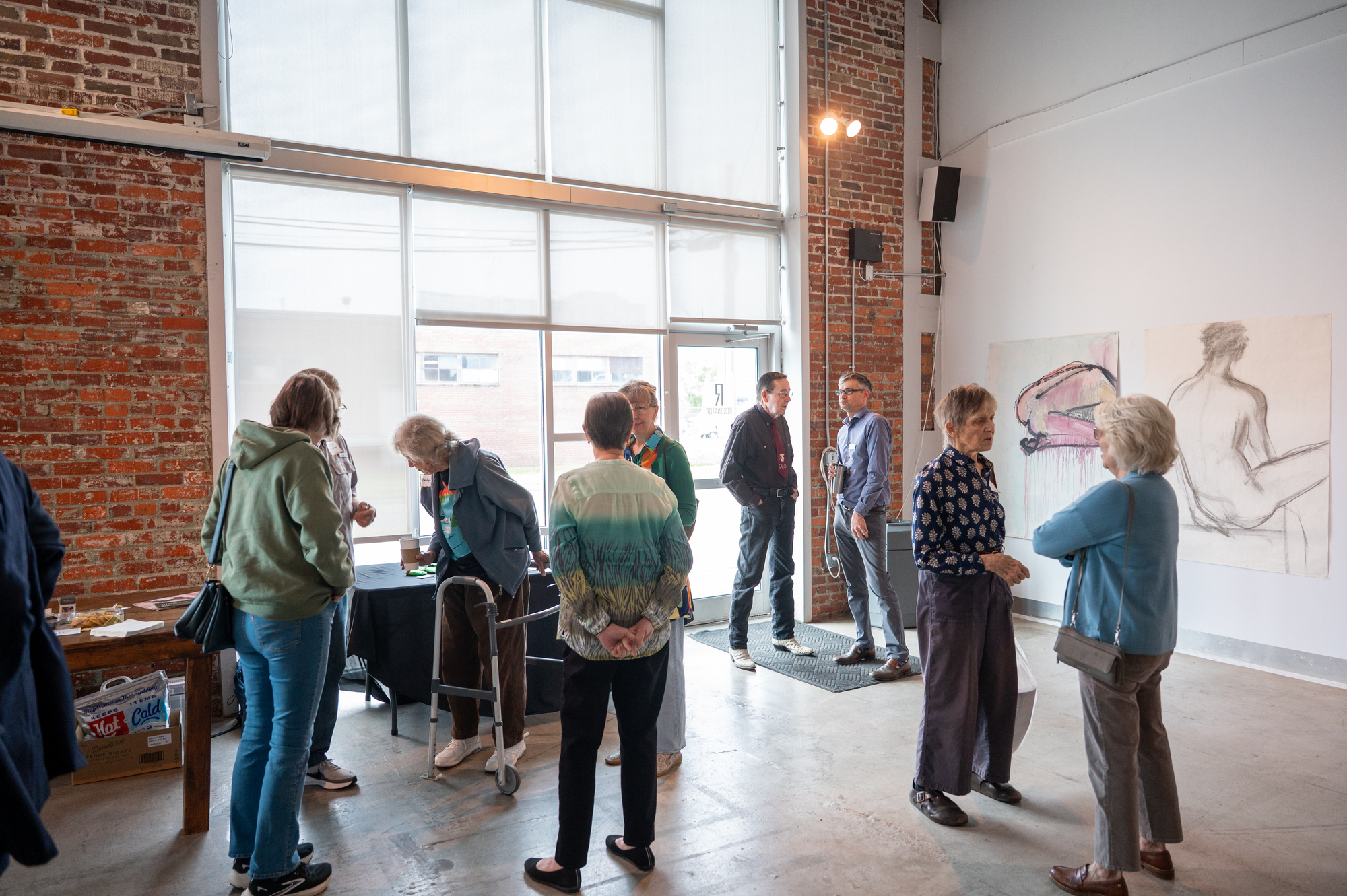
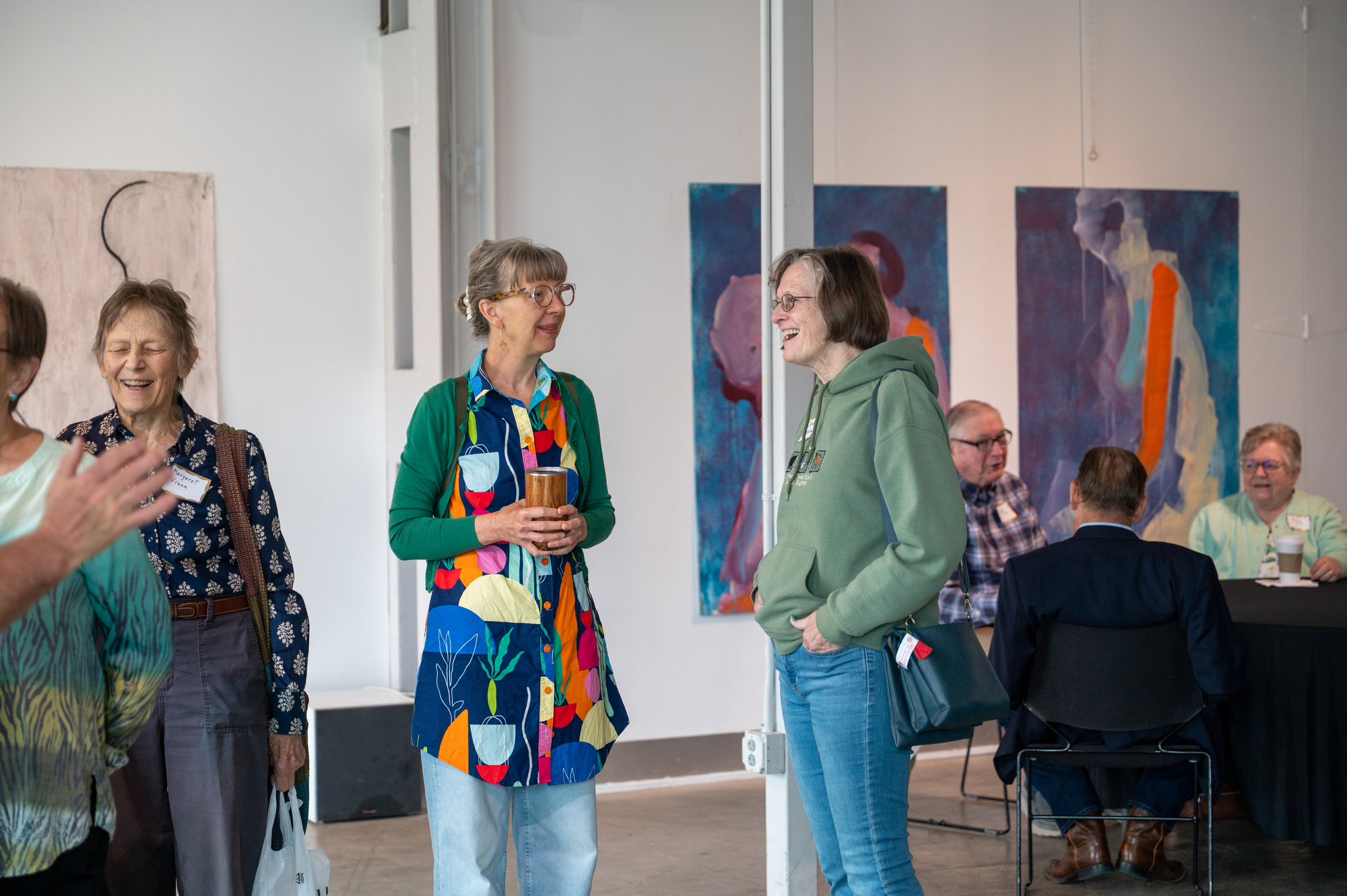
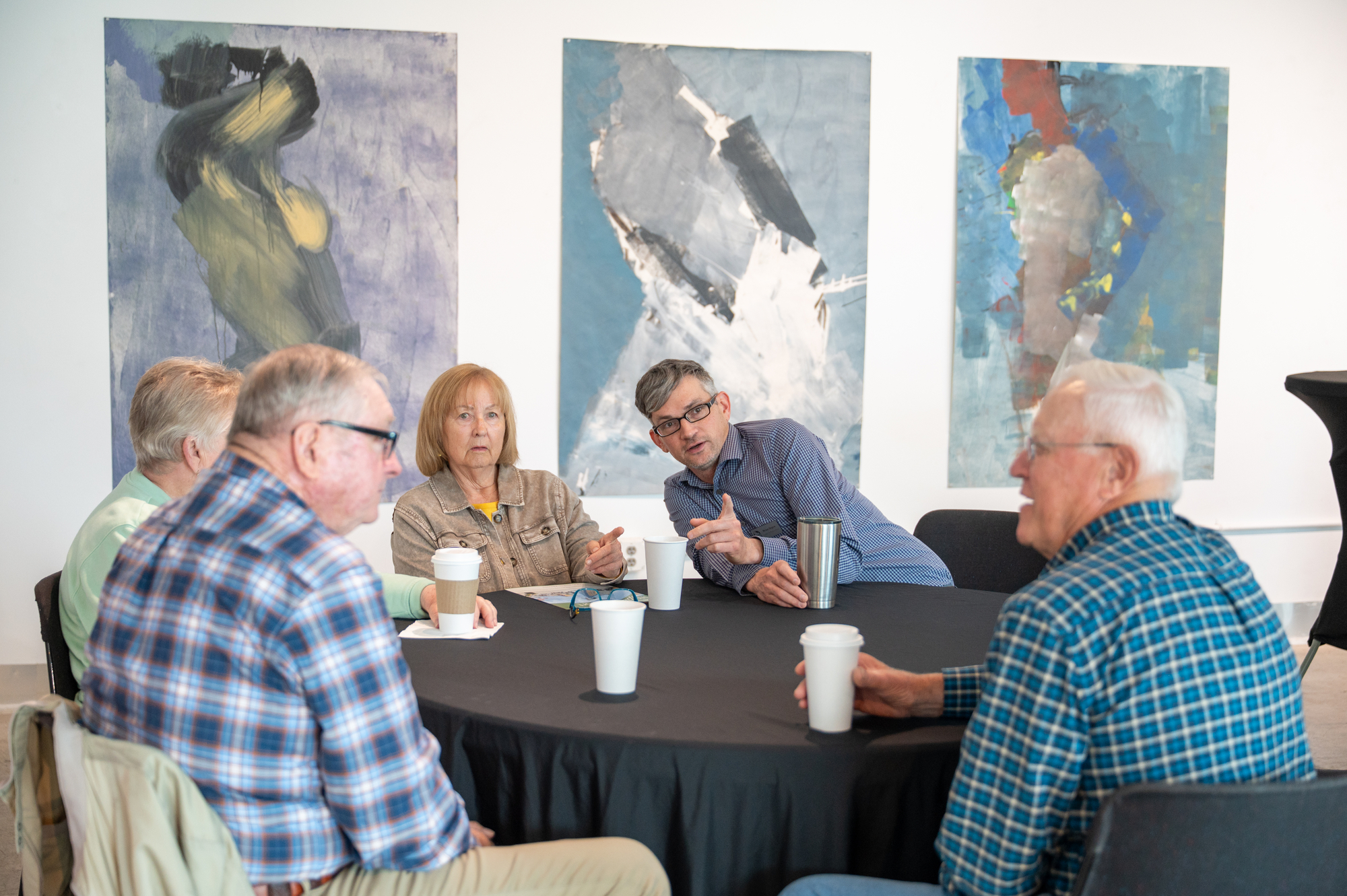
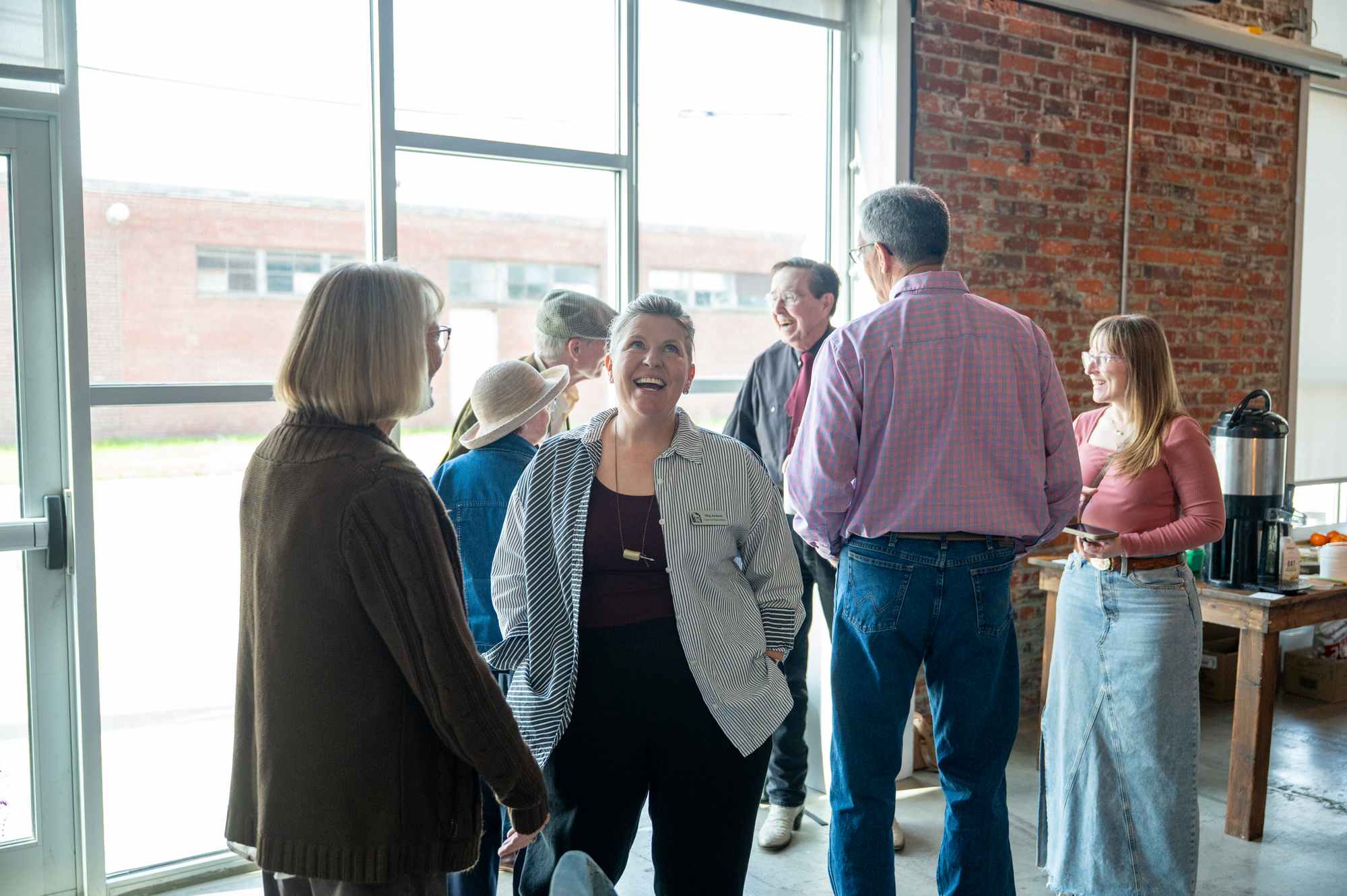
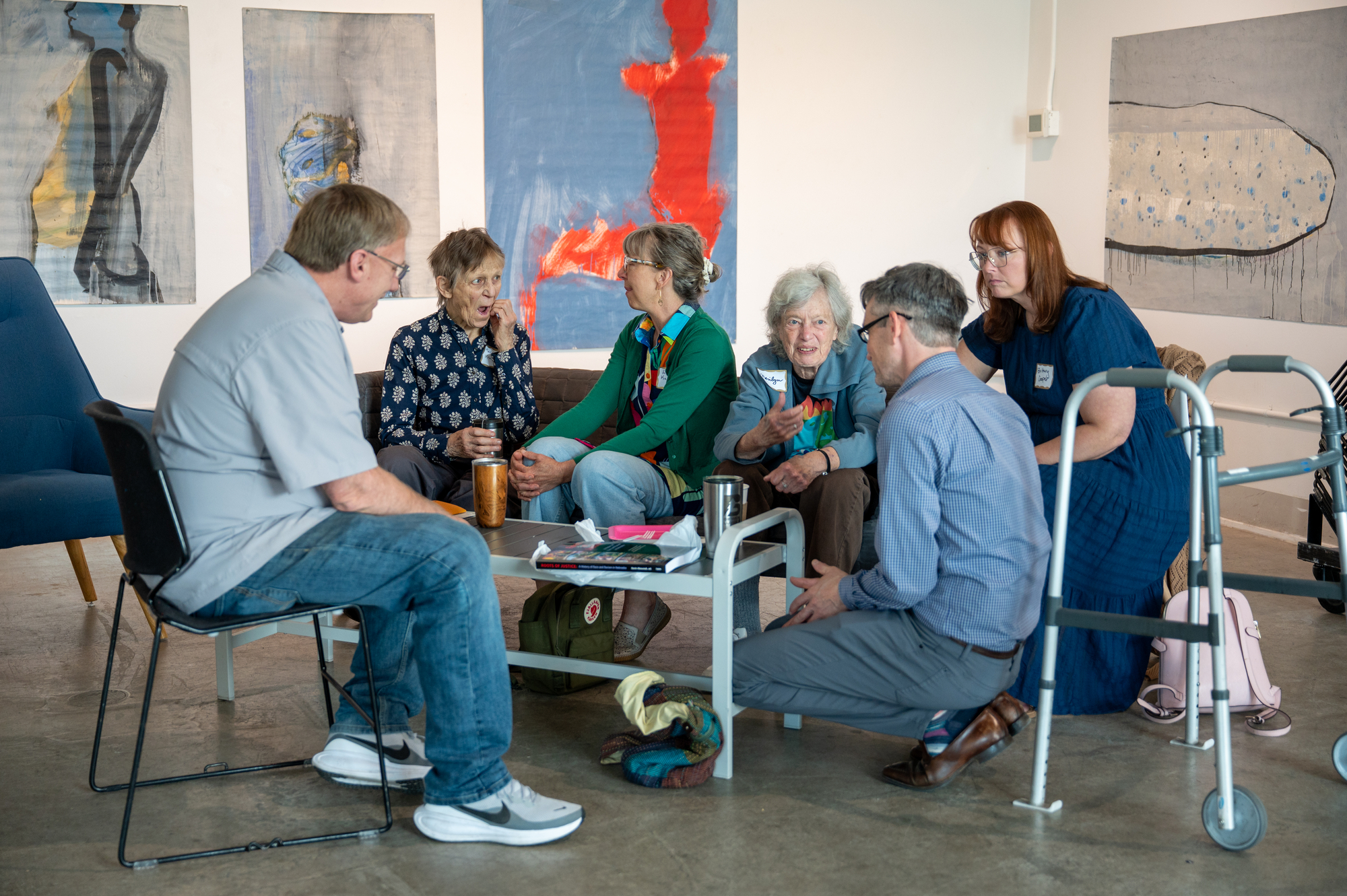
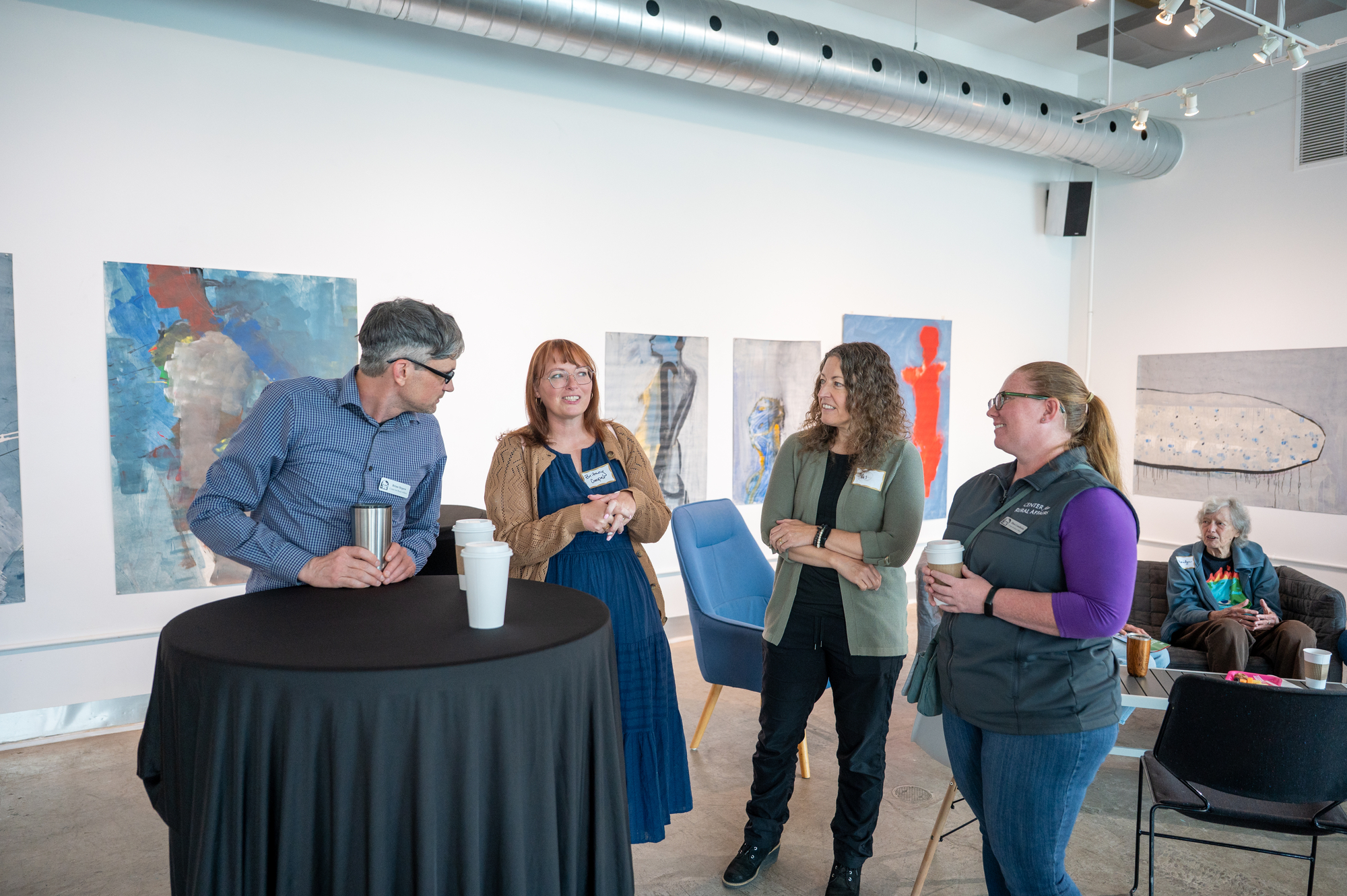
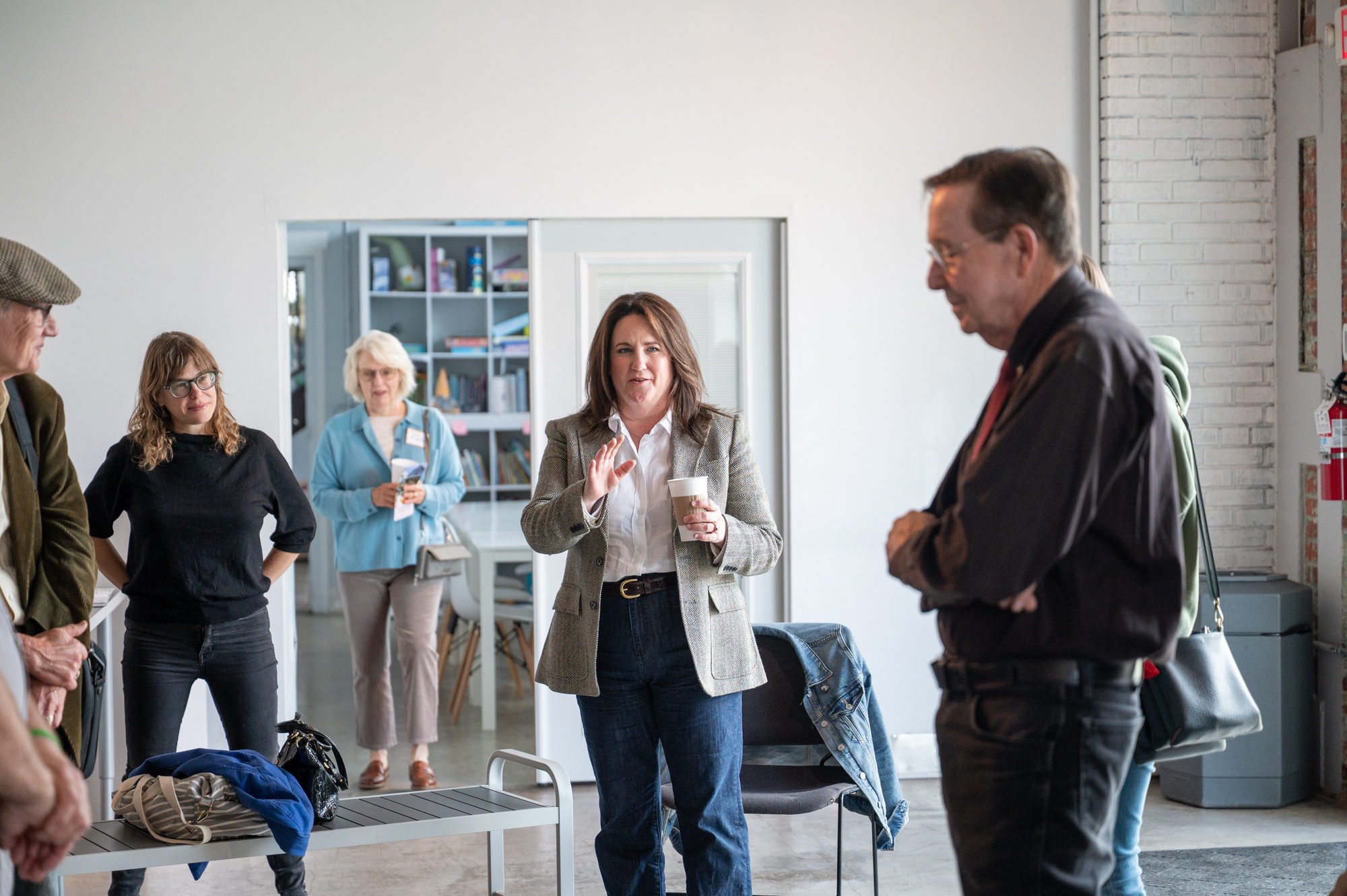
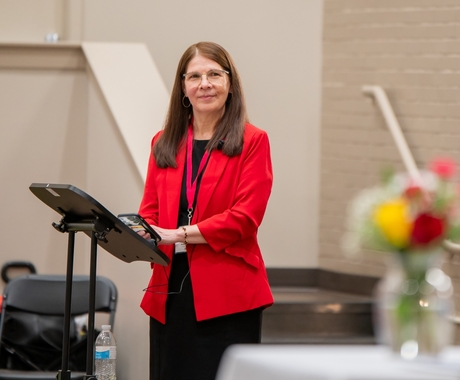
Al was presented the Seventh Generation Award on May 20, 2026, at a reception in Lincoln. Several longtime Center supporters were in attendance and speakers included current Executive Director Brian Depew, former Executive Director Chuck Hassebrook, and former staff member Traci Bruckner.
“It was just a real honor to be here among so many friends and so many people that believe in the same things we all believe in,” Al said. “Onward and upward!”
Erin Schoenberg and Liz Stewart contributed to this story.
Photos from the award reception
Click to enlarge.