
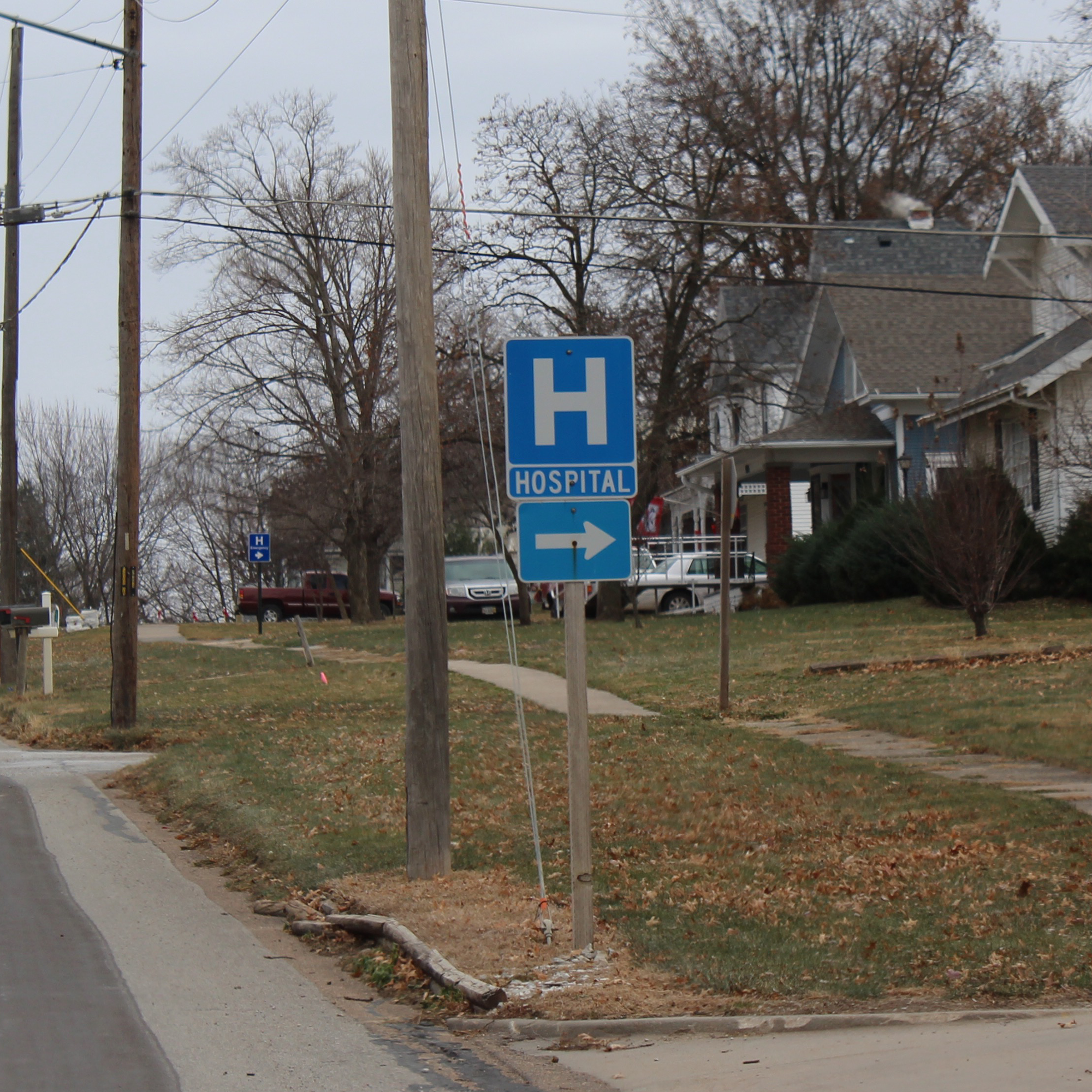
Individuals and health care providers face major challenges from a trio of policies set in motion by the One Big Beautiful Bill Act (OBBBA) and Congress’s failure thus far to extend expiring Affordable Care Act (ACA) subsidies. Without significant state and federal intervention, the country faces a growing crisis that could lead to rising numbers of uninsured Americans and the closure of numerous rural hospitals and health facilities.
Expiring subsidies and skyrocketing premiums will result in more uninsured Americans
Many Americans are grappling with rising health insurance premiums for health coverage through the ACA’s Marketplace. Because Congress allowed ACA enhanced premium tax credits (subsidies) to expire at the end of 2025, costs are expected to more than double. Currently, over 90% of ACA enrollees, or more than 22 million people, receive the subsidy.
According to the National Rural Health Association, 35% of rural workers are not offered health insurance by their employer, as rural people are more likely to be self-employed or work for small employers. As of August 2025, 2.8 million rural residents were enrolled in Marketplace health plans, with 80% receiving a zero-premium plan as a result of the subsidies.
With enhanced subsidies gone and premiums rising steeply, many people will likely forgo purchasing health insurance altogether. Reduced enrollment will create additional strain on medical facilities to provide care that may not be compensated, worsening the financial struggles many rural hospitals and clinics already face.
Cuts to Medicaid and SNAP threaten individuals, hospitals, and local economies
The OBBBA legislation signed into law in July 2025 ushered in major reforms set to cut $911 billion in Medicaid spending over the next decade. Medicaid provides health coverage for low-income, pregnant, elderly, or disabled Americans, with more than 20% of the U.S. population, nearly 70 million people, enrolled in the program.
Rural areas have higher rates of Medicaid enrollment than urban areas, with 1 in 4 rural residents relying on the program, making it a critical source of funding helping keep rural hospitals open.
Analysis demonstrates that Nebraska alone is forecasted to lose up to $4 billion in Medicaid funds with 30,000 residents losing health coverage, a devastating blow to individuals, families, and health care providers. Neighboring states Iowa and South Dakota are expected to lose up to $12 billion and $1 billion, respectively.
The Supplemental Nutrition Assistance Program (SNAP) is another crucial program that helps safeguard health by ensuring low-income individuals and families have access to food. SNAP was unfortunately also on the OBBBA chopping block, receiving marked cuts with the passage of the law. Once changes are fully enacted, the Congressional Budget Office anticipates that 4 million people, including families with children, older adults, people with disabilities, and veterans, will see SNAP benefits significantly cut or eliminated, having a significant multiplier effect on local food systems and families’ spending power.
Rural health transformation misses the mark
Rural areas already face higher uninsurance and underinsurance rates than their urban counterparts, and rural hospitals disproportionately depend on Medicaid, Medicare, and Marketplace for payment reimbursements. If residents lose these coverages and do not secure other health insurance, the rising costs of uncompensated care will lead to hospital and care facilities closures.
In a letter to Congress in June 2025, the National Rural Health Association noted that, since 2010, 193 rural hospitals have shut their doors or stopped inpatient services, and almost half of all rural hospitals are operating at a loss. Indeed, shortly after passage of OBBBA, Nebraska’s Curtis Medical Center announced it would close due anticipated federal budget cuts to Medicaid.
A 2025 report by the Chartis Center for Rural Health cited that nationwide 432 rural hospitals are vulnerable to closure, including at least 21% of Nebraska’s rural hospitals and 46% of those in nearby Kansas.
Congress attempted to address the crisis they knew Medicaid cuts would create for rural hospitals by including a provision in OBBBA for a $50 billion Rural Health Transformation Fund (RHTF) to be allocated to states over five years. However, the legislation passed without a requirement to use the funds for rural hospitals. Instead, states are required to use funds for five strategic goals: health innovations, access to providers, workforce development, innovative care, and tech innovation.
When the RHTF Notice of Funding Opportunity was released last fall, it included a condition that states can only use 15% of the funding for health provider payments, including payments to rural hospitals.
With anticipated cuts in Medicaid funds at $911 billion over 10 years, the RHTF will not even begin to cover the deep shortfall facing health providers.
Access to health care is required for a healthy rural America
In order to have thriving rural communities, the people who live there must have equitable, affordable, and reliable access to health care. Research has shown that in comparison to their urban counterparts, people in rural communities have less access to health care, are more likely to be uninsured, and are less affluent, older, and less healthy. These figures demonstrate the vital importance of health care access programs like Medicaid and the Marketplace in rural America.
As the OBBBA policies are rolled out over the next few years, states will be forced to grapple with the fallout. At the very least, decision makers must endeavor to limit harms by implementing changes in ways that mitigate burdens and limit unnecessary loss of coverage or benefits. Efforts should include providing extensive public outreach and education on any new conditions for coverage, such as work requirements or documentation, and ensuring sensible exemptions for individuals with extreme hardships.
Right now, it is vital that rural residents ask Congress to act to protect rural health care. There are bipartisan efforts in the Senate and House to revive ACA subsidies. Yesterday, backed by 17 Republicans including Rep. Zach Nunn of Iowa, the House passed legislation that would extend the ACA subsidies for three years if enacted. Additionally, several bills have been introduced to restore funding for Medicaid and SNAP.
Creating a healthy rural America requires ensuring that every resident has the access they need to resources that support their health and well-being. It’s more important than ever to hold our leaders accountable and speak up about the realities of how these cuts directly impact our families and neighbors. By working together, we can continue to build a future where rural communities are healthy, strong, and resilient.