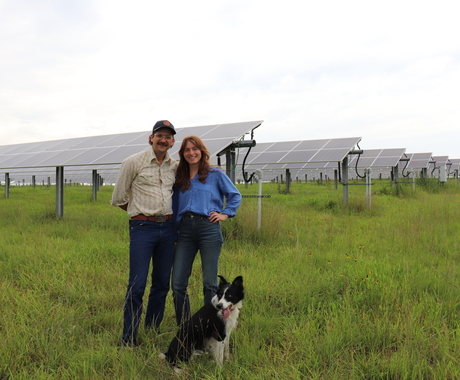
In the rolling semi-arid Sandhills of Custer County, Nebraska, conservation is not so much a buzzword as it is a survival strategy.
For Clay Govier, a fifth-generation farmer managing 3,500 acres of irrigated corn, soybeans, and cereal rye, the health of his soil dictates his future. Over the years, his operation has leaned into soil-building practices: transitioning to no-till farming, experimenting with skip-row cover cropping, and substituting commercial synthetic fertilizers with composted manure.
However, executing these practices cannot be taken on alone; producers need data to back up the hype and trusted guidance to bring changes to fruition.
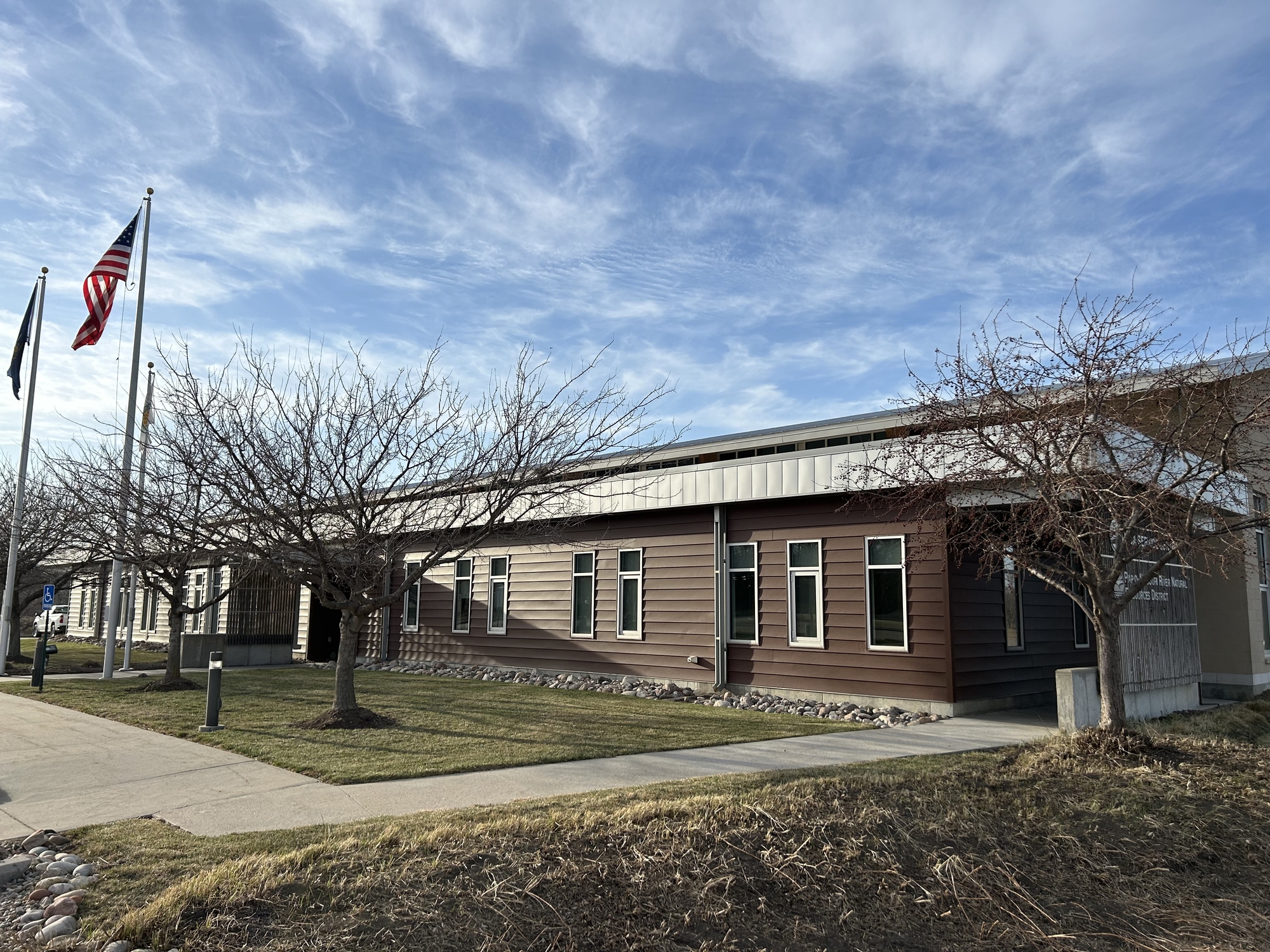
Producers like Clay rely on the local offices of the U.S. Department of Agriculture (USDA), specifically the Natural Resources Conservation Service (NRCS), to help navigate these complex transitions.
Today, the roles that maintain this vital support structure are at risk, threatening to create a gap that risks both the financial viability of producers and the ecological footprint of American agriculture.
Why USDA staff is important
Federal conservation programs are notoriously complex, described by Clay as a "foreign animal" compared to straightforward transactions with equipment or seed vendors. Enrolling in a three-to-five-year federal contract requires extensive data logging, compliance reporting, and strict implementation guidelines.
"You can have all the funding and all the practices in the world," Clay said. "But if you don't have the right staff to help implement it, it's never going to work."
When Clay’s primary NRCS point of contact, a capable mid-career professional, opted to take a federal buyout in the Department of Government Efficiency (commonly known as DOGE) cuts, their departure impacted the office's capacity. Clay said, to keep things moving, a regional manager has been pulling double duty, splitting his time and traveling 100 miles round-trip between offices to help handle operations.
This story is representative of a pattern of attrition across the state and nation, triggering bottleneck problems for producers. For many, the local NRCS office may be the only place they can go to talk through complex challenges without facing a commercial conflict of interest.
By the numbers
The data highlighting the contraction of federal agricultural support in Nebraska paints a picture of a system stretched thin. Nebraska currently ranks 8th highest in the nation for total NRCS position cuts, losing 89 positions statewide as total personnel plummeted from 407 to 318.
| Nebraska NRCS Staffing Metric | Current Data |
| Counties with zero NRCS staff | 17 counties (approximately 1 in 5) |
| Field offices shut down in 2026 | 2 offices (Sarpy and Gosper counties) |
| Counties with significant staffing (>5 staff) | Only 7 counties statewide |
| Median staff members per county | 2 staff members |
| Average statewide cuts | Loss of roughly 1 staff per county |
This operational support is projected to deteriorate even further. The USDA’s next fiscal budget is projected to cut approximately $700 million from NRCS technical assistance. This budgetary reduction will trigger an estimated 3,000 additional staff cuts across county and field offices nationwide, further stressing the system.
Clay notes that when a producer musters the courage to tackle the bureaucratic hurdles of an application to be met with a rejection or significant processing delays, they frequently give up on working with NRCS entirely.
The defunding of these services is hitting producers at a difficult time; compounding the pressures of an already stressed agricultural economy where producers need every resource available to stay profitable.
How you can help
To support producers and field offices in your community, consider the following advocacy actions:
Call or write to your senators and representative:
- Advocate that lawmakers include robust baseline personnel increases for permanent NRCS and FSA field staff within the upcoming federal farm bill framework.
- Advocate that Congress allocates at least $1 billion in dedicated Conservation Technical Assistance (CTA) funding for 2027. This level of CTA funding, similar to what was provided in 2022-2024, is essential for local offices to continue to hire, train, and retain the specialized professionals needed to guide producers through complex conservation challenges.
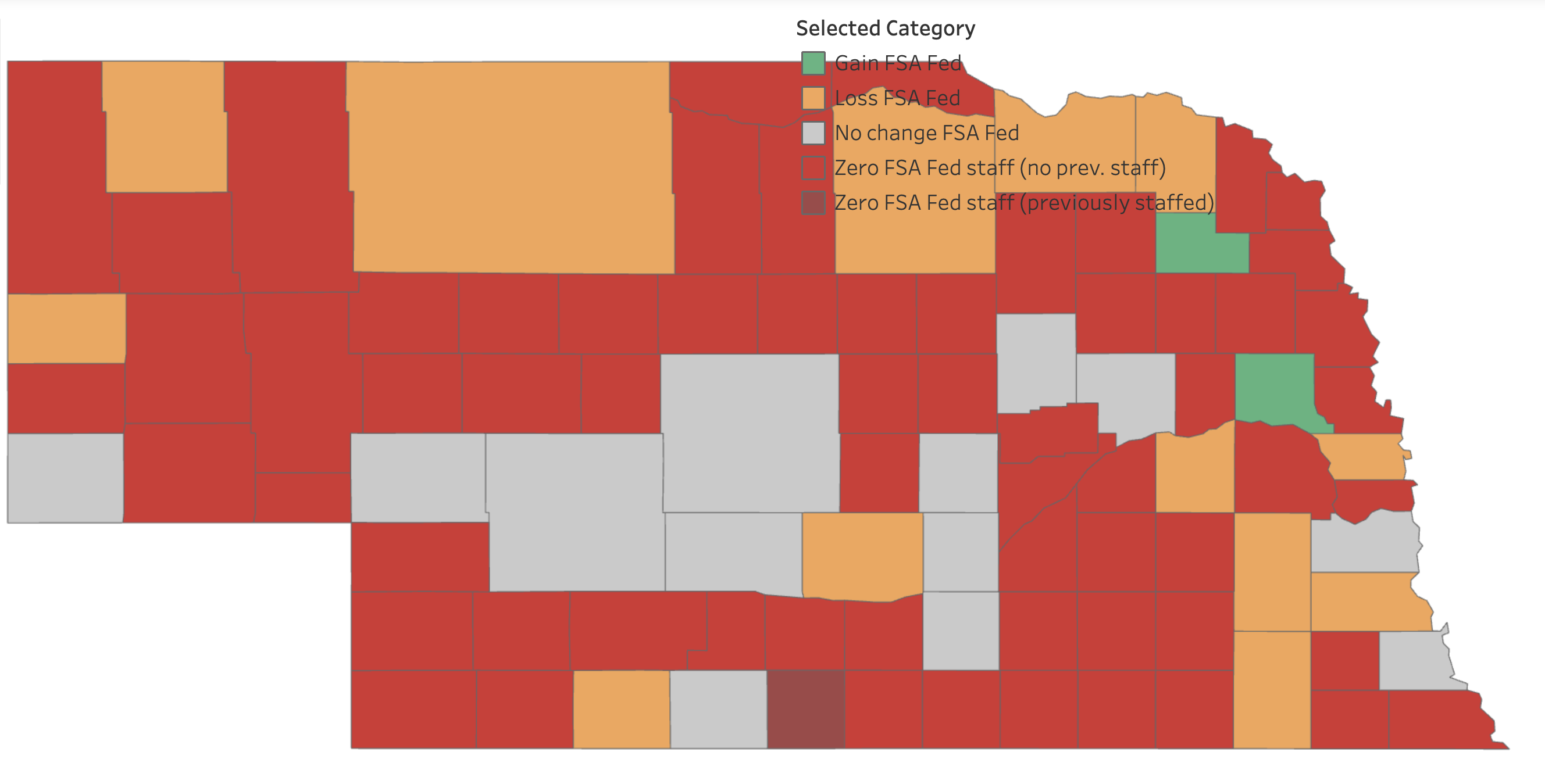
Editor’s note: Both the map and the table of information came from the National Sustainable Agriculture Coalition via the Office of Personnel Management. See the full map at: https://public.tableau.com/app/profile/nsac/viz/NRCSandFSAstaff/Dashboard1. Used with permission.