The Norfolk Farmers Market is said to have started when a few farmers backed up their pickups on the side of the road to sell produce to people passing by. More than 50 years later, the market is still running; growing and thriving in ways those first farmers couldn’t have imagined.
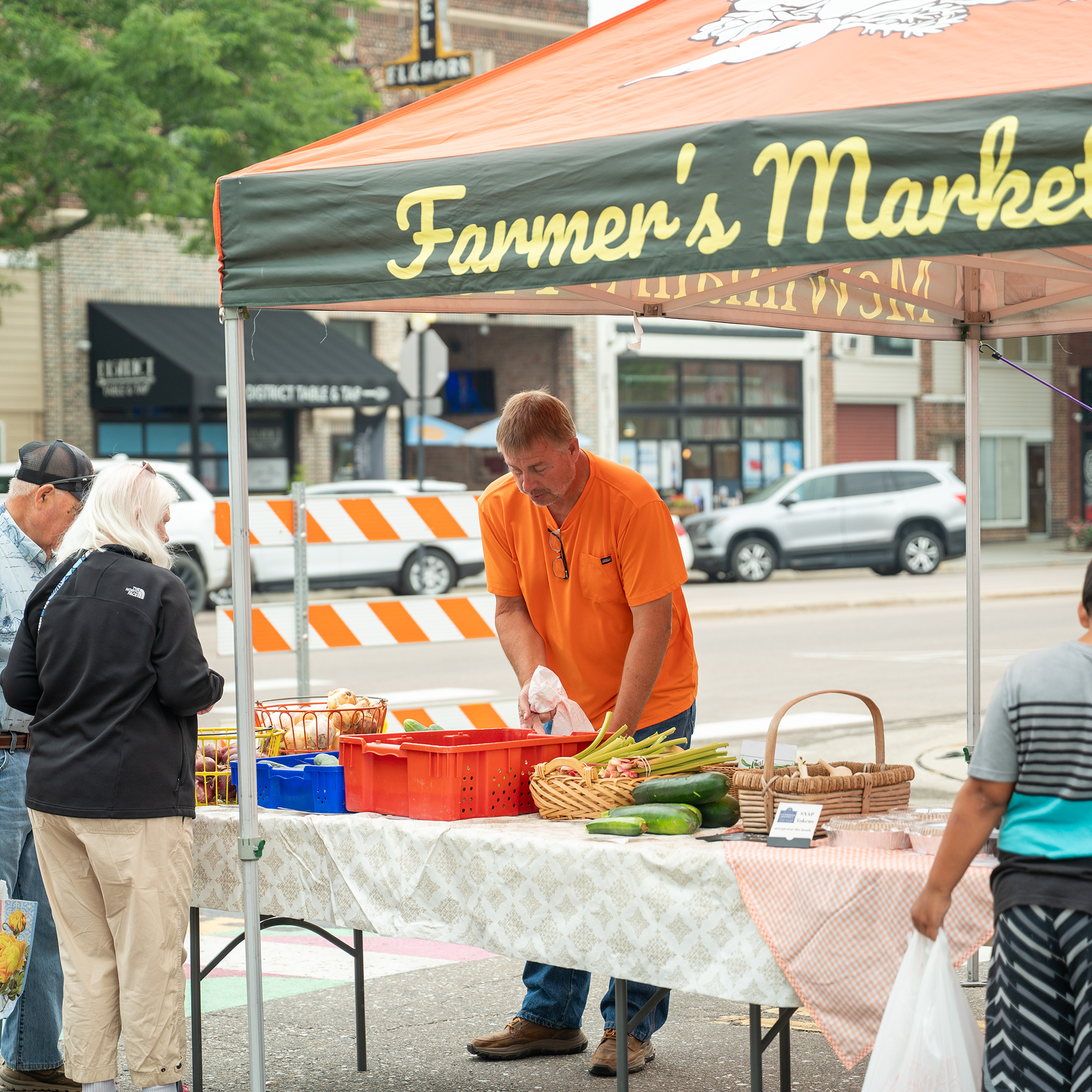
For the past six years, the market has been held in downtown Norfolk, Nebraska, in the heart of the River Point District. Local and regional vendors set up Tuesday evenings and Saturday mornings from spring to fall, offering the community handcrafted and homegrown goods.
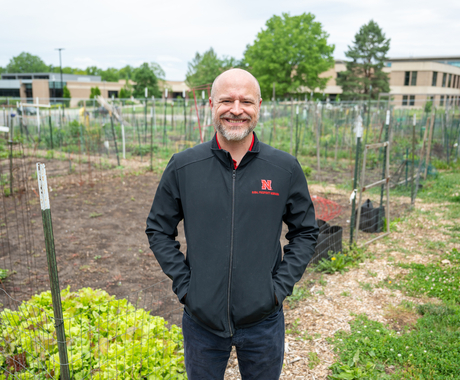
“The market was created to connect local growers and producers with their neighbors,” said David DeCarolis, market vice president. “It is great to have a rural farmers market in the center of town, which makes for easy access for most of our customers.”
Recently, the market became an official nonprofit organization, a transition that has not only provided stability and structure to the market, it’s also let the vendors take on a bigger role.
“The nonprofit status gives us legitimacy in the community and independence from outside influences,” said David. “We are still a baby nonprofit, but one of the surprising effects of becoming a nonprofit is that the vendors now have a voice in the development and operation of the market.”
One of the first steps the vendors took was to introduce David and other market leaders to the Center for Rural Affairs.
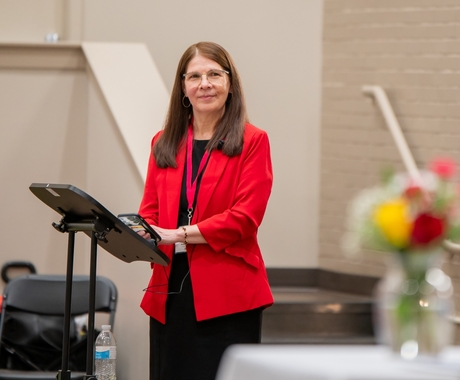
Angelyn Wang, local foods associate with the Center, has helped with vendor training and offered guidance this summer.
“When I visited, I felt an instant connection to the community and really enjoyed the wonderful variety of items available at the market, as well as seeing the kids of vendors lending a helping hand with on-the-go orders,” Angelyn said. “Norfolk has such a neighborly atmosphere in the downtown corridor, and it’s apparent the market draws in vendors and customers who appreciate local food and understand the importance of their community.”
Customers can find a full range of vegetables brought in by local growers. Producers also sell mushrooms, eggs, honey, beef, pork, lamb, apples, melons, and microgreens. Local makers sell handcrafted gift items.
Each vendor is in charge of their own methods of acceptable payment; common forms include cash, credit cards, Apple Pay, and Venmo. This year, the market started participating in the Supplemental Nutrition Assistance Program (SNAP), Double Up Food Bucks (DUFB), and Senior Farmers Market Nutrition Program (SFMNP) to help promote nutrition and fresh food access.
“As a market, we believe we have the ability to bring fresh, healthy food to everyone in our community,” David said. “SNAP and DUFB are essential tools to help make this happen. Usage of these programs grows from week to week. While we wish we were reaching more folks, we know that with consistent messaging the level of participation will continue to improve.”
Supporting vendors and customers has always been a top priority and a contributing factor to the market’s longevity and success.
“A market will live or die based on two things: the support of the community and the will of the vendors,” said David. “We also continue adding new vendors, which is essential to creating excitement and growth.”
Even for markets that are just starting out, David says including their vendors as much as possible is key to growth and prosperity.
“One piece of advice would be to give the vendors the chance to be involved in creating a successful market,” he said “This can be through committees, mentorship, or simply voting on the direction of the market. Also, be sure to reach out to your arts community; including local musicians and artists will take your market to the next level.”
In addition, Norfolk Farmers Market officers do everything they can to be inclusive.
“We feel that our vendors should represent the makeup of our entire community,” David said. “This type of representation helps to foster the next generation of producers. Also, having a diverse group of vendors creates a welcoming atmosphere for all of our neighbors. More customers lead to more revenue for our vendors; it just makes for good business.”
Local businesses benefit from the farmers market, as well. A domino effect of economic activity driven by the market includes sidewalk sales and busier restaurants.
Starting this year, the market donates a vendor booth each week to the Philanthropy Council of Northeast Nebraska and fills that space with local nonprofits to help them connect with market customers.
Market leaders have also formed partnerships with local organizations to help create a family-friendly atmosphere. The Norfolk Public Library hosts story time during the market. Norfolk's River Point Creative District organizes and funds local musicians to entertain during the market each week and arranges activities like rock painting and chalk art. Every month, the market holds scavenger hunts for children and uses treats from vendors as prizes.
Moving forward, organizers feel the best way they can accomplish their goals is through continued growth.
“Next year, we hope to change the culture of the market to be a truly vendor-driven organization,” David said. “We will also keep developing tools to support new and existing vendors and entrepreneurs. For me, watching the vendors continue to support each other, in actions big and small, has been amazing.”
The Norfolk Farmers Market is at Riverpoint Square, Third Street and Norfolk Avenue, in Norfolk, Nebraska. The market is open Saturdays from 9 a.m. to noon, May through October, and Tuesdays 4:30 to 6:30 p.m., June through September, weather permitting.
Funding for this blog was made possible by a grant from the U.S. Department of Agriculture (USDA) Agricultural Marketing Service. Its contents are solely the responsibility of the authors and do not necessarily represent the official views of the USDA.
To learn more about our work with farmers markets, visit cfra.org/farmersmarkets.