Across the U.S., rural grocery store owners are doing far more than stocking shelves. Running a grocery in a small town is more complex, and more essential, than it often appears.
When a rural grocery store struggles, the impact affects the entire community.
Here’s five lessons we learned from working alongside grocery stores:
1. Ownership models matter: In locally owned stores, owners constantly weigh what their community needs against what the business can sustain. That stands in contrast to corporate ownership models, where decisions may be made far from the community. Ownership isn’t just a business structure, it directly impacts responsiveness, risk tolerance, and long-term viability.
2. More than grocery stores: These stores are essential infrastructure. They are employers, gathering spaces, and access points for food.
3. Workforce is important: Hiring is difficult. Retention is harder. And flexibility is non-negotiable. Employees shift constantly between roles, running the register, stocking shelves, and managing deliveries. Even one staffing gap can disrupt the entire operation.
4. Price and distribution are challenges: Distribution shapes what rural grocery stores can offer and at what cost. Constraints can include delivery schedules, minimum order requirements, rising costs, and limited supplier options.
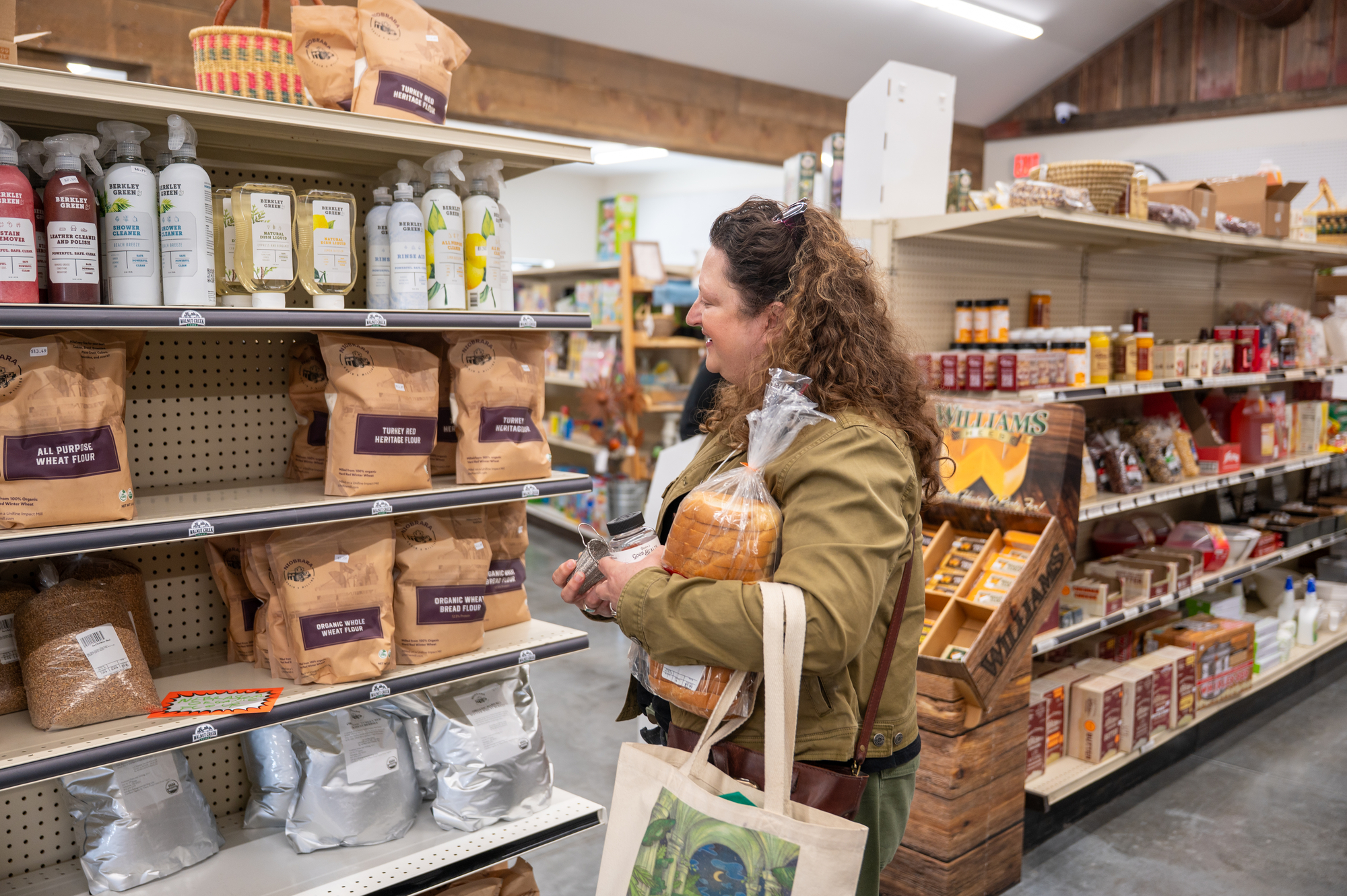
Stores are getting creative, sourcing products locally when they can. These efforts don’t replace larger distribution systems, but they do offer flexibility.
5. Trust is important: Community members have to weigh the reality of their own decisions. Price, convenience, and household budgets matter, but so does supporting local business owners.
Often the stores that make it have a deep connection to their communities, shown in the way customers greet owners, in the conversations at checkout, and in the sense of familiarity with the communities they serve.