By Kelsey Willardson, former staff member
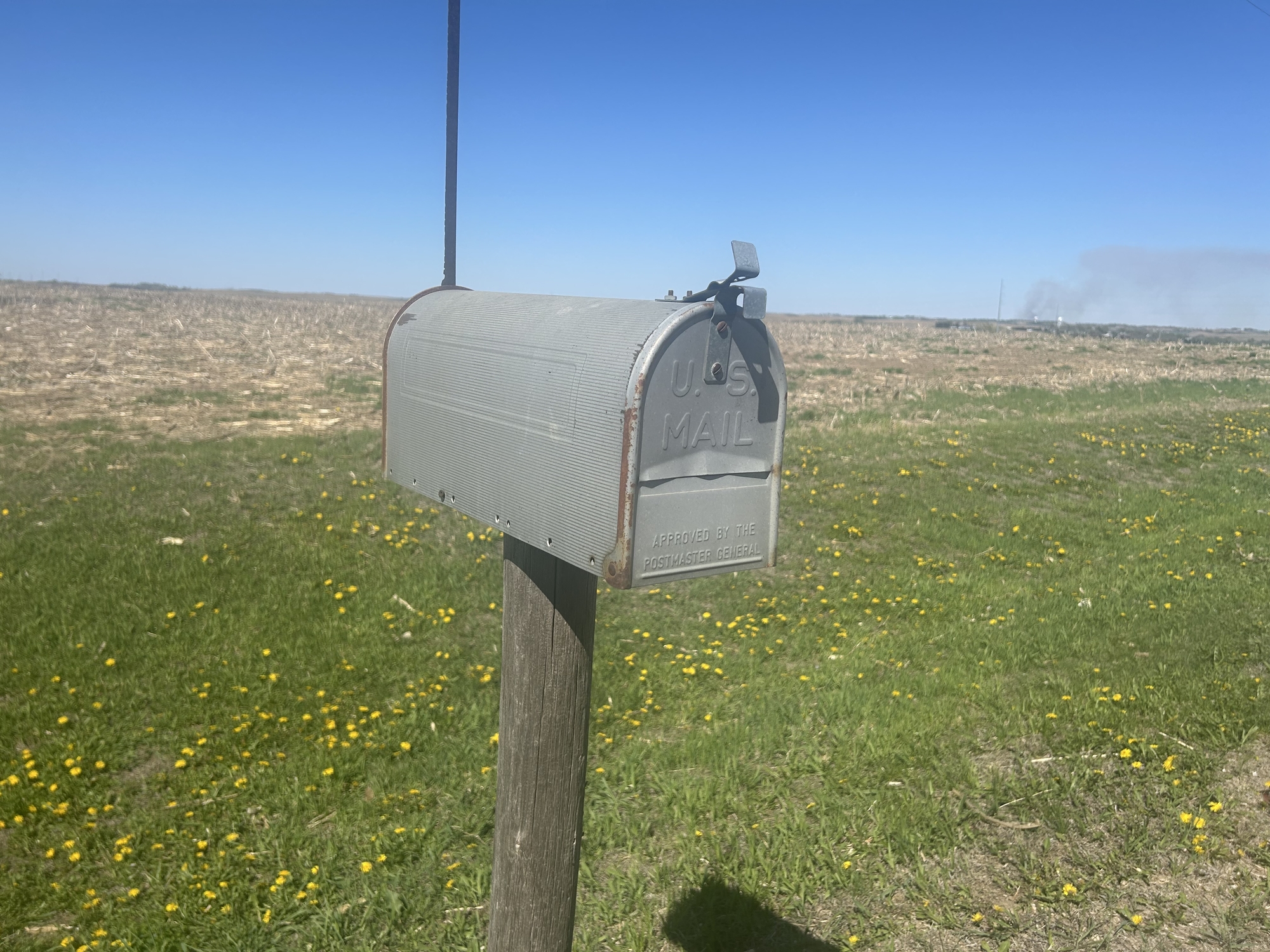
The U.S. Postal Service (USPS) is currently facing threats of privatization, which would jeopardize mail service to the 51 million people living in rural areas who might otherwise not have mail access.
The USPS provides a crucial function in rural areas, delivering goods like medications and medical equipment, online shopping orders, gifts, and mail-in ballots. It has a universal service obligation, set by Congress, which requires USPS to provide mail service to all areas in the U.S. Private shipping companies do not have the same responsibility.
The USPS has been an independent federal government agency since 1970. It financially functions on its own through the fees charged and receives little federal funding. Regardless of profitability, it provides service to all.
USPS offers fair and equal costs for its services and does not inflate prices based on the sender’s or recipient’s location. It has continued to navigate the financial losses that are common with service agencies, and with recent updates and changes, it has become increasingly financially stable.
In 2022, additional funding was provided to the USPS through the Inflation Reduction Act. The funds supported efforts to modernize and update many USPS locations and vehicles, which improved efficiency. As part of the same effort, the Biden administration also intended to offer a voluntary early retirement incentive to USPS employees in 2025.
However, USPS leadership has faced continued pressure to increase profits. This motivated additional changes that mimicked the setup of private shipping companies, including the creation of large regional hubs. This framework favors large cities and reduces service quality in rural areas and created controversy when it began to be implemented in the fall of 2024.
Furthermore, the Department of Government Efficiency (DOGE) became involved in March 2025 and announced that 10,000 employees would be cut from the USPS in April, with additional workforce cuts planned for July. In the same month, President Trump suggested the USPS be merged with the Department of Commerce, and DOGE leaders proposed privatization of the service.
Privatization of the USPS would eliminate the federal mandate that all areas in the country be served equally, threatening service to rural and remote areas. Postal costs will no longer be the same regardless of location, and those living farther from major cities and mail hubs will likely see a drastic increase in service costs or lose access completely.
The new administration’s proposals have resulted in strong backlash from organizations representing rural communities as well as from the four postal worker unions, leading to protests and demonstrations throughout the U.S. Two bipartisan bills have been introduced to support maintaining the USPS as a public service. Currently, House Resolution 70 has 187 cosponsors, and Senate Resolution 147 has seven cosponsors.
“With many remote communities only accessible by air or water, the USPS serves as an essential government agency that keeps postal services affordable,” said Sen. Dan Sullivan, bill cosponsor, in a National Association of Letter Carriers statement.
Mail access is essential to the well-being of our country; the postal service’s existence is enshrined in the U.S. Constitution. The USPS is a public good that serves everyone in the country.
“Any efforts to undermine the Postal Service’s independence or privatize it would jeopardize affordable, universal mail service and harm the millions of Americans—especially veterans, small business owners, and rural communities—who rely on the Postal Service every day,” said Sen. Gary Peters, another bill cosponsor.
Congressional opposition prevented privatization of the USPS during the first Trump administration. Both the House and Senate bills show there is once again bipartisan support to maintain the USPS as a public service.
Constituents interested in supporting the USPS should contact their federal legislators and encourage their support of these bills to protect mail service in rural areas.