Renewable energy development is growing rapidly in rural communities. According to the U.S. Department of Agriculture Economic Research Service, 70% of U.S. solar built from 2009 to 2020 was in rural areas. This expansion can seem like a big change, causing some to question how these projects benefit nearby residents. A number of solar and wind developers are working to make sure this growth means local involvement and value to communities, no matter the scale of the project.
Developers are using Community Benefits Agreements (CBAs) and other community benefits programs to engage positively with communities near new solar and wind farms. In many cases, these programs are structured to allow for ongoing community engagement and prioritization of use of funds throughout the life of the renewable energy project.
CBAs are typically more formal agreements between developers and resident groups and are often associated with larger solar and wind developments. Similarly, informal community programs are a more accessible option for smaller scale projects, allowing developers to implement locally-oriented programs with less paperwork. Both arrangements range in scope to include direct cash payments, local hiring requirements, and workforce training and apprenticeships. Examples of a variety of these programs can be found across Minnesota.
Regal Solar Project
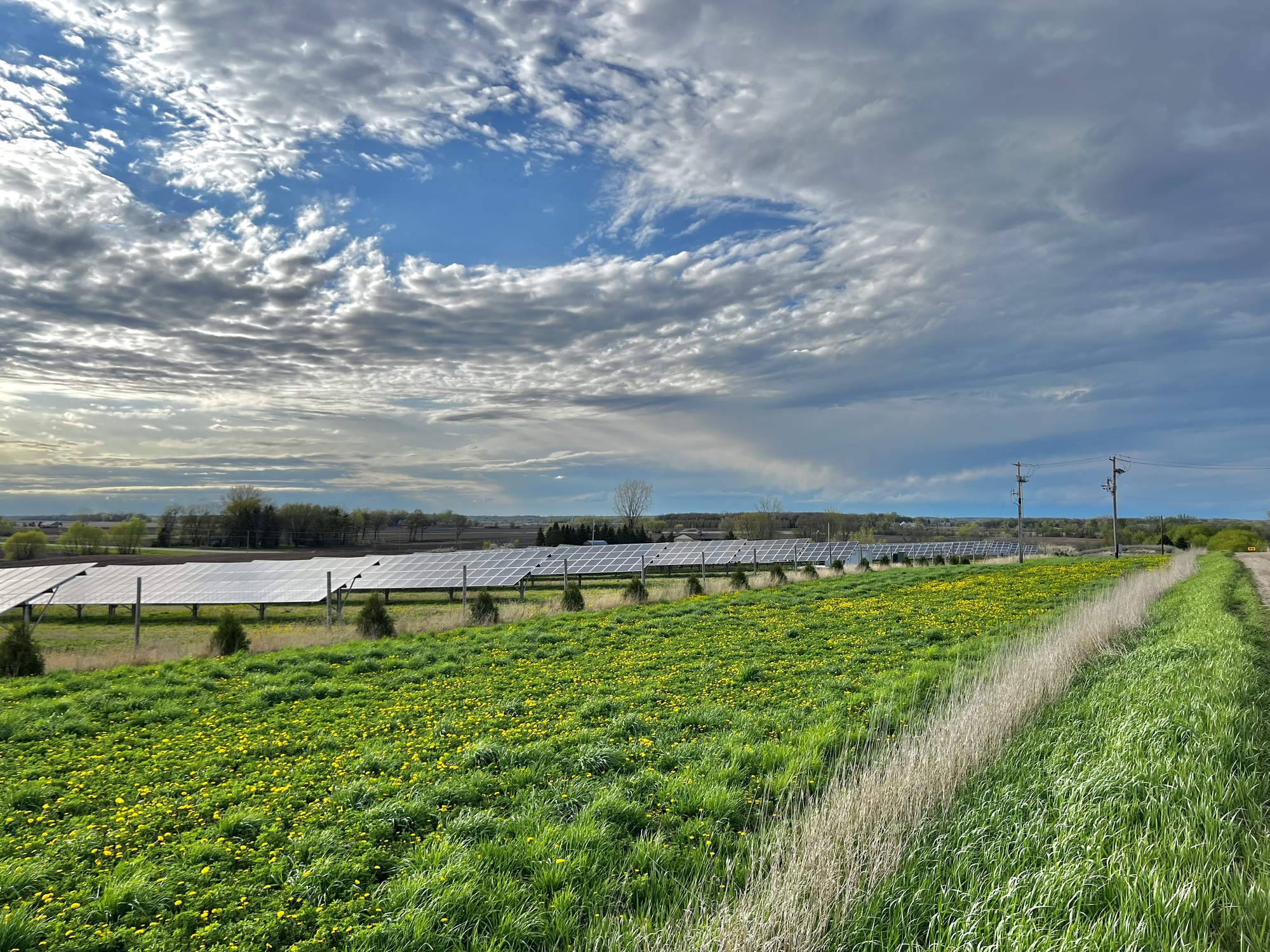
The approved $146 million, 100 MW Regal Solar Project in Benton County in east central Minnesota includes community benefits in its site permit. In addition to contributing $220,000 in production taxes annually, Regal Solar, LLC (a subsidiary of Geronimo Power) will make cash payments to the Royalton and Sauk Rapids-Rice school districts.
Once the project is operational, the Regal Education Fund will be established and contribute $20,000 per year to local schools for 20 years. These payments will cover the better part of the project’s expected 25 to 35 year lifespan. Informally, the project will also prioritize local hiring and establish apprenticeships to train the future renewable energy workforce.
Odell Wind Farm
Odell Wind Farm became operational in 2016 and is located across Cottonwood, Jackson, Martin, and Watonwan counties in southern Minnesota. With a 200 MW capacity, the 24,000 acre wind farm can power up to 90,000 homes annually. Its developer, Geronimo Power has over 2,000 MW in active projects with another 20,000 MW in the pipeline.
After investing approximately $320 million in project costs, Geronimo Power has also committed to payments to the surrounding community. The Odell Wind Farm Community Fund receives up to $40,000 annually to distribute to local projects. Thus far, funded local projects have included LEGO robotics kits for students, repairs for an outdoor concert venue, and more. These projects highlight the value of activating community benefits funds at a variety of scales.
Renewable energy projects can come in a variety of sizes to suit developer and local needs. Designing community benefits arrangements to match helps ensure that any project can provide extra value to the surrounding area.
Big Lake Agrivoltaics Project
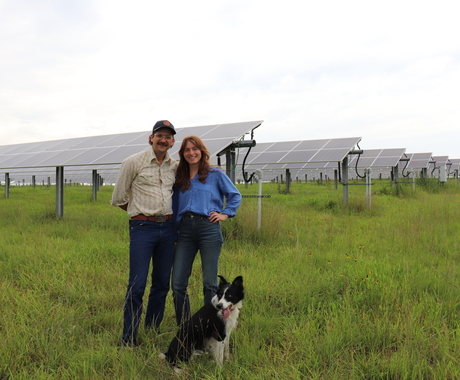
Community benefits are being successfully deployed with smaller renewables projects as well. At 1 MW and covering approximately 9 acres, the Big Lake Agrivoltaics Project is proving that small-scale solar can also include additional local advantages in a town of 12,000 people northwest of Minneapolis.
The project provides 10-year leases for emerging farmers, like immigrant and Native American farmers, allowing them to make long-term plans for the land. In addition, US Solar, the project’s developer and landowner, has turned to its tenants for recommendations on what more informal arrangements might encourage their success.
“Inherently we want the farmers to succeed,” said Peter Schmitt, director of project development with US Solar. “[It’s about] building a relationship and understanding what they need.”
After providing feedback, the farmers received a well and a new gate to improve on-site operations. US Solar will also donate two more structures later this year—a rinse and sort station and a solar and battery-powered refrigeration storage container. This plan may be less formal than a traditional CBA but it still provides tangible benefits to stakeholders.
Partnerships matter
A theme that stands out is the importance of partnership with communities. From Regal’s preference for local suppliers to an application process that welcomes everyone to participate in the Odell Wind Farm Community Fund, developers are trying to learn what residents want when building CBAs and community benefits programs. These programs can help them build long-term trust with residents and ensure that community voices are heard.