
Whether through training, networking, or coaching, the Center for Rural Affairs Women’s Business Center (WBC) provides services at no cost to all Nebraska entrepreneurs and small business owners to help start and grow successful businesses.
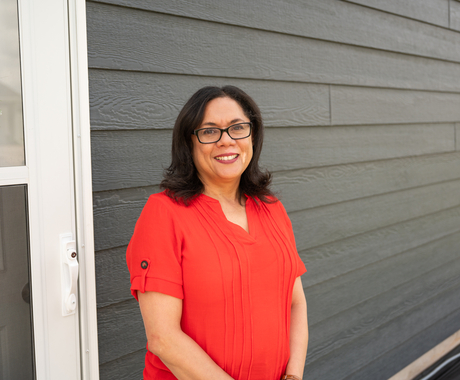
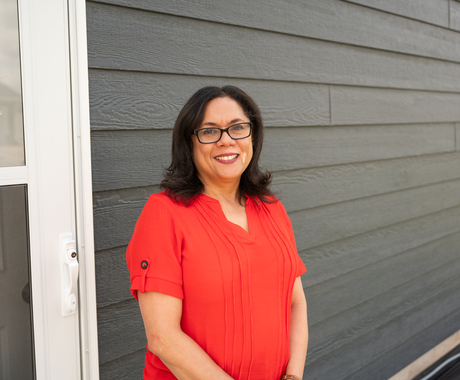
Recently, the Center’s WBC director, Jessica Campos, took part in the Association of Women’s Business Centers (AWBC) WBC of Excellence Program.
The six-month program was designed to recognize organizations that demonstrate commitment and efficacy of the mission, vision, and values of their WBC, and work to achieve the greatest outcomes for women-owned businesses.
“This was the second cohort brought in by the AWBC,” said Jessica. “I had heard of it last year when it was piloted but did not have the capacity to commit to a six-month program at that time. This year at the annual AWBC conference, we got to hear testimonials of WBCs that had completed the program, and I knew it was something I wanted to be a part of and have the Center's WBC be recognized at a national level.”
Members of the cohort went over and completed assignments covering customer experience, impact and evaluation, strategic plans and progress tracking, advocating for their WBC and clients, and created an excellence and improvement plan.
Jessica’s commitment to completing these steps has earned the Center’s WBC the designation of National Women’s Business Center of Excellence. Finishing the program also helped Jessica broaden her range as a WBC director and fueled her drive to move the WBC’s work forward.
“I was able to view the Center's WBC through an entrepreneur’s eyes, seeking advice, not knowing where or how to look for assistance or resources,” she said. “I reviewed the Center's WBC evaluation process and made a two-year improvement plan. This work will be accomplished by continuing to embrace the Center's WBC past work, collaborations, and new partnerships. I’ve started setting goals and new standards of quality to improve the program and better serve business owners no matter where they are in their business life cycle.”
The Center’s WBC offers training year-round across the state of Nebraska, covering topics ranging from QuickBooks and marketing to business startup and strategic planning. Jessica plans to use her newfound knowledge and experience to amplify the Center’s WBC work.
“For me, the best part of the program was working peer-to-peer, learning about other WBC programs and their challenges, and how they manage marketing, work plans, and reporting,” she said. “This all helped me understand ways we can improve and vice versa by showing other WBC directors ways they can bring more diverse work into their centers.”
To learn more about the Center’s WBC, visit cfra.org/womens-business-center.