
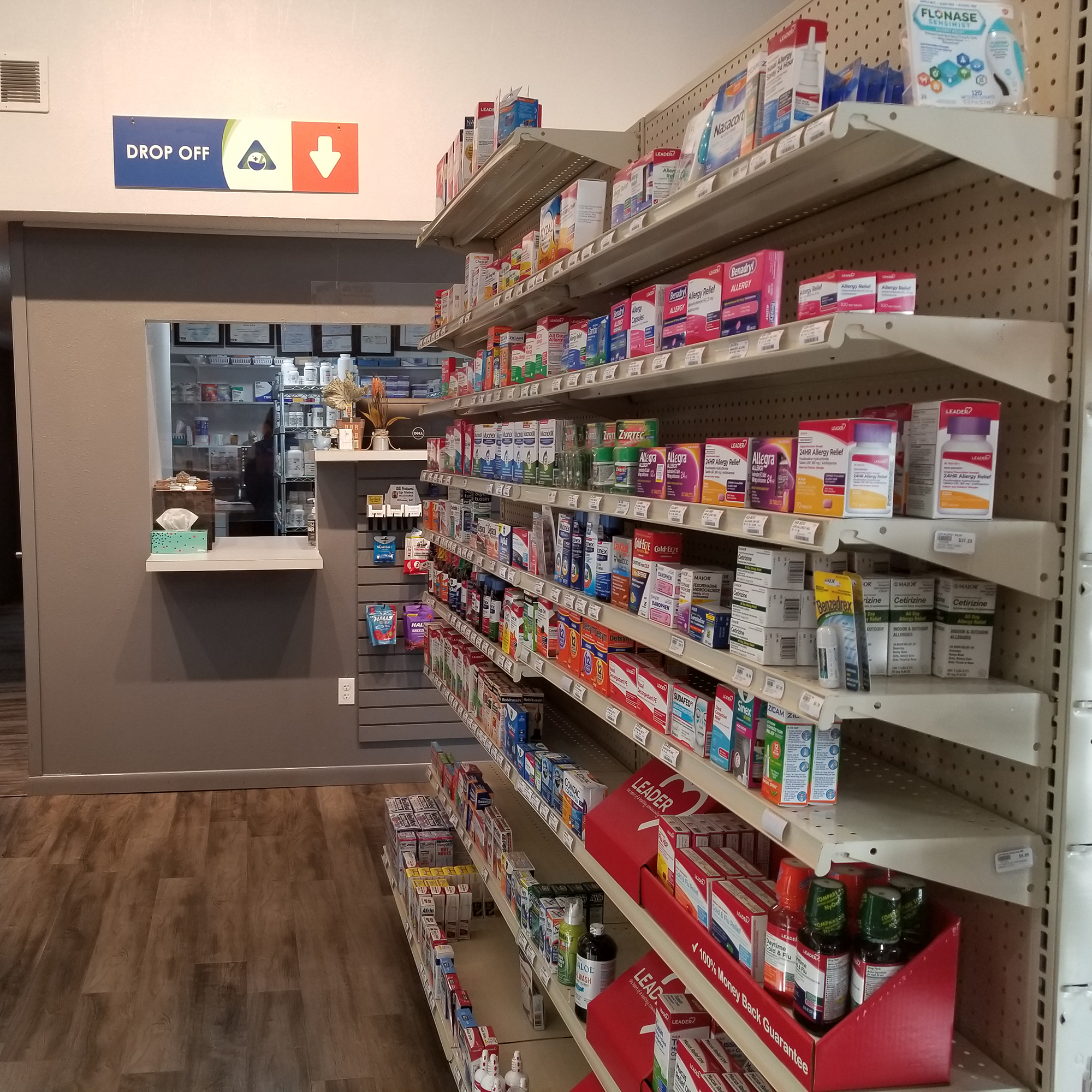
For small, rural communities across Iowa, the local pharmacy is more than just a place to pick up prescriptions. It is often a vital health care hub, a trusted source of advice, and a cornerstone of the local economy.
According to the Iowa Pharmacy Association, over 200 Iowa pharmacies closed their doors in the last decade, more than 30 in 2024 alone. The decline of pharmacies results in our rural communities facing a number of negative consequences: significantly fewer health care options, increased travel distances for essential medications, a diminished ability to access personalized care from trusted local pharmacists, and the loss of a vital business.
Gov. Kim Reynolds signed Senate File (SF) 383 into law on June 12, marking a significant turning point. The new law aims to reform the practices of Pharmacy Benefit Managers (PBMs).
PBMs are entities acting as middlemen between pharmacies and big insurance companies, negotiating drug prices and managing reimbursements. While seemingly a behind-the-scenes process, their practices have often been detrimental to Iowa local pharmacies. They can impose unfair reimbursement rates, dictate which pharmacies patients may use, and create complex systems that squeeze the financial viability of our hometown drugstores.
Passing SF 383 is about access to health care in rural Iowa. When our local pharmacies are forced to close, families face longer drives for essential medications, reduced access to personalized care from pharmacists who know them by name, and weakened local economies.
The newly signed law tackles these PBM practices head-on, offering tangible benefits for our small communities.
Fair reimbursement
The new law mandates that PBMs reimburse pharmacies based on the actual cost of the drugs, ensuring our local pharmacies can afford to stay in business and continue serving their residents. The rules prevent PBMs from unfairly driving down prices to unsustainable levels.
Protecting patient choice
The law restricts PBMs from limiting where patients can fill their prescriptions, as long as the pharmacy participates in the patient’s health plan. This practice empowers folks to continue using their trusted local pharmacists, fostering crucial relationships and ensuring continuity of care.
Fair cost sharing
Iowa’s new law limits PBMs from imposing different co-pays or offering financial incentives based on the pharmacy a patient uses, which ensures individuals are not penalized for choosing their local pharmacy.
Matt Osterhaus is a local pharmacist in Maquoketa, Iowa, and the former president of the Iowa Pharmacy Association. He emphasized how the reform will protect both pharmacies and patients.
"This law puts an end to spread pricing, a practice where PBMs inflate drug costs for employers while underpaying local pharmacies," Matt said. "The newly signed law will stop PBMs from incentivizing patients to use their pharmacies through better reimbursement, a practice that can restrict patients' choices of where to get their medications. This law is a major step towards keeping the infrastructure of rural health in Iowa solvent."
Gov. Reynolds' decision to sign SF 383 into law is a meaningful victory for independent pharmacies and the rural communities they serve across Iowa. The new law mandates fairness for our local pharmacies, ensuring they can continue to provide essential health care services and remain a vital part of their community.