A small strawberry farm in Isanti, Minnesota, received a grant to install a modest solar array to alleviate on-farm energy costs. The federal grant funds were then frozen; while money has begun flowing now to some grantees, uncertainty remains as to whether all recipients will actually see their awarded money.
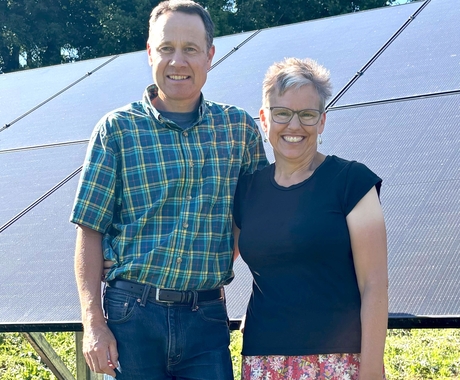
When Andy Petran, owner of Twin Cities Berry Company, learned that he was selected to receive a Rural Energy for America Program (REAP) grant through the U.S. Department of Agriculture (USDA) to install a 40-kilowatt solar array, he was thrilled. The project would make farming more affordable and allow him to support his community by distributing excess electricity produced by the panels to the local electric grid.
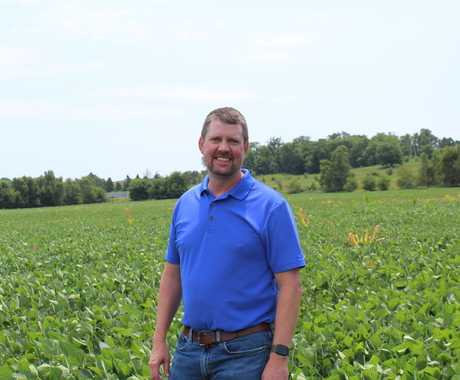
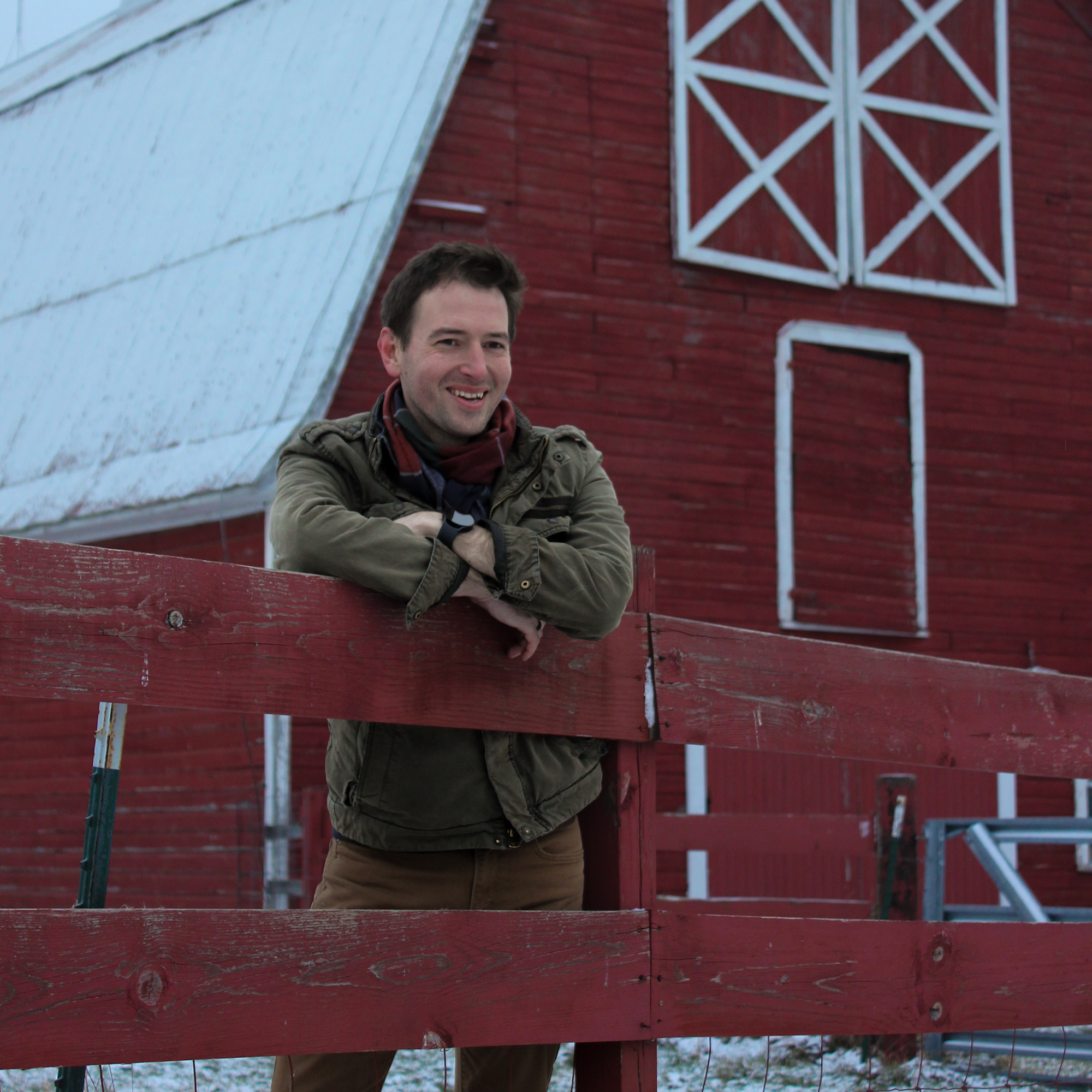
Andy started Twin Cities Berry Company in 2018 as an extension to his doctoral research project, which looked for ways to extend the strawberry growing season in the Upper Midwest. He wanted to conduct his research at a commercial scale, directing the work towards small farmers.
“I figured the best way to conduct research for small farmers was to be a small farmer myself,” said Andy. “I wanted the farm to be a research and production facility.”
In addition to its research and education efforts, Twin Cities Berry Company grows strawberries for local farmers markets and produces various jams and syrups.
In January, REAP funds, including the grant Andy was awarded, were frozen in response to one of the Trump administration's executive orders affecting funding for various USDA programs. In late March, funds through the REAP program were unfrozen, but uncertainty remained as to whether recipients would see their awarded money.
“I started reading horror stories of farmers who had already built their arrays but were not getting reimbursed,” said Andy.
The flux in federal funding is triggering a growing amount of uncertainty among grant recipients, creating confusion and hesitancy around whether they can submit a reimbursement for their project costs.
Andy reached out to his USDA agent in April and learned that reimbursements have begun dispersing. He has decided to move forward with his project, but the looming threat of tariff impacts on project costs has thrown into question whether or not the strawberry farm can still afford to build the solar array. They are continuing to make payments on the land they purchased in 2023, so money is tight.
“My solar contractor informed me that once their domestic inventory is depleted, all subsequent solar projects will have increased costs due to tariffs,” said Andy. “We just bought a farm so we're working with a lot of debt, and the panels only make sense if we can do it at a level that the REAP grant was approved for.”
Even if project costs increase, the REAP award cannot be adjusted to match the increase.
“I am still a bit hesitant to begin, due to federal uncertainty, grants being frozen and unfrozen every day, and the threat of solar net metering being abolished in Minnesota,” said Andy. “However, at a certain point you have to move forward and hope for the best. I look forward to my operation having abundant access to clean energy for years to come.”
REAP plays a critical role in helping farmers, ranchers, and small rural businesses by offering grants and loans to make energy efficiency improvements or install renewable energy systems. Without funding from the Inflation Reduction Act, many rural businesses may miss out on chances to lower their energy costs through the adoption of affordable, sustainable energy solutions, which could hinder economic progress in their regions.