With demand for reliable and affordable electricity rapidly growing, the pressure to modernize and expand our aging electrical grid has never been higher. Building a transmission system capable of meeting future needs is a huge undertaking, often stalled by the difficult process of siting, which is the planning, evaluation, and selection of specific locations for energy infrastructure.
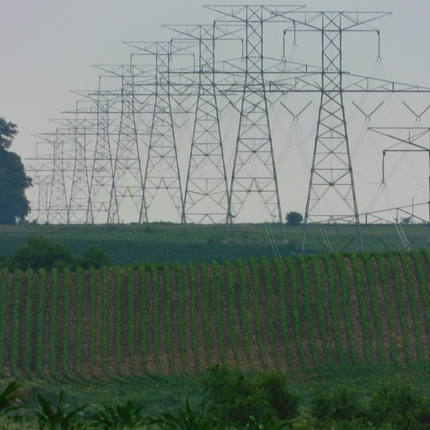
Balancing land use and private property rights against infrastructure requirements can delay vital energy projects for years. However, Senate File (SF) 2214, yesterday signed into law by Iowa Gov. Reynolds, offers a pragmatic solution by turning primary road right-of-ways, designated strips of publicly-owned land, into solutions for energy transmission. That is, transporting high-voltage electrical power from generation sites through a network of power grids to distribution substations, and ultimately the consumer.
By allowing transmission infrastructure to be built within interstate and primary road rights-of-way, Iowa is streamlining the path to a more resilient grid. The law clarifies that these highway corridors can serve as potential easements and requires the Iowa Department of Transportation (IDOT) to actively engage with developers, including assigning a project coordinator within thirty days of a request.
This shift does more than just simplify a map; it establishes a transparent, predictable criteria for project approvals. If the IDOT denies an installation, they must now provide specific reasons for that denial publicly within ninety days, promoting more accountability.
The move to favor highway corridors serves as a practical remedy for tensions surrounding land disputes and the use of eminent domain.
By utilizing land that has already been designated for public infrastructure, the state can expand its transmission backbone while minimizing the impact on private farmland and residential property. This approach is particularly timely as regional transmission operators like the Midcontinent Independent System Operator, which serves the majority of Iowa, move forward with long-range transmission planning. SF 2214 ensures that Iowa’s energy future keeps pace with modern demand while respecting the rights of its landowners.
To learn more about transmission planning and the impacts of increasing electricity demand, visit cfra.org/investing-in-our-electricity-backbone.