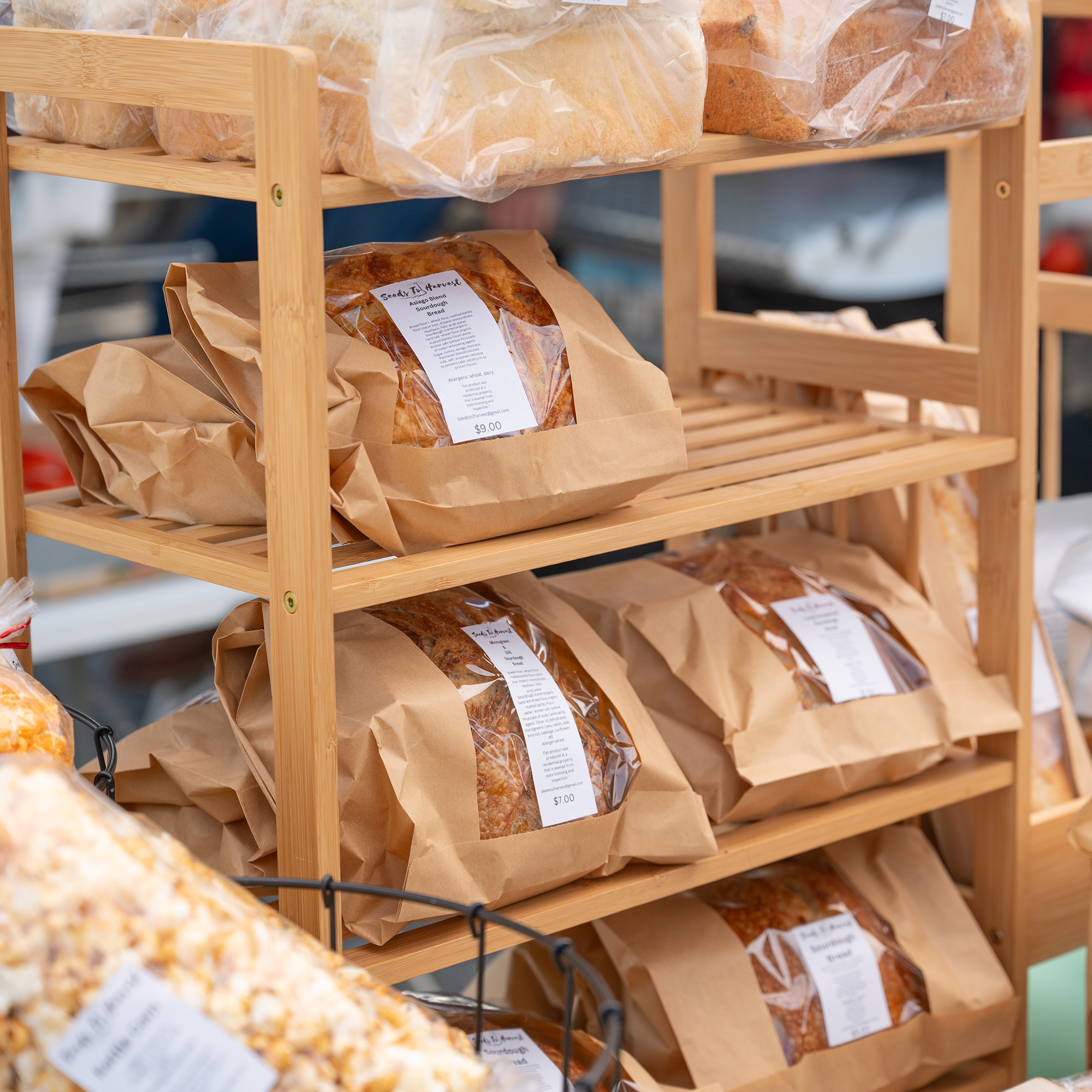
Foods made in a home-based kitchen are commonly referred to as “cottage foods” and have, in recent years, become a popular way for enterprising cooks to supplement their income or test out a food business without the risks of opening a brick-and-mortar store.
Before 2019, cottage foods could only be sold at farmers markets in Nebraska, but legislation passed that year allowed for producers to sell shelf-stable products like breads, cookies, and jams from their home, at community events, or online.
Last year, lawmakers passed additional legislation expanding the previous law to include foods such as cheesecake, buttercream frosting, sauces and salsa, and refrigerated pickles. This is a win for entrepreneurs in rural communities, where commercial kitchen rental space is limited and cottage food sales support local economies and provide additional food options.
Under the new law, which went into effect in July 2024, foods requiring refrigeration or heat to maintain safety can now be made and sold by home-based cooks.
The Center for Rural Affairs has compiled a fact sheet outlining the statute updates to assist those who want to start or expand their cottage food business. The publication includes links to food safety courses as well as information on how to register your cottage food business, labeling requirements, and how to safely keep food hot or cold. The fact sheet has a sample list of products that are not allowed to be sold, such as fermented foods like sauerkraut or tofu, heat-sealed canned or jarred products, and those containing meat.
By removing some of the limitations these home-based businesses previously faced, the revised cottage food law offers exciting new opportunities for creativity and entrepreneurship in rural communities.
More details can be found in our fact sheet, What You Need to Know: Nebraska’s Cottage Food Regulations.