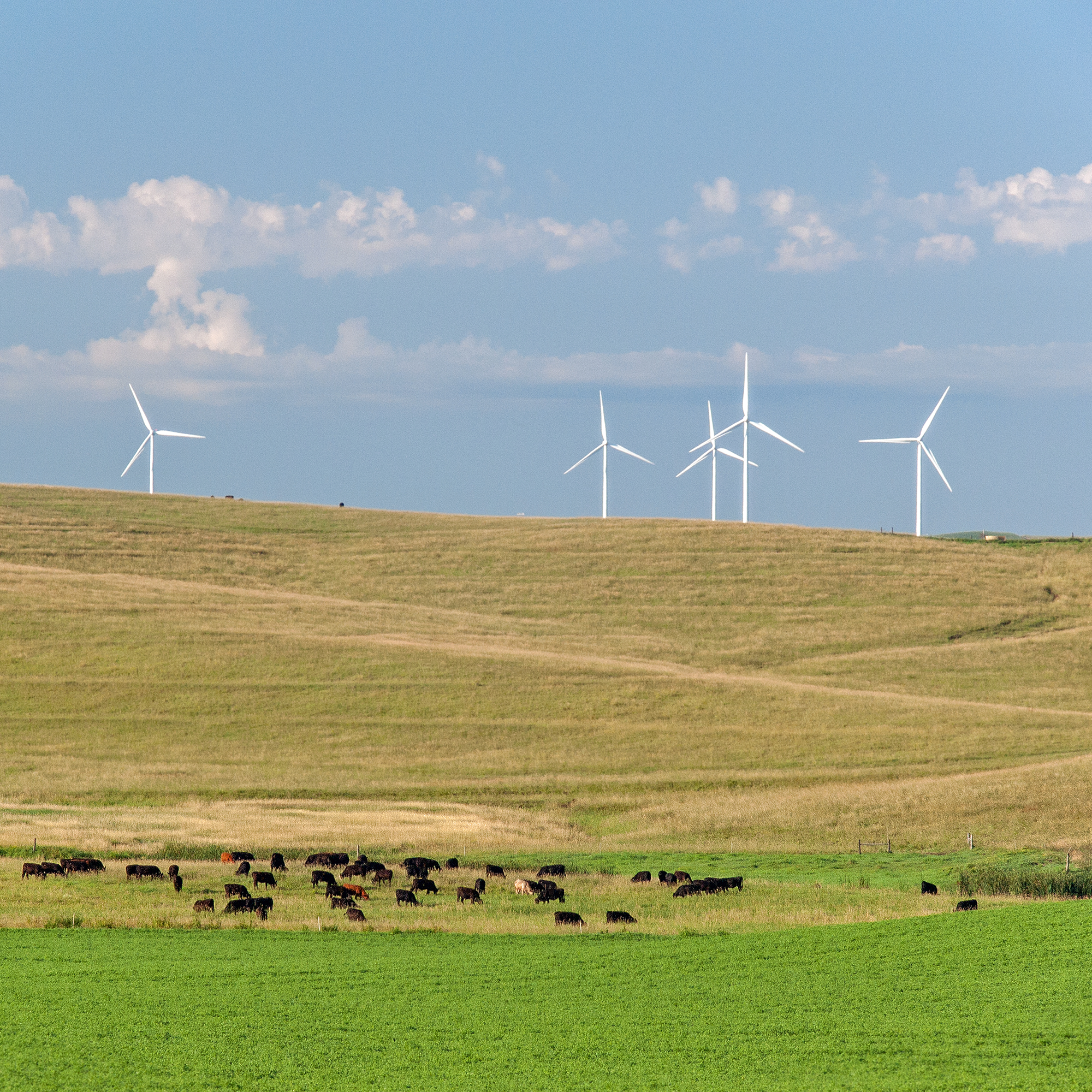
Rural communities are experiencing a surge in renewable energy development, bringing benefits such as increased tax revenues, new jobs, and local lease payments. In southwest Minnesota, additional benefits are being unlocked through Community Benefit Agreements (CBAs).
In Minnesota, Blazing Star 1 Wind, a 200-megawatt wind project in Lincoln County, Minnesota, and the Nobles 2 Wind Project, a 250-megawatt project in southwestern Minnesota on Buffalo Ridge, negotiated via CBA that the developer will contribute $80,000 and $15,000 annually, respectively, to the Southwest Initiative Foundation. The foundation receives and distributes funding via grants across communities located near three wind projects in the southwest region of the state.
A CBA is a project-specific agreement between renewable energy developers and local groups, outlining benefits that can be tailored to each community. Common benefits include community funds, one-time or annual donations to local entities, and direct investments in programs like labor training. Other benefits may include labor provisions, contributions to grants, and donations to schools or emergency services. CBAs can be customized to meet each community's unique needs, ensuring a more meaningful and lasting impact from renewable energy projects.
Funding from Blazing Star 1 allowed the Hendricks Fire Department to receive $10,000 per year for 10 years and put the money toward the purchase of a new pumper truck. Additionally, the City of Hendricks also benefited and was awarded $50,000 to put toward the cost of adding a new sports court in the park, improving a beach area, and renovating city park restrooms.
Funding from the Nobles 2 Wind Project gave $5,000 to the Lismore Fire and Rescue Department for in-house equipment cleaning units.
CBAs empower residents to shape local renewable energy projects by shifting power to the community and promoting collaboration. They go beyond the typical landowner lease payments to landowners and tax revenues, benefiting rural areas with tailored solutions. Direct participation ensures diverse community needs are met, enabling residents to maximize benefits and influence decisions.