Published in the Alexandria Echo Press, Feb. 3, 2026
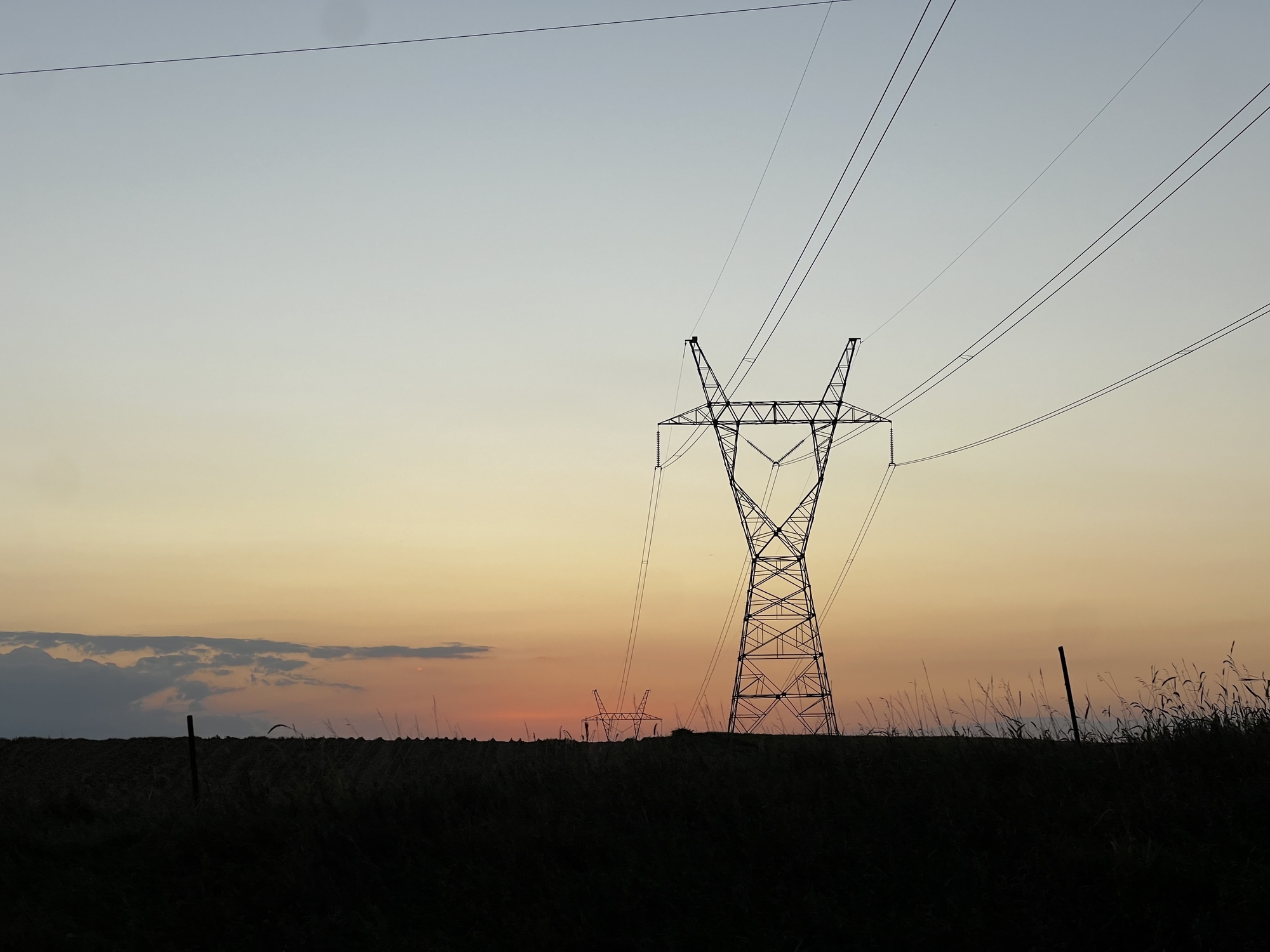
In Minnesota, aging transmission infrastructure has been battered by severe weather, including windstorms, tornadoes, and extreme winter events. Rising electricity demand is pushing the system even further.
“Minnesota’s transmission system is strained,” said Cora Hoffer, senior policy associate with the Center for Rural Affairs. “Demand for electricity, due to factors like electrification of homes and businesses, along with increased industrial activity, is placing mounting pressure on already constrained transmission capacity.”
Nationwide, electric demand is estimated to increase by 15.8% by 2029, according to Grid Strategies.
“To meet the challenge, we need a well-planned transmission network that can support current needs and sustain future growth,” Cora said.
The Big Stone South to Alexandria transmission project is one part of a planned network expansion.
Long range transmission planning
Long range transmission planning is complex, but critical for Minnesota’s future.
Minnesota is a part of the Midcontinent Independent System Operator (MISO), one of 10 regional transmission entities in the U.S., that oversees the generation, transmission, and sale of electricity. MISO is tasked with identifying transmission needs in their territory, which included a need to develop a transmission line connecting substations between Big Stone City, South Dakota to Alexandria, Minnesota.
In October 2024, the Minnesota Public Utilities Commission (PUC) approved the project’s Certificate of Need. As part of this, the Big Stone South to Alexandria project was approved along with 17 other transmission projects in the first phase of a multi-part effort to update the grid.
“Projects are slated to ensure reliability, especially as it relates to increased extreme weather events, integrate new energy generation resources, like wind and solar energy, and enable access to lower-cost energy,” Cora said.
A decision to give the full green light to the Big Stone South to Alexandria project is expected in mid-2026.
Reducing transmission congestion and curtailment
Cora said these projects will aid in reducing transmission congestion, something Minnesota has been well-aquainted with in recent years,” Cora said.
“In areas that lack an adequate amount of or outdated transmission infrastructure, electricity cannot move to where it is needed, causing congestion, or an electricity traffic jam,” Cora said.
This congestion can lead to curtailment, which is when energy production is reduced or stopped to prevent overloading the system and blackouts.
“In places like southwest Minnesota that are rich with renewable energy resources, curtailment prevents a system from producing its maximum amount of energy, limiting how much low-cost electricity reaches consumers,” Cora said. “When energy production is limited by transmission capacity, communities lose out on not only access to low-cost electricity, but counties can experience significant financial losses due to decreases in energy production tax revenue.”
According to the Center for Rural Affairs, in 2021, wind projects in southwestern Minnesota still brought in production tax revenue, but curtailment cut energy production in half, accounting for financial losses of more than $1 million for three counties, including Jackson, Lincoln, and Murray counties.
Making sure electricity can flow
“Replacing old infrastructure and installing additional transmission lines reduces the effects of grid congestion, ensuring power can flow where it is needed,” Cora said. “Modernizing and expanding the energy grid is critical to increasing access to low-cost energy, improving the reliability of our power grid, and ensuring we have the electricity needed for future economic growth.”
To learn more about the transmission planning process, benefits of transmission, and load growth impact, visit cfra.org/investing-in-our-electricity-backbone.
Residents along the proposed project route can engage with the Minnesota Public Utilities Commission while they review the proposed Big Stone South to Alexandria transmission route. To find out more, visit bigstonesouthtoalexandria.com/regulatory-process.