Para la versión en español, haga clic aquí. | Jessie Eby contributed to this story.
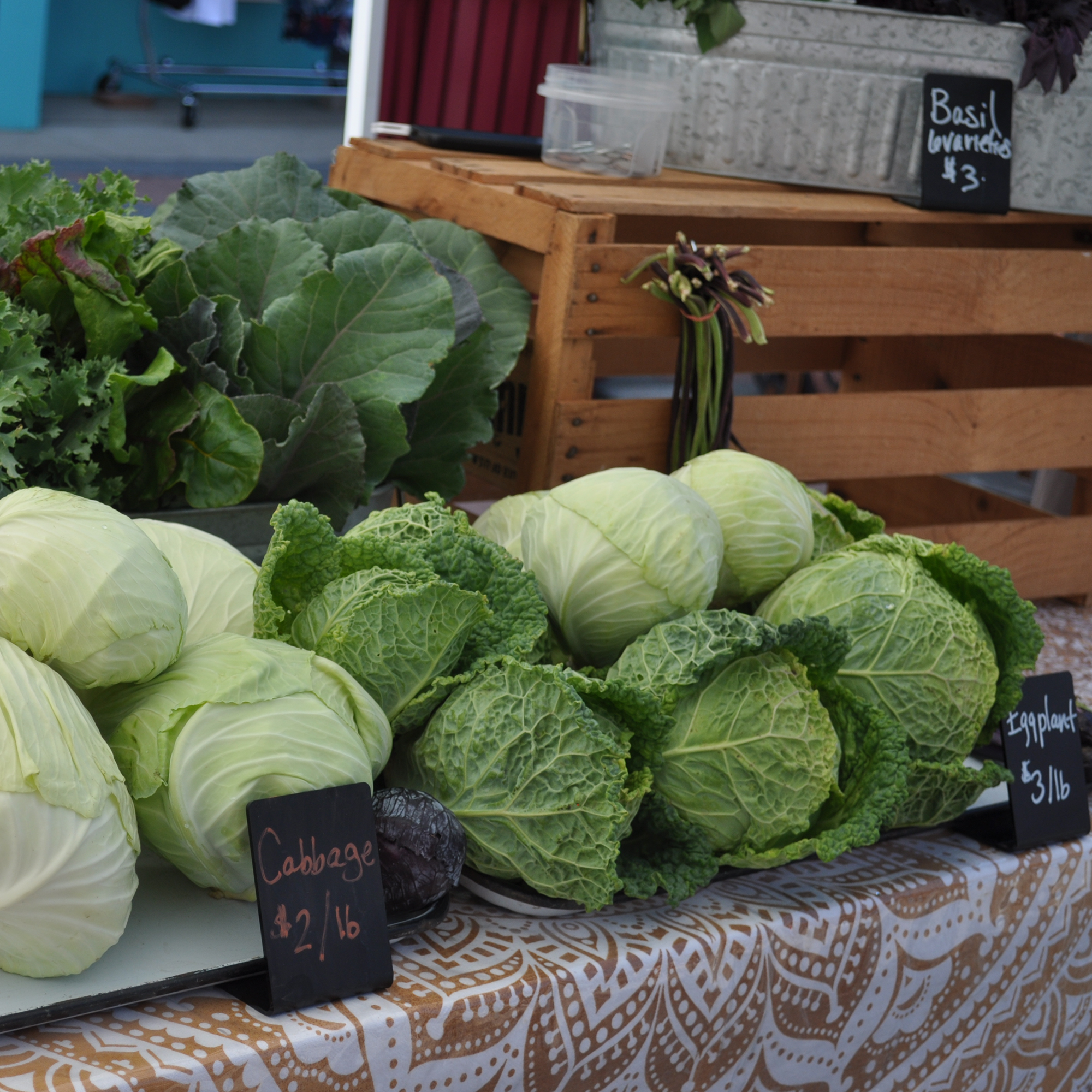
The familiar and friendly atmosphere of a farmers market makes it a popular launching point for many small businesses. And, when demand grows and the opportunity to reach more customers presents itself, scaling up your operation for wholesale can be an exciting next step.
If you’ve ever dreamed of taking your production to the next level, we have some helpful insights to share.
What does “scaling up” mean?
“Scaling up” means increasing your production to sell more goods in larger markets like food hubs, grocery stores, or local retail outlets. Typically, this means working with retailers or wholesalers to get your products on their shelves so you can focus on the production side of your business while they handle marketing and sales.
Benefits and drawbacks of wholesaling
The decision to wholesale is often driven by the desire to increase profit, grow your business, and reclaim some time in your schedule. While many producers enjoy interacting with their customers, the time it takes to prepare for and attend markets is valuable and could be spent on production.
Although wholesaling is a big step forward for many producers, it has its challenges. Typically, you will see an overall increase in profit due to increased sales, but you’ll be selling at a lower per-unit price compared to direct sales. You’ll also be required to meet any processing or handling requirements your wholesaler imposes. For some producers, this could mean changing the items you produce and how you handle them, potentially even cutting back to focus on only one or two products.
5 steps to scale up your business
If you think scaling up is the right move for your business, these five steps will help you with the transition.
1. Assess your readiness
Take stock of your current operation before making any big moves. What do you grow or produce best? Whether it’s beef, bees, produce, or value-added products like jam and cheese, know your strengths. Intermediary buyers are typically less forgiving of quality inconsistencies than direct-market customers. Ask yourself if you could maintain your current standard if you were to increase your production.
2. Plan for increased production
Increasing your output will probably create new business needs. Do you need upgraded facilities or tools? More help? Perhaps you need additional insurance. Evaluate new inputs from a business standpoint and make sure your projected sales and pricing will cover these increased costs while still delivering the profit margins you need.
3. Understand market requirements
Wholesalers must follow best practices, from food handling requirements to safety certifications. Research food safety and handling requirements and be prepared to adhere to the standards your wholesaler sets forth. Consider how you will package your products, not only from a branding perspective but for safety and sanitation.
4. Prepare your sales pitch
This is your opportunity to tell your brand’s story. What sets your product apart? How does it meet the needs of the wholesaler’s customers? How will carrying your product benefit the wholesaler?
Along with your sales pitch, you’ll need to have clear pricing that accounts for wholesale markups. Remember, the wholesaler will need to set a retail price that is fair and competitive. This can be a tricky balance to strike, but formulas and calculators are available online to help you get into the right ballpark.
Retailers often require written agreements outlining what you’ll provide. Some, especially food hubs, might have their own contracts. If not, consider hiring a lawyer to draft an agreement that protects both parties.
5. Build your brand
Your brand is more than just your product—it’s your story. Develop a clear story that sets you apart from your competitors and helps you connect with your customers. Create a recognizable logo and use it consistently. If you have the money, hiring a professional designer for your logo, labels, and signage is a good investment in the future of your brand. Consider adding signage or a message to your labels that lets customers know your products are locally made or grown.
Who should consider scaling up?
If you’re regularly selling out at farmers markets or struggling to meet demand, it might be time to consider wholesale opportunities. Transitioning to wholesale can allow you to spend more time on the production side, getting you back to what initially drew you to the business.
Preparing for future scaling
If your operation isn’t quite ready for wholesaling, you can set goals now and plan a phased approach toward a larger scale. Assess your budget, identify business needs, and make goals for increasing production gradually. Ask yourself what it would take to start selling out at markets. Is it an issue of brand awareness? Does your market booth set-up draw customers in? How is your product packaging? Asking yourself these questions will help you narrow down areas of growth to focus on.
Exploring retail and wholesale opportunities
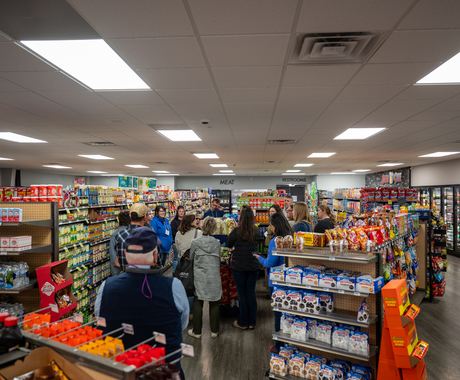
Be sure to explore retail avenues other than grocery stores and food hubs. Schools, senior centers, nursing homes, specialty stores (think of locations that carry items for beauty or holistic wellness, gift shops, etc.), and restaurants are all great opportunities to pursue when you’re trying to scale up. Another alternative is creating a farm stand. Learn more about farm stands in this article.
Building relationships with wholesalers
Personal relationships can open doors when approaching potential wholesalers or retailers. If you don’t already have a relationship with the wholesaler, do your research on the store or food hub. When you meet, bring samples of your product and be prepared to share your story, pricing, and pitch.
Funding and support
Scaling up often means adding employees or upgrading tools or facilities, all of which require additional capital. The Value-Added Producer Grant can help finance your expansion. If you need assistance, the Center for Rural Affairs has resources available. Learn more at cfra.org/farm-food or reach out to me directly at [email protected].
The decision to scale up is unique to your business. For those ready to move beyond the farmers market, scaling up offers an opportunity to build a broader customer base, enhance brand loyalty, and reclaim time you might otherwise spend on market days. With careful planning and a clear focus on production and business strategy, you can take your operation to the next level while staying true to what makes your products unique.