
Each day, communities across Nebraska are faced with conservation issues. In 2016, Conservation Nebraska launched a program to help inform people about ways they can improve their local environment.
The Common Ground Program works to address local conservation concerns through locally led education efforts and community engagement. The program provides tools and resources to communities to turn education into action.
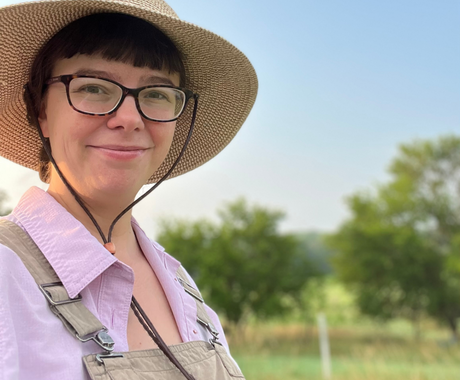
As the senior program director with Conservation Nebraska, part of Amanda Gangwish’s role is to help oversee and manage the Common Ground Program.
“We know from research that, for someone to understand these types of issues, it needs to be important to their everyday lives,” she said. “We work really hard to make sure the issues that are talked about are issues that impact Nebraskans. We are having conversations with communities to understand their concerns and learn more from those who are impacted.”
In September 2017, Conservation Nebraska was awarded an AmeriCorps grant to grow the Common Ground Program. AmeriCorps is a federal agency for volunteering, service, and civic engagement, and engages millions of Americans in citizen service through its programs.
“Since we received the grant, we continue to bring on AmeriCorps members who serve as community organizers,” Amanda said. “Through the utilization of these members, Conservation Nebraska was able to take the Common Ground Program statewide, expanding our geographic reach.”
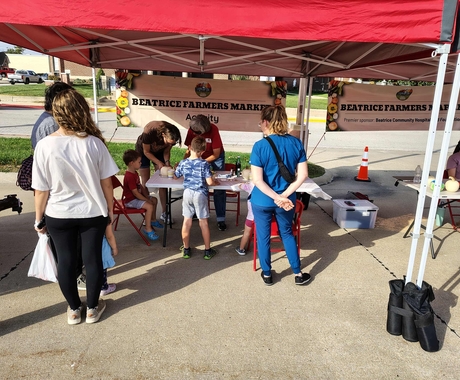
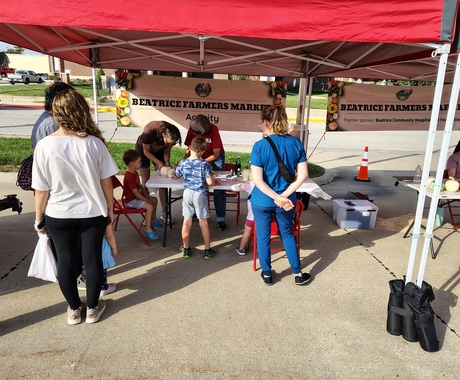
Over the past year, the Common Ground Program has hosted more than 75 events and reached 2,500 Nebraskans. These conservation-focused events and conversations across the state included topics such as clean energy, water quality and conservation, soil health, environmental justice, and land stewardship.
“At these events, we are reaching people who are passionate about conservation but have never before been involved in their community to make a difference on behalf of the environment,” Amanda said.
During the past year, Common Ground also provided youth-centric programming to more than 200 students, developed five community gardens, provided more than 500 free water-testing kits for private well owners, and cleaned up nearly 600 pounds of trash from parks, trails, and community areas, among other projects.
The Center for Rural Affairs encourages community leaders to explore Conservation Nebraska's programming to see what may best help boost their conservation efforts.
“Conservation Nebraska’s work aligns with our goals of providing resources to communities facing environmental challenges, as well as offering support in those areas,” said Deborah Solie, senior project associate with the Center. “We can help community leaders connect with Conservation Nebraska staff so they can take advantage of all the benefits of the Common Ground Program.”
Another important component of the program is hitting the streets and going door-to-door to meet and reach as many people as possible.
“The Common Ground Program isn't just about engaging people who are already passionate about the environment,” said Amanda. “This program is about building connections with Nebraskans who are not knowledgeable or concerned about our environment and growing the base of people across the state who see themselves as conservationists.”
Conservation Nebraska has formed partnerships with more than 175 organizations across the state to host educational programs and support their work.
Communities throughout the state are able to take advantage of Conservation Nebraska’s educational programming and resources year round.
They can also reach out to Center staff for assistance at [email protected], and find more information at cfra.org/rural-resources.