Tod Bowman, policy associate, [email protected] or 563.370.2422, and Rhea Landholm, media and marketing manager, 402.603.0074 or [email protected]
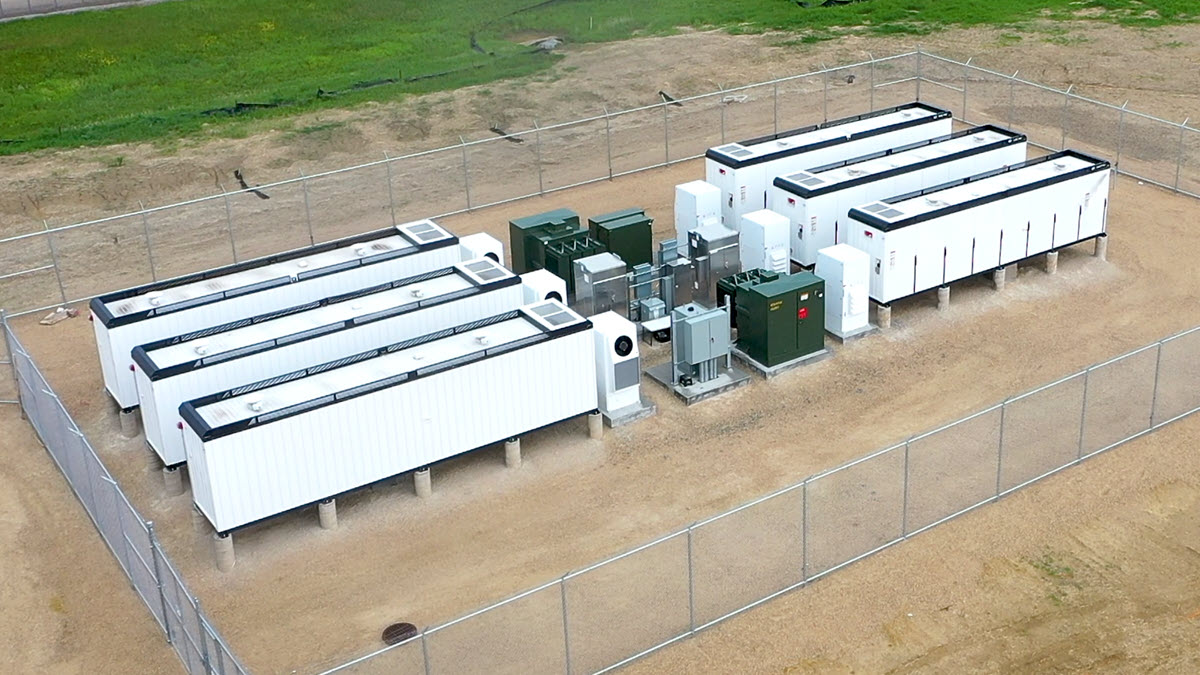
Lyons, Nebraska–A shift is underway in America's energy landscape. As Battery Energy Storage Systems (BESS) have increased by fivefold in just four years, according to the U.S. Energy Information Administration, rural communities are being presented with new requests to safely host and integrate this emerging technology.
A new fact sheet from the Center for Rural Affairs aims to help demystify the technology by answering common questions and providing guidance for local officials on the best practices for integrating BESS in their communities.
“Storage systems are becoming an important component of the electrical grid system, capturing excess energy and releasing it instantly and reliably when the grid needs it most,” said Tod Bowman, policy associate with the Center for Rural Affairs. “These systems pair well with renewable energy generation, which is the fastest growing energy source, and are most often found in rural communities.”
Depending on energy capacity and power rating, grid-scale BESS can provide power for minutes to several hours, and commonly uses lithium-ion batteries, which boast a durable lifespan of 10 to 20 years.
As use of the technology has spread, many states are adopting standards to mitigate concerns like thermal runaway, which are addressed in the National Fire Protection Association’s 855 guidelines. Consequently, industry data shows significant progress and greater confidence in the technology, with a 3% fire incidence rate in 2023 and 97% reduction in BESS failure rates between 2018 and 2023.
The fact sheet also identifies common siting standards, such as setbacks, and the importance of ensuring consistent definitions across zoning districts. Additionally, it outlines necessary requirements for emergency response training and financial plans for decommissioning and site restoration.
“It is critical rural communities are equipped with clear best practices and safety standards as BESS rapidly transforms our energy landscape,” said Bowman. “As energy providers across the Midwest and nation begin to integrate BESS, these systems represent a fast-growing and evolving technology that is paving the way for a more reliable, resilient, and clean energy future.”
To read and download a copy of “Building a Resilient Power Future with Battery Energy Storage Systems,” visit cfra.org/publications.
# # #