Por Lucas Nelsen, ex miembro del personal.
A medida que las energías renovables siguen generando prosperidad en los estados con políticas favorables, las comunidades rurales se encuentran en el punto de mira. Los proyectos de energía solar y eólica crean nuevos empleos e ingresos fiscales en las comunidades que los albergan, ayudándolas a ser más independientes y resilientes.
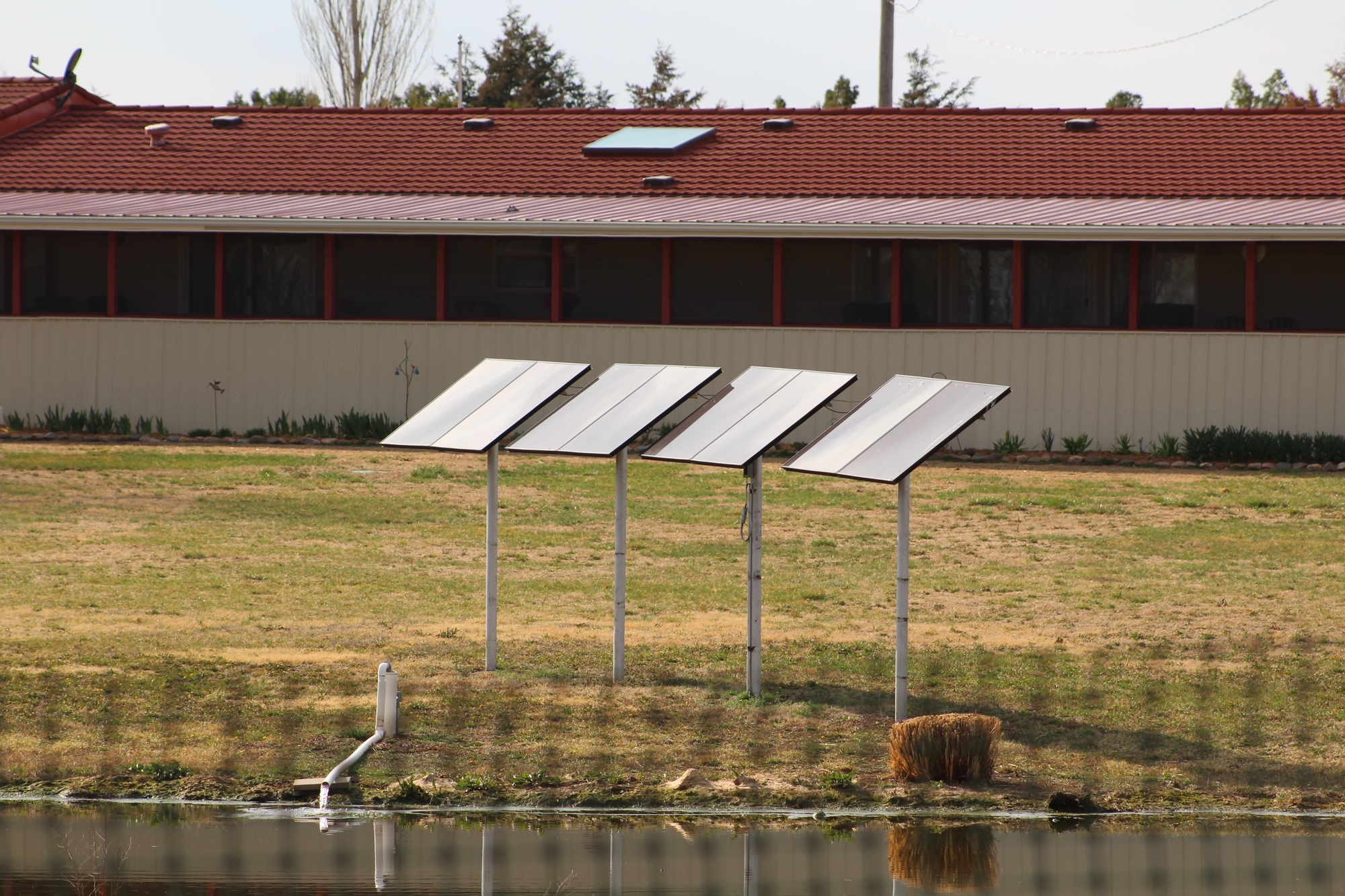
Una de las herramientas más útiles para quienes desean generar su propia energía a partir de fuentes renovables es la medición neta. Este sistema permite a los consumidores lograr una independencia energética parcial al producir su propia electricidad y devolver el excedente a la red. Estos clientes-generadores suelen recibir un reembolso por la energía sobrante mediante créditos en sus facturas de servicios públicos, lo que les permite, en esencia, volver a conectar su contador a la red.
Through net metering, homeowners are able to save on energy rates while utilities gain access to local, renewable energy that they can use to meet the needs of other customers. Meanwhile, the installation of generating systems like solar panels brings jobs to communities where consumers are looking to invest in projects. In Nebraska, the solar industry already supports more than 1,300 jobs, and there is plenty of room for the industry to grow as panels continue to get cheaper and more efficient.
Legislative Bill 509 in the Nebraska Legislature would raise the existing cap on the size of projects that qualify for net metering. Allowing consumers to send more of their excess renewable energy to the grid helps lower costs, creates new economic opportunities, and promotes energy independence.
As senators debate these changes, they must consider the benefits of tools like net metering. Expanding these policies empowers consumers and allows for an emerging industry to continue growing.