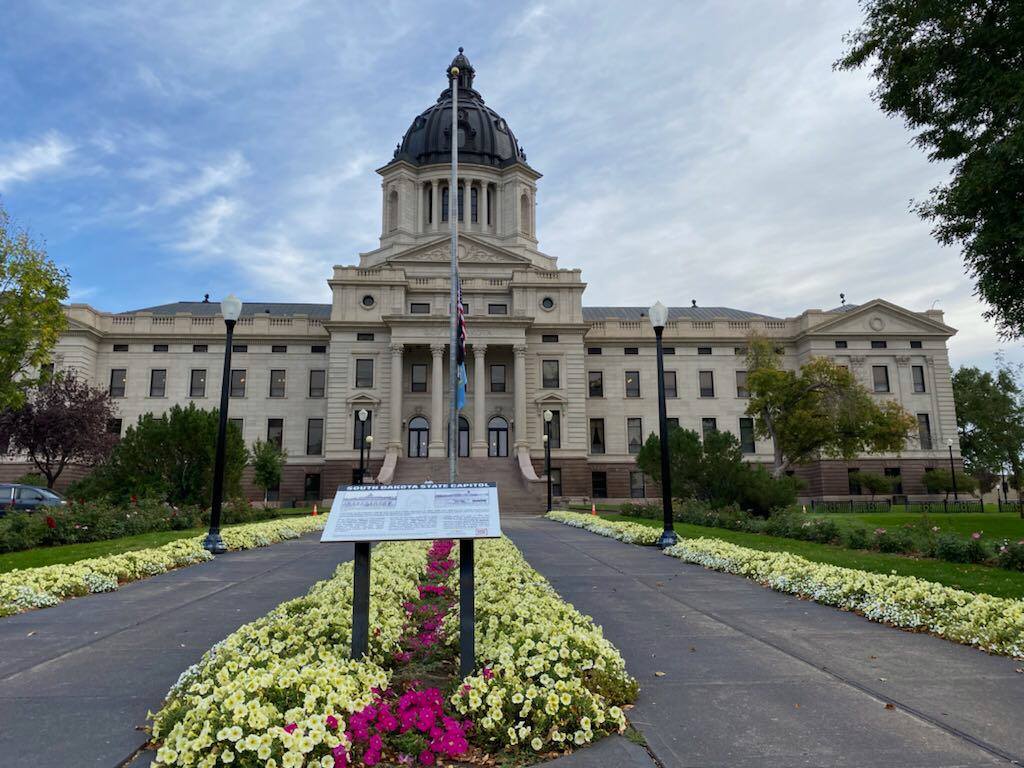
Today is Day 18 (of 37) of South Dakota’s legislative session.
A flurry of new bills have been introduced in the last few weeks.
Here are a few we are watching:
Desarrollo economico
SB 157 (brought at request of the Governor) Oppose → Revisa ciertas disposiciones relativas a la zonificación del condado y al proceso de apelaciones.
This bill was introduced on Feb. 5 at the request of Gov.Kristi Noem and has made several headlines already. (Here is the SDPB story. The bill removes the requirement for a public hearing for special permits at the county level. SB 157 is an attempt to “streamline” county zoning permit processes for concentrated animal feeding operations, wind energy developments, and other infrastructure and agricultural projects. The bill limits the ability of the public to participate in the permitting process. The Center opposes this legislation as it limits local control. We believe citizens should have the opportunity to weigh in on projects to be built in their area and express concerns or bring up important issues that should be addressed. The bill has been referred to the Senate State Affairs committee. A hearing has not been scheduled.
Energia y medio ambiente
SB 111 (Wiik) Support → Excluye ciertos ingresos fiscales procedentes de la energía eólica de la fórmula de ayuda estatal a la educación.
SB 111 changes the formula used to determine wind energy tax revenue for school districts in counties where wind energy projects are hosted. The bill would cap the amount of revenue from wind energy that would be considered as a county’s local effort for the purposes of determining state aid for education. Passed 5-2 in the Senate Taxation Committee on Feb. 10 and is now headed to the Senate floor.
SB 85 (Rusch) Neutral → establecer una tarifa anual para ciertos vehículos eléctricos y vehículos híbridos eléctricos.
SB 85 creates an annual fee of $100 for electric motor vehicles and $50 for electric hybrid vehicles. The purpose of this bill is to offset the lost funds that are normally generated by the gas tax and collected in the state’s highway maintenance fund. The Senate Transportation Committee had a hearing on this bill on Feb. 7.
SB 165 (Steinhauer) Apoyo → Exigir que todas las instalaciones de energía eólica incluyan un sistema de iluminación para la detección de aeronaves.
Last year, the legislature passed a law requiring all wind energy facilities to include an aircraft detection lighting system. SB 165 would amend this law to allow—until 2024— for wind energy facilities permitted before July 2, 2019 to comply with the requirement. The bill has been referred to the Senate Commerce and Energy committee. No hearing has been scheduled.
Comida y Agricultura
HB 1125 (York) Apoyo → Revisar las condiciones para la venta de productos horneados sin control de temperatura sin licencia.
This bill amends South Dakota’s “Home Processed Foods Law,” which allows for the sale of non-temperature controlled baked goods without a license. The bill makes several changes. The most beneficial would be the removal of the $5,000 gross sales cap. The bill also allows sellers to apply for an ID number for their product label instead of listing their personal information. The bill has been referred to the House Commerce and Energy Committee. A hearing has not been scheduled.
HB 1008 Soporte (Qualm) → Legaliza el cultivo y la producción de cáñamo industrial y productos derivados en el estado, y declara el estado de emergencia.
After being rescheduled several times to allow for extensive amendments, the industrial hemp bill was heard in the House Agriculture and Natural Resources Committee on Feb. 6 and passed without opposition 11-0. Center for Rural Affairs Executive Director Brian Depew, discussed both opportunities and considerations around industrial hemp production in a blog post el año pasado.
HB 1006 (Chaffee) Soporte → authorizes the secretary of revenue to contract with certain entities for purpose of maintaining a database to determine agricultural income value and to specify the mandatory and permissive data of the database.
HB 1006 has been brought at the request of Agricultural Land Assessment Implementation and Oversight Advisory Task Force. The purpose of the bill is to allow the state to utilize a wide range of agencies to gather information on different types of agriculture with the intent to build a broader database and increase data accuracy, especially in regard to non-cropland. Proponents of the bill include the Dept. of Revenue, SD Stockgrowers Association, Farm Bureau, SD Cattlemen's Association, and SD Chamber of Commerce. It passed the House of Representatives and Senate Taxation committee with little to no opposition and has been placed on the Senate’s consent calendar.
HB 1007 (Chaffee) Soporte → Requiere ciertos ajustes al valor catastral de las tierras agrícolas, si existen factores que afectan a la productividad de la tierra y que exigen que dichos ajustes se documenten.
HB 1007 has been brought at the request of the Agricultural Land Assessment Implementation and Oversight Advisory Task Force. The purpose of the bill is to create a uniform process for land owners to request a piece of land be reassessed to reflect actual productivity. It also requires the assessors to document the request, investigation, findings, and reasoning for their decision. Proponents of the bill include SD Stockgrowers Association, SD Conservation Districts, Farm Bureau, SD Association of Cooperatives, and SD Cattlemen's Association. The bill passed the House of Representatives with no opposition and will be heard next by the Senate Taxation Committee.
SB 76 (Russell) Apoyo → para establecer la clasificación de ciertas tierras agrícolas como tierras no cultivables.
SB 76 allows for any agricultural land which has been seeded to grass for at least 10 years and is used for animal grazing or left unharvested or is native grassland, to be categorized as non cropland for assessment purposes. This bill will be heard in the Senate Taxation committee. A hearing has not been scheduled.
We welcome your input. Feel free to be in touch about these or any other bills you feel are important to rural communities.