Por Cody Smith, ex miembro del personal
En todo el país, los estadounidenses se enfrentan a decisiones difíciles sobre la atención médica a largo plazo para ellos y sus seres queridos. El acceso a un nivel de atención que satisfaga sus necesidades específicas puede determinar si las familias permanecen unidas o si sus seres queridos tendrán que mudarse a kilómetros de distancia.
Long-term care facilities, commonly referred to as nursing homes, are crucial to providing a level of care that many families cannot offer to their loved ones. In rural areas of our country, accessing long-term care is becoming increasingly challenging.
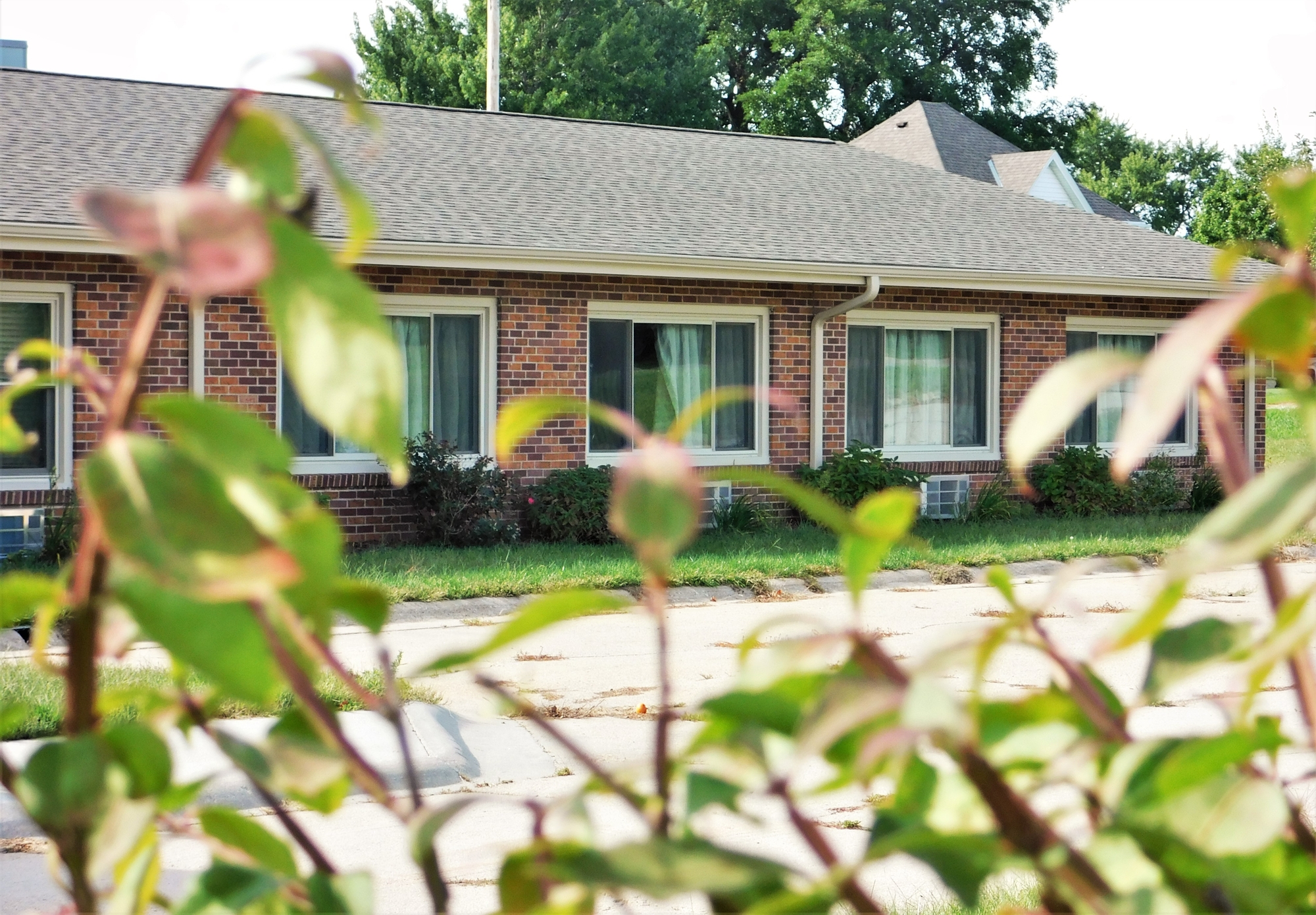
Rural residents are aging at a faster rate than their urban counterparts and, unfortunately, a shifting long-term care system may leave them behind. Take Nebraska for example. Over the last decade, 23 long-term care facilities have closed across rural areas of the state. At the same time, a net total of 753 beds were lost – indicating a troubling shift.
There is a growing disparity between the urban and rural areas of the Midwest state in regard to the number of facilities and licensed beds. While beds and facilities in rural counties shrank significantly, the opposite occurred in metropolitan counties. During the same period, 16 new long-term care facilities opened, netting an increase of 540 new licensed beds in urban areas.
Nebraska is not alone. Many rural states are grappling with the reality of losing their rural facilities. The problem isn’t going away as the number of elderly Americans is expected to double by 2060.
Americans deserve access to long-term care, no matter where they live.