Por Lu Nelsen, ex miembro del personal
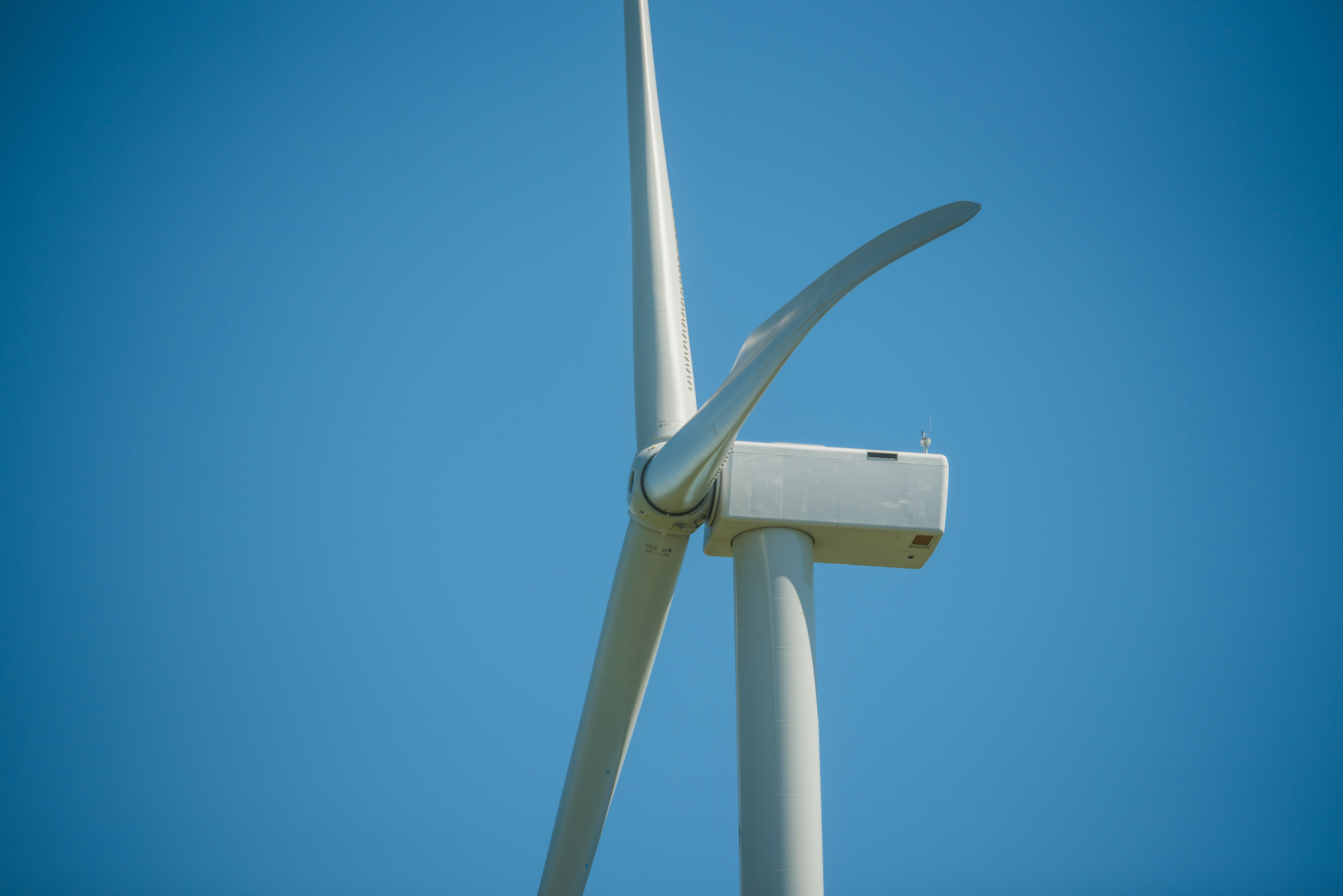
Las turbinas eólicas se multiplican en Estados Unidos, y la mayoría se instalan en zonas rurales con vistas a cultivos, ganado, bosques y lagos. Las comunidades rurales se benefician del desarrollo de la energía eólica, pero el crecimiento de la industria también ha planteado un desafío: la falta de regulación local o su desactualización.
We suggest residents and local officials take the following steps when drafting new zoning regulations or ordinances.
1. Consult experts on key issue areas in a proposed ordinance, for example, measuring the potential impacts of a wind energy system on sound/noise and frequency. Anecdotal evidence should not be substituted for expert guidance; it does not provide a sound foundation for zoning standards.
2. Communicate with officials from neighboring counties who have wind development experience. They can provide valuable insight and identify useful items to include in an ordinance.
3. Encourage developers to hold community meetings early in the process to provide education on wind energy development, offer details about the project, and answer questions.
4. Consider potential unintended consequences of ordinances and zoning standards. Items such as setbacks and noise limits can eliminate potential development if they are too strict.
5. Counties should seek out ways to ensure developers address land and infrastructure concerns. For instance, a common requirement is that developers submit road use plans that include clear measures for mitigating impacts and steps to repair any damage incurred during construction.
More recommendations and common requirements se puede encontrar aquí.