Cora Fox colaboró en este blog.
Este estudio de caso fue financiado por la Beca de Innovación en Conservación del Servicio de Conservación de Recursos Naturales del Departamento de Agricultura de los Estados Unidos (USDA). El trabajo del Centro, gracias a esta beca, destaca a productores principiantes, mujeres y veteranos que utilizan prácticas de conservación en sus explotaciones agrícolas. Manténgase al tanto para obtener información sobre los próximos seminarios web dirigidos a agricultores y ganaderos principiantes, mujeres y veteranos. Consulta aquí el estudio de caso de dos páginas.
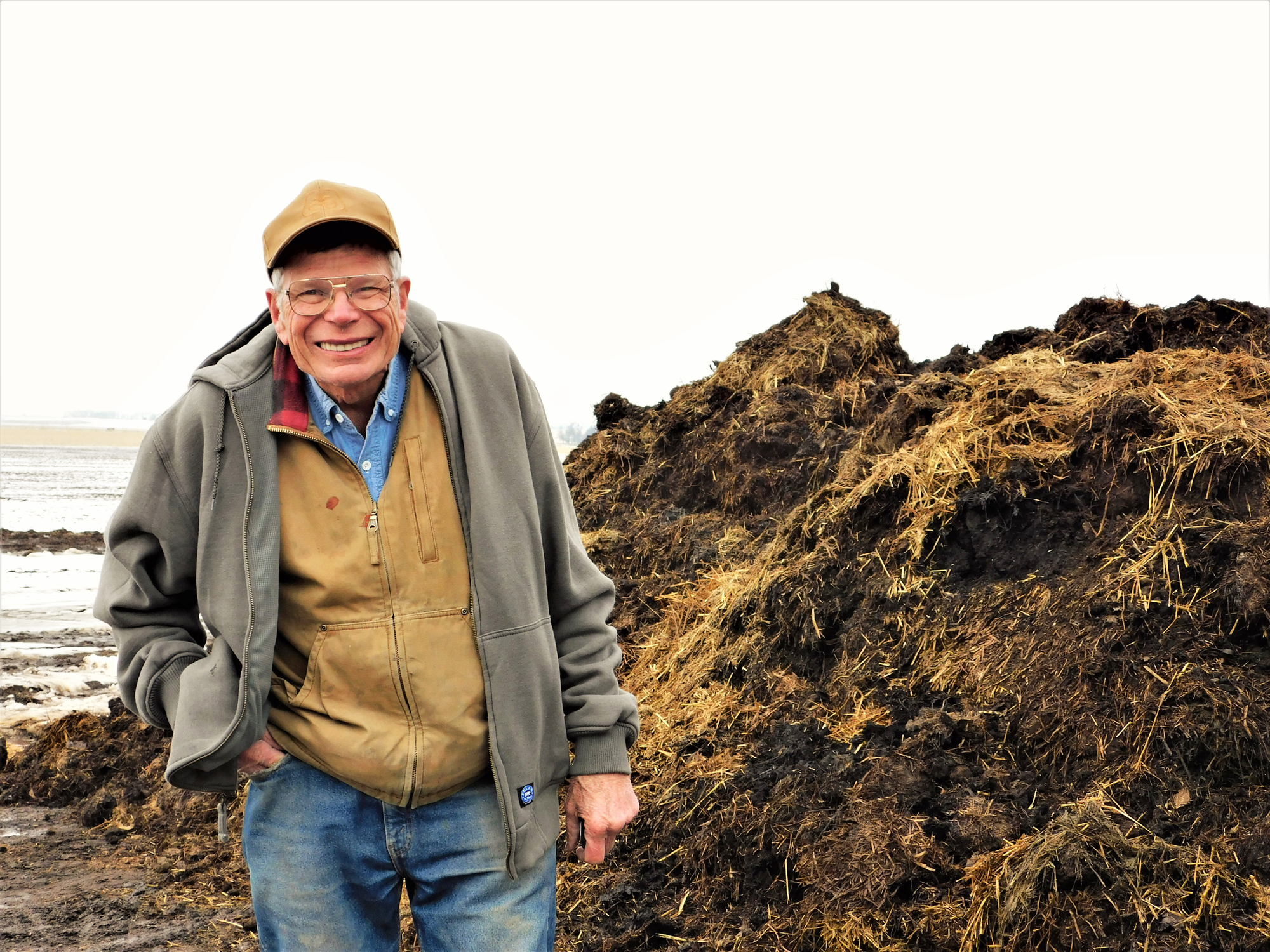
Some people are lucky enough to know exactly what they want to do with their lives. Ben Schole is one of those fortunate few. For him, farming has always been his calling.
The Hooper, Nebraska, native works the land that his father farmed before him—land which has deep roots in their family.
“I always knew I wanted to come back,” he said. “My father retired from farming when he was 73 years old, which gave me the chance to return in 1983. I’ve been farming this land for 35 years, and today, my two sons and their families work the land with me.”
Though he loves farming, Ben hasn’t only focused on agriculture.
Ben se alistó en el Ejército de los Estados Unidos entre 1968 y 1971, y gracias a la Ley de Reajuste para Veteranos (GI Bill) pudo continuar sus estudios en la Universidad Estatal de Colorado. Posteriormente, trabajó durante una década en la Comisión de Caza y Parques de Nebraska como gestor de hábitats de vida silvestre.
Then, the time was right for Ben to return home to the family farm, and pick up where his father left off.
“My dad raised cattle, hogs, and chicken,” Ben said. “When I was in school and working in the wildlife field, I’d come back to help on the farm during harvest and planting.”
Ben runs the operation as closely as possible to the way his father did—the farm is a diversified operation, which is practical for a small family farm.
“I was very fortunate to also have a great mentor in Del Akerlund, an organic farmer from Valley, Nebraska,” Ben said. “Although I never farmed organically, he helped me immensely to be more regenerative.”
The veteran has never taken on more than 400 acres, to keep the farm at a size that is manageable. He owns 220 acres, and he and his sons each rent additional land of their own.
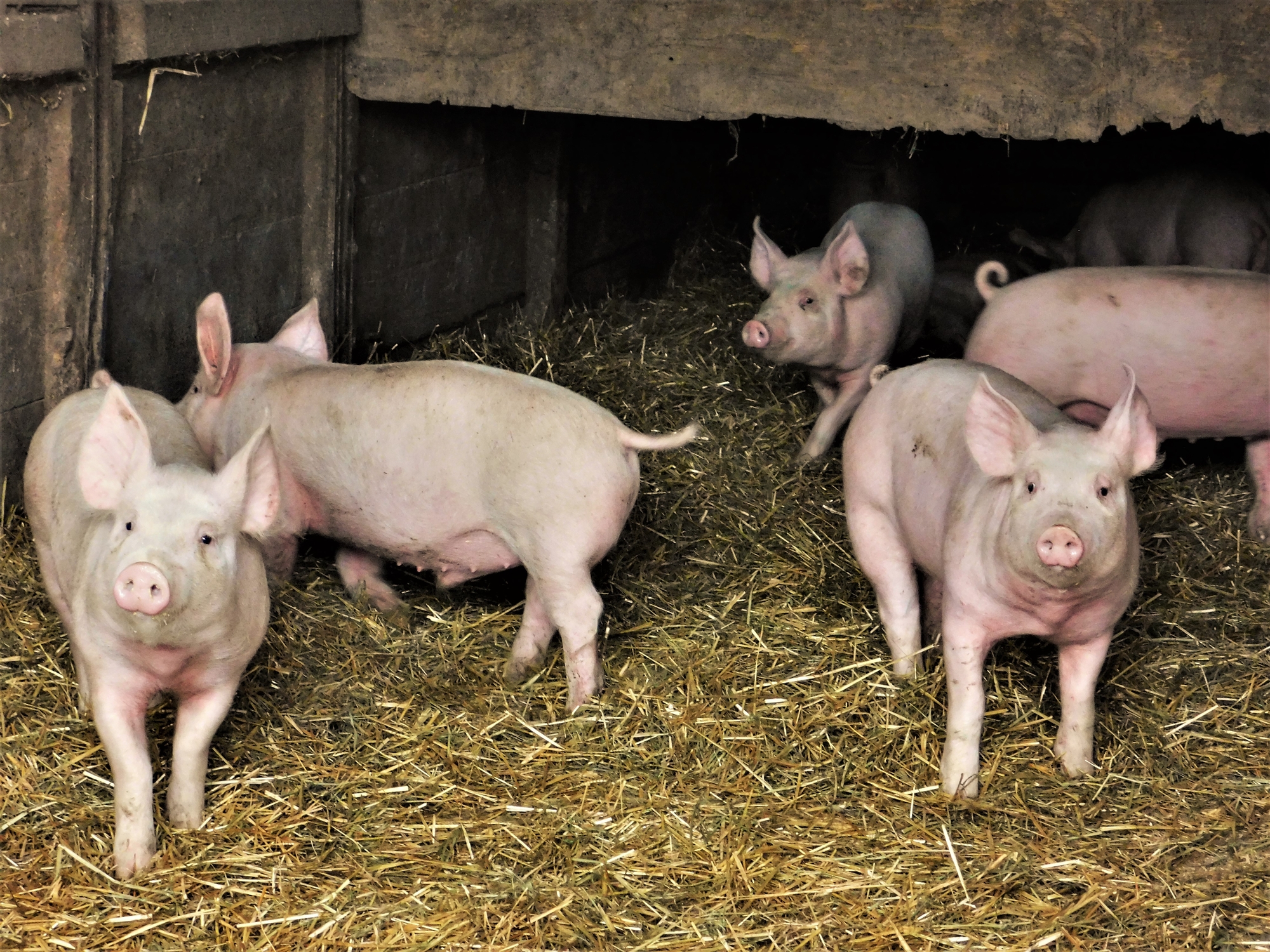
Though they operate on a limited amount of land, Ben’s youngest son brought cattle back to the farm as a way to expand the operation. They currently raise cattle and heritage hogs, as well as grow corn, beans, wheat, alfalfa, and cover crops for grazing. His daughter-in-law also has a small flock of chickens.
Para Ben, la conservación y el trato justo de la tierra son de suma importancia, por lo que utiliza diversos programas como el Programa de Reserva para la Conservación (CRP), el CRP de Humedales y el Programa de Administración de la Conservación (CSP). El restablecimiento de cortavientos, el compostaje de la cama de los cerdos y la aplicación fraccionada de fertilizantes, así como el uso de cultivos de cobertura como nabos, rábanos y avena, garantizan que la tierra se mantenga en óptimas condiciones.
“Having a land ethic is very important,” said Ben. “More and more farmers are learning that what they do to grow crops and livestock affects soil life, ground and surface water, air quality, and total land health. Aldo Leopold addresses this issue in ‘A Sand County Almanac’ stating ‘A thing is right when it tends to preserve the integrity, stability and beauty of the biotic community. A thing is wrong when it tends otherwise.’”
As time has passed, Ben has allowed his sons to take on more and more of the work on the family farm. He offers this advice to anyone beginning in the agriculture industry.
“Find your passion and a mentor,” he said. “Start small and grow gradually—there is a learning curve. If anything can go wrong, it will. And, bring an enterprise into the farming operation instead of just saying ‘we need more acres.’”
Este material se basa en un trabajo financiado por el Servicio de Conservación de Recursos Naturales del USDA, bajo el número 69-3A75-17-46. Las opiniones, hallazgos, conclusiones o recomendaciones expresadas en esta publicación son responsabilidad de los autores y no reflejan necesariamente las del USDA. El USDA es un proveedor y empleador que ofrece igualdad de oportunidades.