Por Lauren Kolojejchick-Kotch, ex miembro del personal.
Al finalizar 2015, el Plan de Energía Limpia se presenta en el Registro Federal. La Cumbre de París sobre el Cambio Climático ha concluido. Y un nuevo año está a punto de comenzar. ¡Qué buen momento para reflexionar sobre el futuro de la energía y hacer balance!
La versión final de la Plan de energía limpia set ambitious goals for many states. For example, here in Nebraska we are tasked with reducing carbon emissions from state power plants by 40%.
For us, like other states, this will mean burning far less coal, because coal emits carbon dioxide into the atmosphere. It will also mean bumping up investments in clean, renewable energy.
Well over half of Nebraska’s electricity generation capacity comes from coal. Sheldon Station accounts for 20% of carbon emissions in Nebraska Public Power District’s footprint. Nebraskans spend $203 per person each year to import coal from Wyoming.
Transitioning away from coal at plants like Sheldon Station not only helps to implement the Clean Power Plan. In place of coal we can invest in clean energy, which gives a boost to our communities.
The Clean Power Plan (CPP), and its Programa de incentivos para la energía limpia (CEIP), is pointing America in the right direction. The incentive program offers matching emissions allowances to help with early investments in renewable energy. It also offers low income energy efficiency incentives. It would reward states like Nebraska for developing largely untapped clean energy potential.
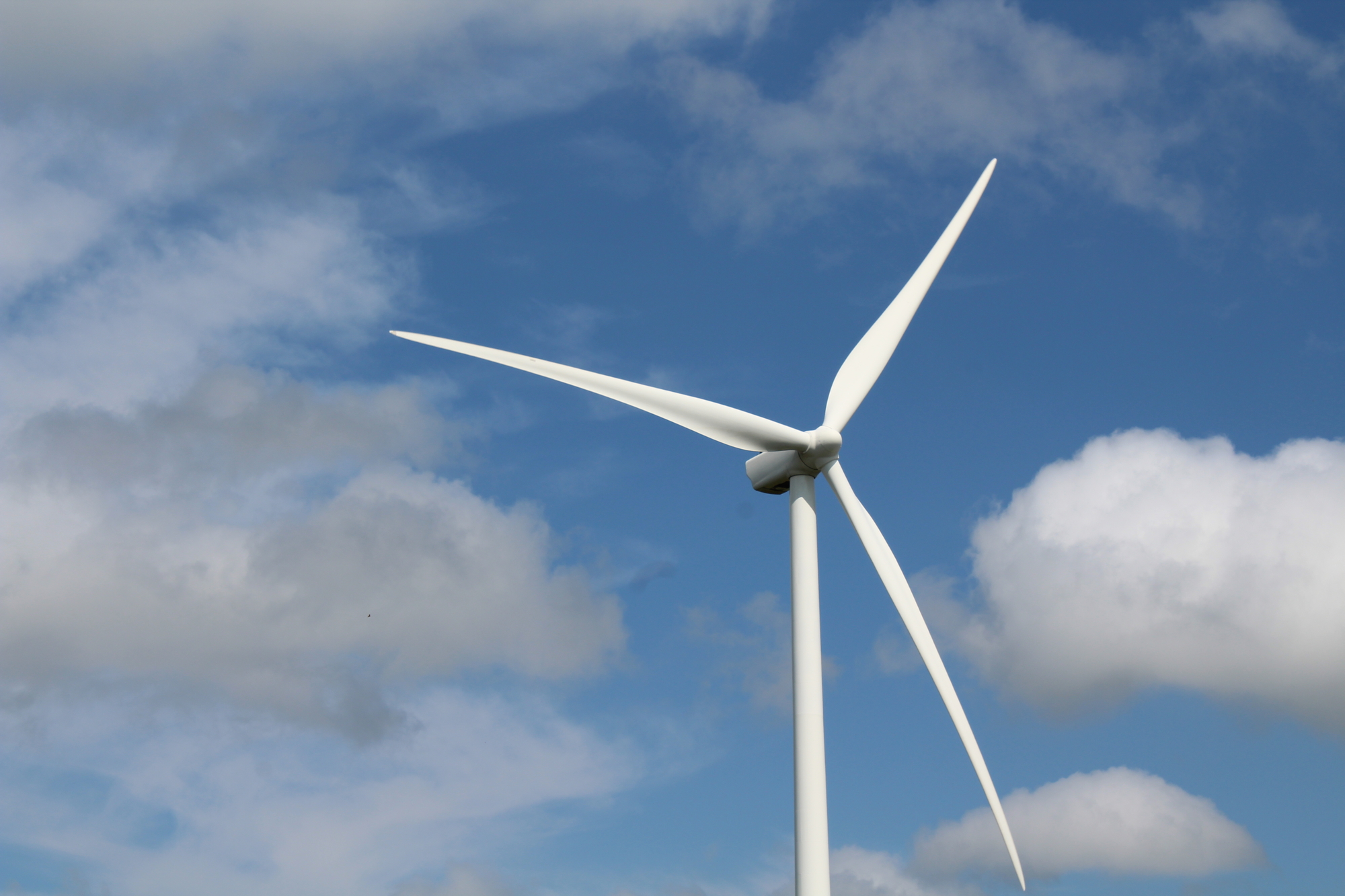
Nebraska has 918 GW of annual wind energy generating potential (118 times our current demand). We rank 4th in the nation for wind development potential. Yet Nebraska ranks 7th nationally for per capita energy consumption. We rank in the bottom third for policies that support energy efficiency for consumers.
Americans have opportunities ahead, but they do not come from importing and burning coal. A standard size wind farms generates $50.14 million in local spending into the local community economy. It adds $4.8 million in Land Lease payments to local landowners.
Nebraska has a great opportunity to create an implementation plan that protects our pocketbooks and builds our state economy. Fellow states are similarly positioned.
El Departamento de Calidad Ambiental de Nebraska (DEQ) is tasked with writing Nebraska’s Clean Power Plan implementation plan. The DEQ will hold a series of stakeholder meetings between January and March of 2016. There will be opportunity to learn more about the CPP, ask questions, and provide your input.
Stay tuned for more details about the meetings. We hope you are interested in participating and learning more about how the Clean Power Plan can benefit your hometown!