Por Kayla Bergman, ex miembro del personal
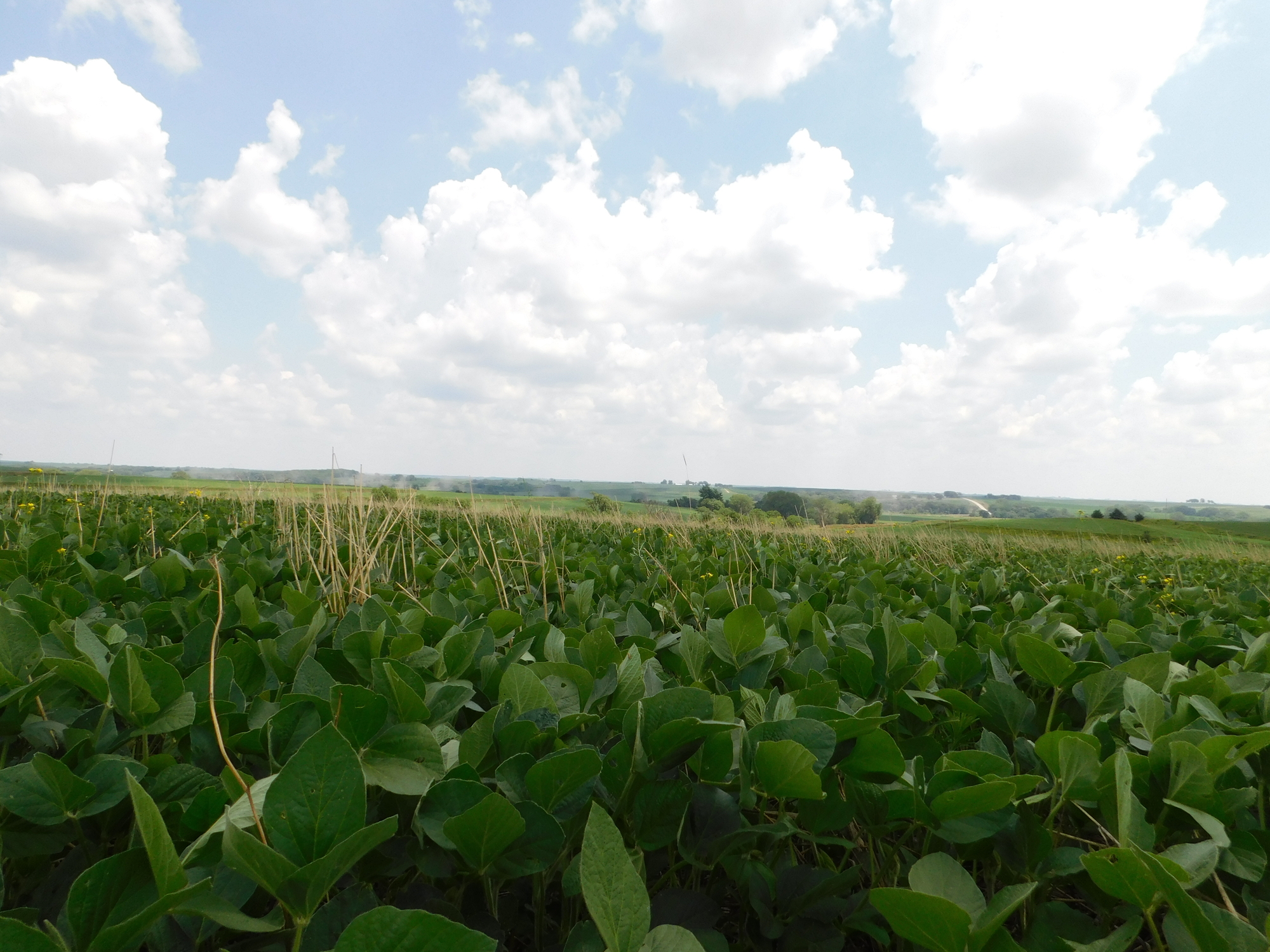
En la región del Medio Oeste, el progreso de la siembra y la emergencia tanto del maíz como de la soja se encuentra actualmente por encima del promedio de los últimos cinco años.
But, still fresh in farmers’ minds is the 2019 planting season, which was severely delayed due to record-breaking precipitation that led to flooded fields and excess soil moisture.
According to USDA National Agricultural Statistics Service (NASS), on June 2, 2019, corn-producing states had completed only 67 percent of planting. In addition, NASS reported the soybean-producing states had only completed 39 percent. This was compared to 96 percent for corn and 79 percent for soybeans, on average.
The increased variation in planting, growing and harvesting conditions due to our changing climate continues to keep farmers’ stress high. Situations that are out of a farmer’s control, such as weather and markets, have caused farmers and ranchers to have the highest rate of suicide of any occupational group, according to the Centers for Disease Control and Prevention.
Climate change leads to an increase in extreme weather and crop-growing conditions — whether it’s an extremely wet year, like 2019, or an extreme drought. It is times like these we are reminded to build our on-farm resiliency.
The Center for Rural Affairs recently published a series of guides on building climate resiliency, with one offering tips and information dedicated to farmers and landowners.
The guide outlines steps to increasing carbon sequestration on farms, including reduced tillage, wetlands and extended rotation. These investments have many co-benefits outlined in the guide, including soil health, water quality and wildlife/pollinator habitat.
Haga clic aquí to find the guide and other climate resources.