Por Lucas Nelsen, ex miembro del personal.
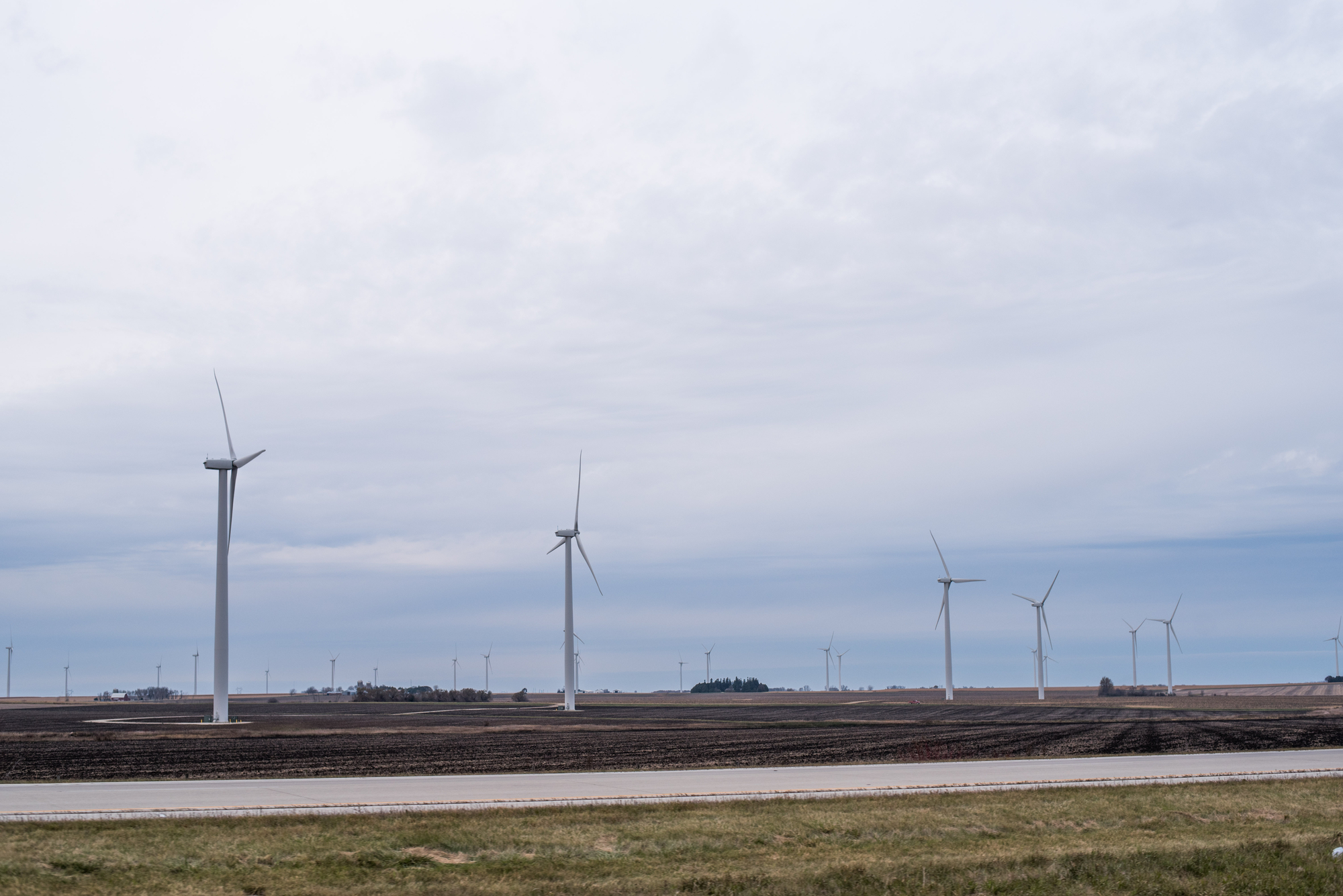
Las Grandes Llanuras son una región con un futuro prometedor en energías renovables, especialmente en zonas rurales con gran acceso a recursos naturales. Los estados con potencial para la energía eólica, como Dakota del Norte, tienen la oportunidad de desarrollar estos recursos y cosechar los beneficios de ser líderes en energías renovables.
In 2017, wind energy accounted for 27 percent of the electricity that was generated in North Dakota, producing 2,996 megawatts of installed capacity from 1,611 turbines. This development directly benefited landowners who hosted turbines, through land lease payments that range from $8,000 to $10,000 per turbine each year—generating an estimated $14.4 million in payments in 2016.
Projects also generate new tax revenue through wind farms that feed back into the local tax base. In 2016, wind energy provided $7.7 million in property tax revenue in the state. That revenue helps boost valuable local services like schools, fire and rescue, and police.
Recent legislation passed by the North Dakota Senate and currently under consideration in the House would change the amount of tax revenue that returns to counties. Senate Bill 2331 would take one-third of the new tax revenue generated by projects built after Dec. 31, 2020, and send it to the state. Additionally, one-third of the revenue from existing projects would be sent to the state once they’ve been in operation for 20 years.
As advancement of renewable energy continues, keeping the benefits of renewable energy development in the communities where projects are located is key to growing the state’s clean energy portfolio.