Por Cody Smith, ex miembro del personal
Our priority issues in Iowa include renewable energy and water quality.
Las novedades relevantes relativas a la legislación prioritaria se comunicarán por correo electrónico.
Visitar cfra.org/registrarse o mándenos un correo electrónico a [email protected] para actualizaciones
¿Qué piensas?
Háganos saber su opinión sobre estas prioridades y cuéntenos sobre otros temas estatales que sean importantes para usted.
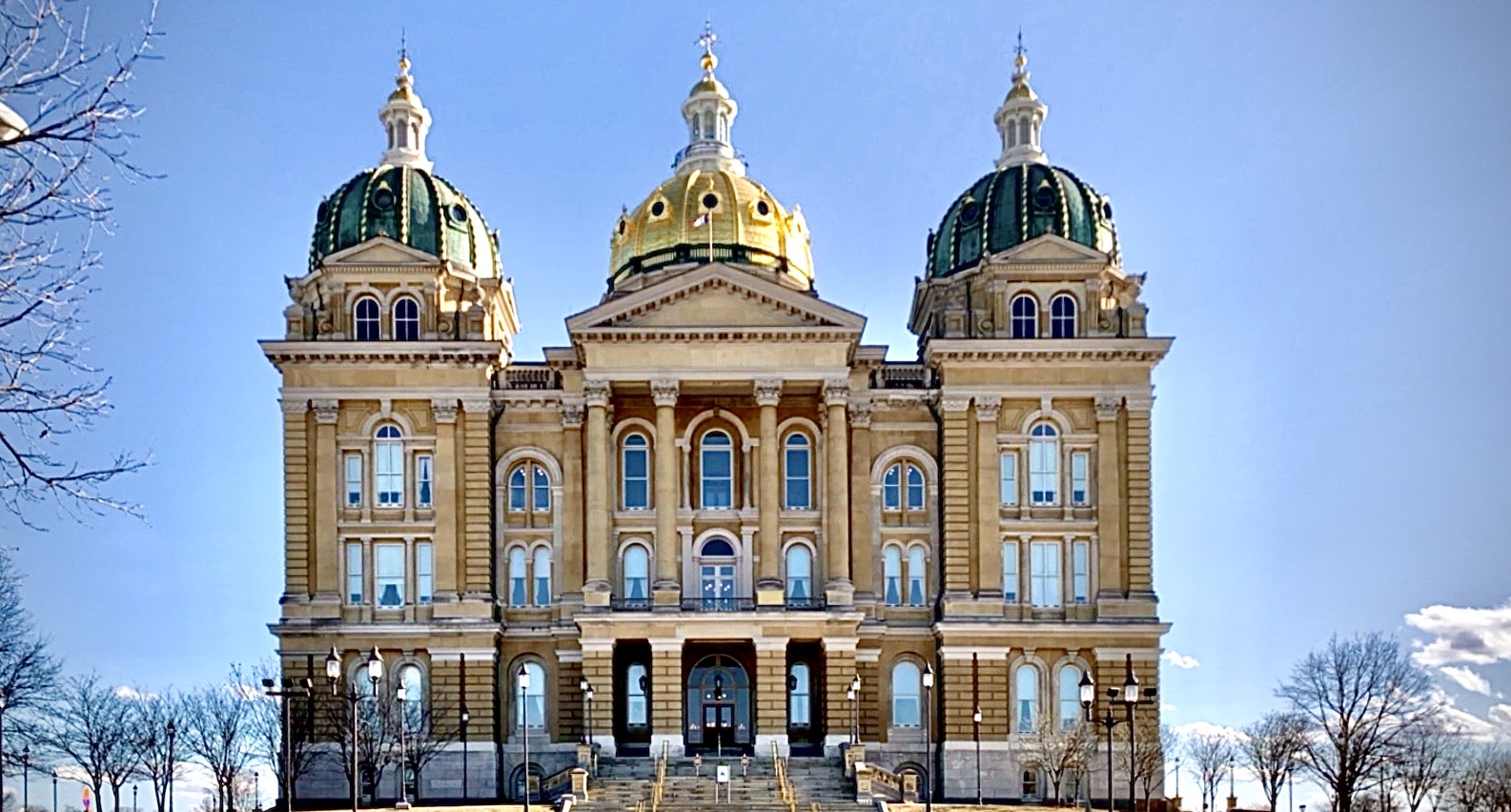
Are you interested in writing a letter to your legislator or even testifying at the state capitol? Let us know.
Energías renovables
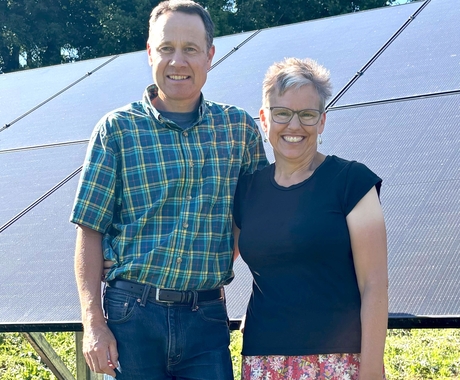
The Iowa Solar Tax Credit helps reduce the pay-back period for both residential and utility-scale customers, making solar energy more financially-viable for consumers. As the law is currently written, it reimburses solar customers at 50 percent of the total federal Investment Tax Credit.
Unfortunately, the tax credit dropped from 30 percent of total project cost to 26 percent in 2020 and will be phased out for residential customers by 2022. The current list of farmers, small business owners, and other solar customers waiting for the Iowa Department of Revenue to approve their solar tax credit will take until 2022 to clear out.
In 2021, we will shift our efforts to promote the decoupling of the Iowa Solar Tax Credit from the federally-controlled Investment Tax Credit to continue facilitate growth and reaffirm Iowa’s commitment to renewable energy.
We will also aim to raise the state-mandated cap of $5 million a year to a level that clears out the years-long waiting list that exists as a result of this limit.
Calidad del agua
In 2010, 63 percent of Iowa voters approved the Natural Resources and Outdoor Recreation Trust Fund, often referred to as Iowa’s Water and Land Legacy or IWILL. As a result, the first three-eighths cent of any sales tax increase must be designated for the fund. The state has not raised its sales tax since, therefore, IWILL has sat unfunded for more than a decade.
In 2020, the governor introduced the Invest in Iowa Act, which proposes to raise the state sales tax by one cent to fund mental health services, reduce income taxes, and allocate the required funding to IWILL. The Center assisted with this proposal by helping to draft the Local Conservation Partnership Program, a new initiative to provide resources for the sustainable funding of watershed coordinators, robust watershed management planning, and locally-directed watershed partnerships.
In 2021, we will continue to work with the governor’s office and legislators to ensure the Local Conservation Partnership Program is introduced, adopted, and funded.