Rea Landholm, gerente de marketing y comunicaciones de marca, [email protected], 402.687.2100 extensión 1025
LYONS, NEBRASKA – Days after the House of Representatives passed its version of the Agriculture and Nutrition Act of 2018, commonly known as the farm bill, rural organizations signed on to a joint letter to the Senate. The group of 23 grantees of the Rural Microentrepreneur Assistance Program (RMAP) endorsed the letter calling on Senators to fund the program in their competing farm bill proposal. The letter asks for a $3 million appropriation in mandatory funding each year.
RMAP provides access to loan capital through grants to organizations that provide training, technical assistance, or small loans to rural businesses nationwide. Since its creation in 2008, the program has helped 2,100 small businesses by creating jobs and expanding consumer access to goods and services in underserved areas.
The Senate passed its farm bill proposal on June 28, 2018, and failed to include funding for RMAP.
Organizations endorsing the letter span 15 states and are engaging Senators as they head to the Joint Conference Committee where a final deal will be reached with the House.
In the letter, supporters wrote, “A small investment in this program in the farm bill makes a big difference. RMAP... is a sound investment in the future of our rural communities.”
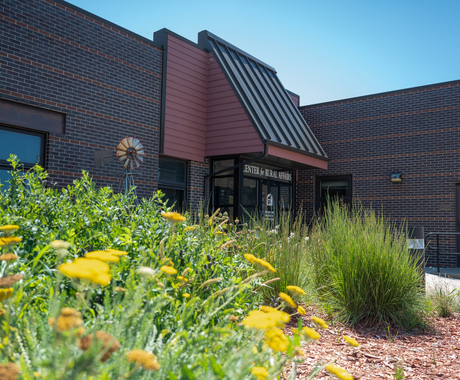
“Rural businesses play an important role in our nation’s economy, and it is critical that Congress supports RMAP with mandatory funding,” said Cora Fox, policy associate at the Center for Rural Affairs, which also endorsed the letter. “Without RMAP, countless small businesses will lose access to funds that make them economic anchors in tens of thousands of rural communities.”
Between 1995 and 2015, many rural banks closed, increasing the percentage of rural areas without a local bank from 12 percent to 32 percent and further restricting access to loans for many small businesses.
“RMAP helps spark innovation and economic activity in rural areas where it is sorely needed,” said Anna Johnson, senior policy associate at the Center for Rural Affairs. “Small scale entrepreneurship is a proven strategy to revitalize rural communities, and RMAP can help create genuine opportunity across rural America with modest public investment.”
La financiación del programa RMAP expirará el 30 de septiembre de 2018, a menos que se renueve en la ley agrícola.
Organizations signing the letter include Arkansas: Communities Unlimited, Inc., Fayetteville; California: California FarmLink, Santa Cruz; Feed the Hunger Foundation, San Francisco; Jefferson Economic Development Institute, Mount Shasta; Terra Green Community Development Corporation, Alameda; Colorado: Corporación de Desarrollo de Vivienda y Recursos Comunitarios, Westminster; Idaho: Asociación de Desarrollo Económico de Clearwater, Lewiston; Kentucky: Corporación de Emprendimientos Comunitarios, Lexington; Maine: Community Concepts Finance Corporation, Lewiston; MaineStream Finance, Bangor; Northern Maine Development Commission, Caribou; Maryland: Centro de Emprendimiento de Eastern Shore, Easton; Massachusetts: Corporación de Desarrollo Comunitario del Valle de Quaboag, Ware; Michigan: Iniciativas del Norte, Marquette; Montana: MoFi, Missoula; Nebraska: Center for Rural Affairs, Lyons; First Ponca Financial, Grand Island; Nueva Jersey: Corporación Cooperativa de Asistencia Empresarial, Camden; Oregón: Klamath Lake Regional Housing Center (KLRHC), Klamath Falls; Pennsylvania: Fondo Community First, Lancaster; Dakota del Sur: Glacial Lakes Area Development, Britton; Lakota Funds, Kyle; Washington: Seattle Economic Development Fund dba Business Impact NW, Seattle.