
Por Mike Moen, Servicio Público de Noticias - Iowa
La cosecha de otoño en Iowa ya está en marcha, y algunos agricultores reportan rendimientos mejores de lo esperado. Sin embargo, otros siguen preocupados por las pérdidas relacionadas con la sequía, y los defensores de los cultivos de cobertura afirman que las condiciones actuales podrían considerarse una oportunidad, tanto para las tierras de los productores como para el clima.
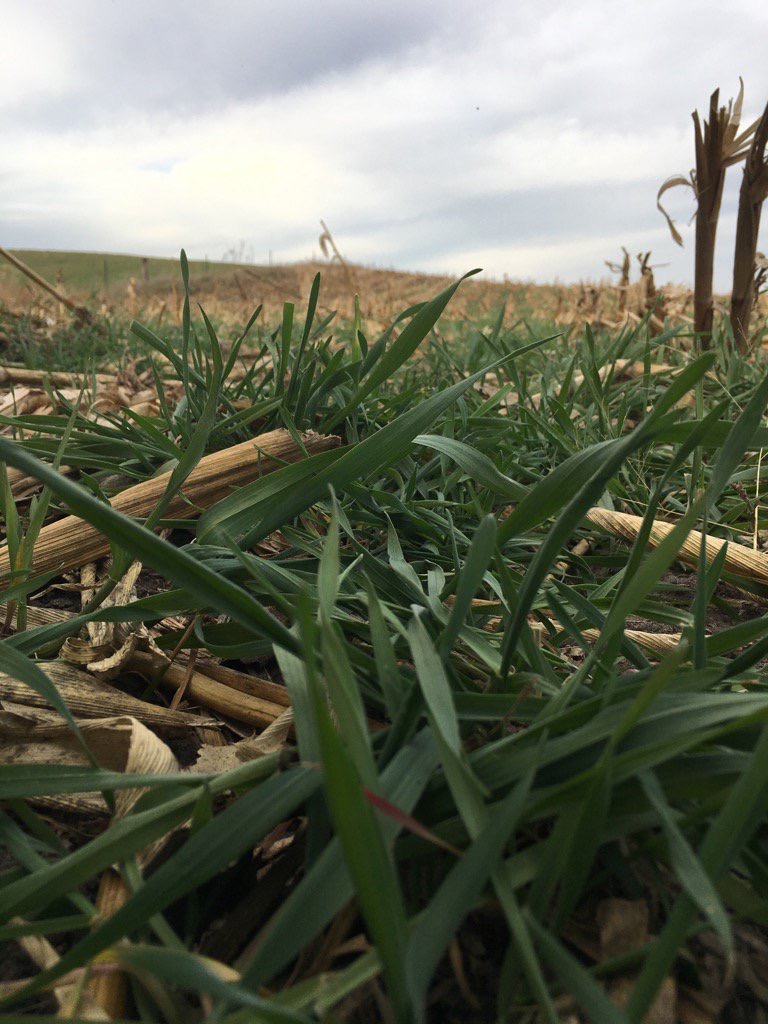
State agriculture officials expect mixed results from this year's harvest, with a dry summer and a recent batch of rain. Either way, said Ruth McCabe, a Heartland Cooperative conservation agronomist, an extended warm stretch in October means farmers are moving fast in the fields. She said they should have plenty of time to plant cover crops, which can help build soil health while reducing harmful runoff.
"That's always been the real hurdle in the past," she said, "is that, especially the further north you go, you get your crops harvested - and by the time you've got your crops harvested, it's cold and wet, and maybe snowy."
This year, McCabe said, farmers have more time to consider practices to improve their land's health, and the flexibility allows them to be more selective about which cover crops work best for their operation. Iowa farmers planted more than 2 million acres of cover crops in 2019, accounting for only 8% of the state's cropland.
Supporters of cover-cropping say the figures underscore the need to get more farmers to take advantage of state and federal cost-share programs. With upfront investments still a barrier, said Kayla Bergman, a Center for Rural Affairs policy associate, the aid can help farms of all sizes make climate-friendly choices without losing their shirts.
"No matter how small or how large your farming operation is," she said, "cover crops, for example - along with other conservation practices - are certainly viable for any operation size."
As land gets healthier, she said, farmers could see more consistent yields, improving their bottom line. And with increased awareness about the connection between farm runoff and water pollution in Iowa, the group said cover crops are an important tool to prevent excess phosphorus and nitrates from reaching rivers and streams.