Si bien todos hemos hecho lo posible por mantenernos sanos y seguros durante la pandemia del coronavirus, las comunidades rurales han superado los desafíos que se les han impuesto durante este tiempo sin precedentes y han demostrado lo que significa la verdadera fortaleza y la determinación: unirse para asegurarse de que los vecinos, amigos y familiares estén seguros, bien alimentados y atendidos.
One sector—rural grocery stores—has stepped up to provide for their customers.
During the onslaught of new restrictions and regulations, people started panic buying, resulting in many stores often being unable to keep products on their shelves. Rural grocers asked for more frequent deliveries and limited purchases of those high in-demand items, sharing photos of full shelves, meats, toilet paper, and other items.
Some of these small business owners were able to add conveniences such as free deliveries, curbside services, and implemented additional precautions visible inside the store, such as plastic shields, around the cashiers.
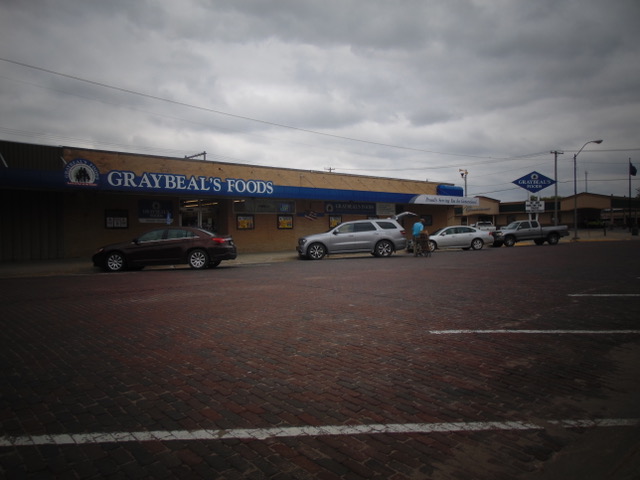
Mike Graybeal, owner of Graybeal’s Foods in West Point, Nebraska (population 3,364), has kept his shelves stocked and has seen more traffic. “It's almost like when we prep for a holiday, except the holiday is never coming,” he said.
Mike, and other rural grocers, continue to show up every day for their customers to provide us with the essentials we depend on. Resiliency in a time of crisis has become a way of life, and these business owners take on whatever roles necessary to get the job done, including potentially putting themselves in harm's way.
Rural grocers have been able to serve their communities in a way that their big box counterparts cannot. Right now, it is making me want to be very intentional about putting my money in my local grocers' hands as much as possible, and continue to be mindful of this in the future.