Por Traci Bruckner, ex miembro del personal
El 23 de marzo, el Centro de Asuntos Rurales, junto con Mike Duffy, profesor emérito de Economía de la Universidad Estatal de Iowa, publicó un informe que analiza el impacto que tienen los seguros agrícolas subvencionados en el valor de la tierra.
Farmers have told us the program was helping mega-farmers outbid beginning, and small and mid-sized farmers on farmland, putting upward pressure on land values. We decided to investigate. And to explore the impact subsidized crop insurance places on land values, we worked with Mike Duffy, Professor Emeritus of Economics, Iowa State University. The result is "Impacto del seguro de cosechas en el valor de la tierra."
Bill Furlong, a farmer from Iowa City, Iowa, said, "My greatest concerns are whether unlimited crop insurance subsidies interfere with smaller farmers and beginning farmers getting access to land affordably. And whether the way in which crop insurance programs work undermine our nation’s collective efforts to conserve our soil and water. I’ve seen and heard about things happening with crop insurance here in the Midwest for years that make me believe those concerns are well-founded.”
Duffy’s research shows that subsidized crop insurance indeed has an impact on land values. He identifies a couple of ways the program impacts land values.
La primera es la subvención de la prima del seguro. Duffy señala que la prima que pagan los agricultores no es la prima actuarialmente correcta, sino la prima menos una subvención del gobierno. Esta subvención es un beneficio que recibe el agricultor.
En segundo lugar, el seguro de cosechas reduce el riesgo de pérdida de ingresos asociado a la producción agrícola, ya sea por la pérdida de ingresos o por la pérdida de la cosecha. Esta reducción del riesgo aporta valor porque los rendimientos futuros no son tan inciertos como lo serían sin el seguro de cosechas.
Duffy utilizó datos disponibles de la Agencia de Gestión de Riesgos (RMA) del USDA para examinar si los programas federales de seguro de cosechas influyen en el valor de la tierra según el monto del subsidio y la reducción del riesgo. La RMA proporciona resúmenes detallados de sus operaciones a nivel nacional, por cultivo, por estado y por año, desde 1989. Para este estudio, utilizó Iowa como ejemplo.
These findings demonstrate that subsidies have value to producers, and some of those subsidies get bid into land costs. When those subsidies also serve to reduce risk, they have an even greater value than the subsidy alone.
While we agree that federal crop insurance is an important tool in the risk management toolbox, we can recognize it drives up production costs by increasing the cost of land. The net effect is to prop up the nation’s largest and wealthiest farms, often at the expense of smaller farms.
The full report also examines the impact crop insurance subsidies have on cash rental rates.
We intend to use this analysis to further our efforts to come up with policy reforms that will ensure federal crop insurance programs work in the best interest of small and mid-sized family farms. These are the people those who oppose reform often suggest the program is designed to benefit. We beg to differ. And we know that the nation needs reform that targets the root of the problems created by unlimited crop insurance premium subsidies.
Puede descarga el informe aquí.
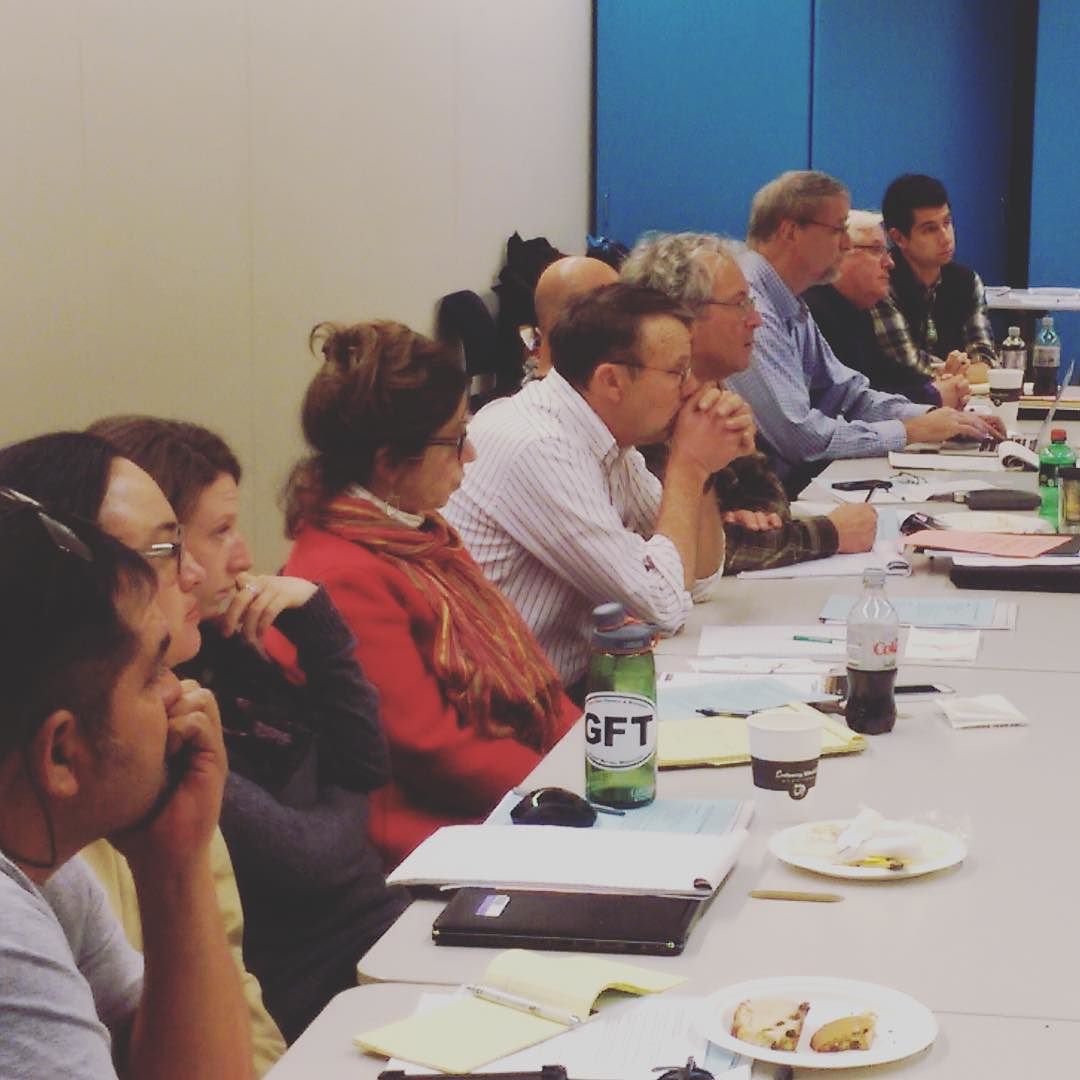
Feature image: A packed room is filled with farmers and representatives of farm, rural, and conservation organizations. They gathered in Des Moines, Iowa, last December to talk about crop insurance reform. | Photo by John Crabtree