Por Justin Carter, ex miembro del personal
En todo el país, el 42 por ciento de las escuelas han contribuido con 789 millones de dólares a la alimentación local a través de programas que conectan las granjas con las escuelas.
This October marks the eighth annual National Farm to School Month, a time to recognize the importance of improving child nutrition, to support local economies, and to educate communities about the origins of their food.
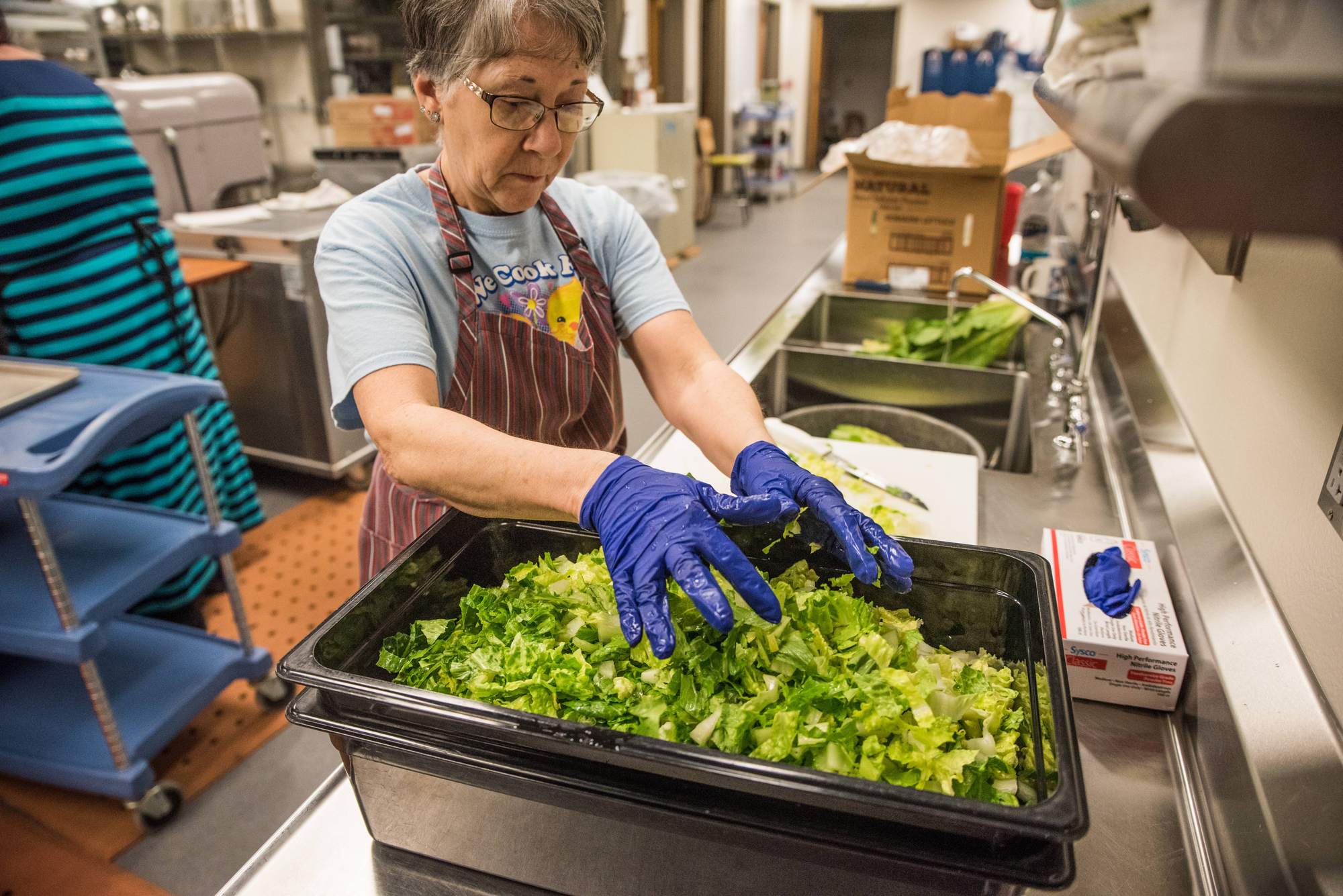
In the U.S., 23.6 million students have become engaged in programs such as school gardening, locally-sourced lunches, and sustainable agriculture education. These hands-on activities have turned pulling weeds and snapping beans into math and science lessons.
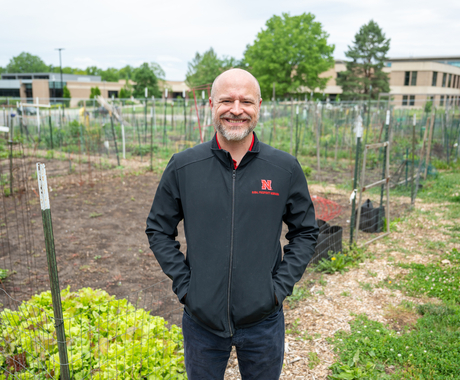
For example, through Nebraska’s Greenhouse to Cafeteria program, schools offer programs that teach students valuable technical skills while producing food for their own lunches. One student commented, “We brag at lunch that we took care of their food. It’s great seeing something you did.”
According to the 2015 U.S. Department of Agriculture Farm to School Census, programs have offered 17,089 salad bars with healthy options; and grown 7,101 school gardens. Approximately 1,039 school districts serve local foods during the peak season in the summer months and 1,516 school districts start farm to school early in their pre-K programs.
The numbers don’t lie. Farm to school is a win for students, farm, food businesses, and communities. For more information, visit cfra.org/f2s.
To learn about the U.S. Department of Agriculture Regional Crunch Off on Oct. 24 in the states of Colorado, Iowa, Kansas, Missouri, Montana, Nebraska, North Dakota, South Dakota, Utah, and Wyoming, haz clic aquí..