Por Justin Carter, ex miembro del personal
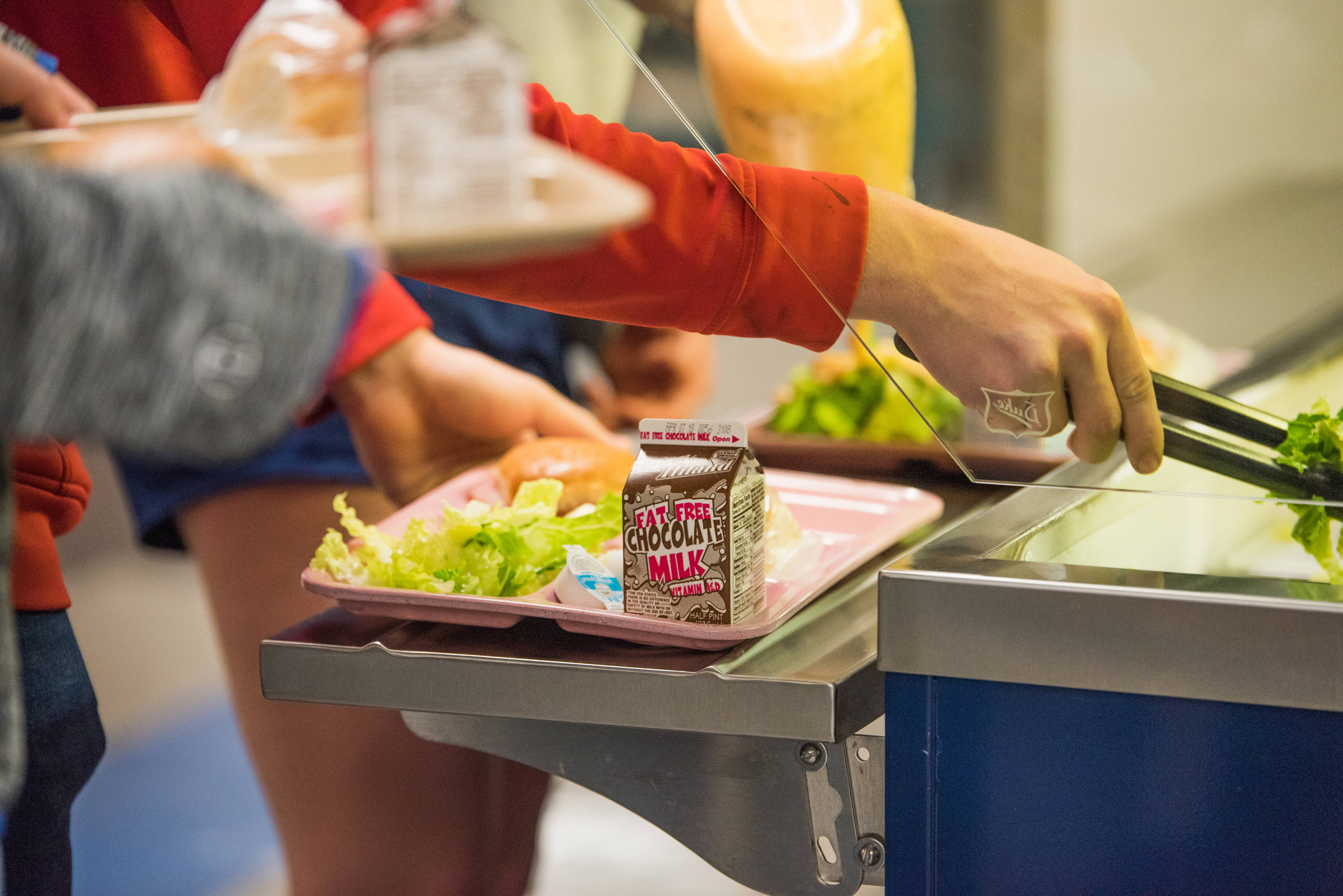
Pocas veces consideramos las posibilidades que surgen de la cafetería de una escuela.
Most of the time, they’re places where students enjoy a break, eat a meal, and socialize with friends. The cafeteria is, absolutely, all of these things, but it’s also much more as many groups are realizing. Our school cafeterias can be transformed into both the largest classrooms and restaurants in the nation.
Desde el agricultor hasta el maestro y el director de servicio de alimentos de la escuela, los programas de la granja a la escuela son una red de partes interesadas y cada una ofrece una experiencia única para beneficiar la salud y la educación de nuestros estudiantes.
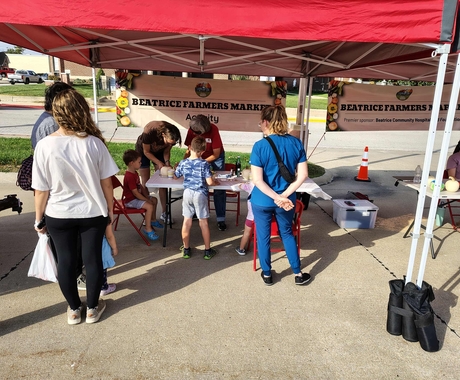
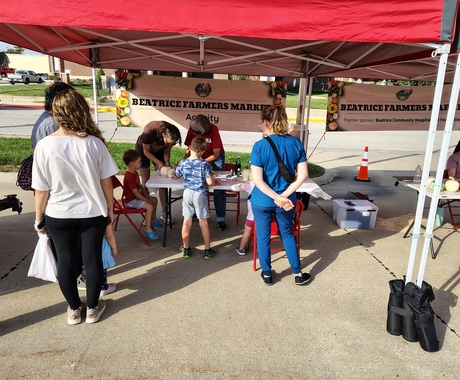
Across the country, we are seeing more partnerships form as students sell garden harvest in local farmers markets and local farmers allow students to grow seedlings in their greenhouses. Food service directors and farmers are realizing that few barriers exist to prevent the purchase of local food.
El factor más importante es a menudo la relación que se establece entre la escuela y el agricultor. No solo tienen que ser verduras, la carne de res local se ha vuelto más accesible y popular.
As we move into a new school year, there are many ways to get involved. October is Farm to School Month and many districts will be hosting activities. In our home state of Nebraska, many schools participate in a Crunch Off, a competition to get the largest number of students to crunch into fresh fruits and vegetables.
For resources on bringing farm to school to your community, follow the Center for Rural Affairs and the National Farm to School Network.