Por Jordan Feyerherm, ex miembro del personal
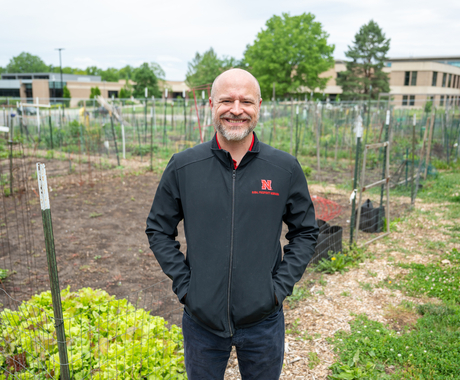
A space that was once home to grass and weeds is now a burgeoning field of fresh crops.
Este es el segundo año que el Centro de Asuntos Rurales trabaja para establecer un huerto comunitario en la Clínica Comunitaria Third City en Grand Island, Nebraska. Juntos, en colaboración con CHI Health St. Francis y Central Community College, hemos logrado transformar un terreno que de otro modo estaría sin uso en un huerto urbano.
Gardeners have had such bountiful yields, a literal cornucopia of produce resides in the clinic office free to any patients wanting to bring home fresh fruits and vegetables. The basket is always full in the clinic waiting room. This garden not only supplements the food budget of gardeners and clinic patients, but also serves as an oasis to bees and other beneficial insects without the addition of harmful chemicals into the environment. (The food budget refers to people’s monthly expenses on produce. This food supplements their food budget by reducing the amount they need to purchase from stores.)
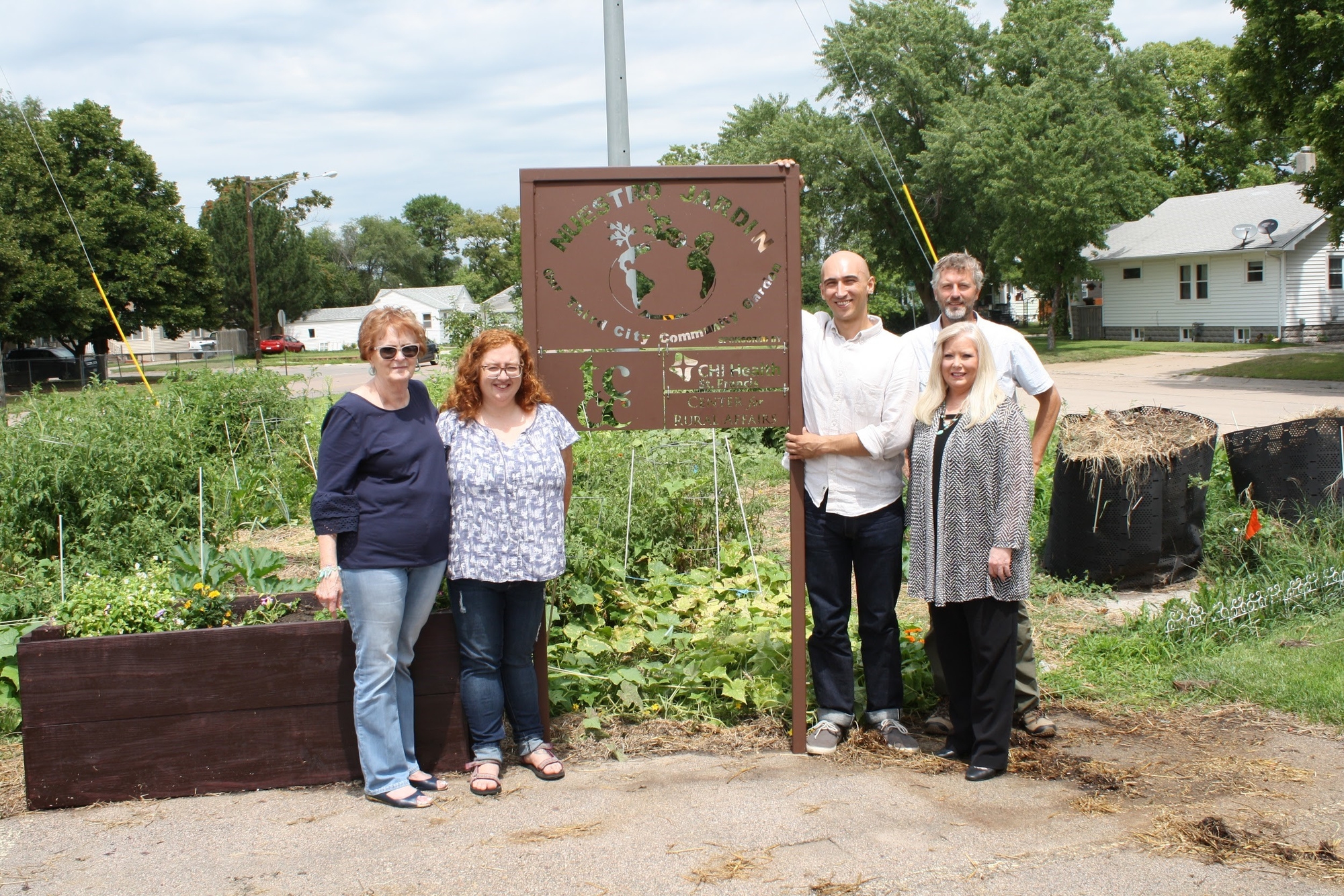
Since work began two years ago, the garden has changed dramatically. Through a sustainable no-till, organic-only approach, we utilized practices such as sheet mulching and ground cover to keep weeds at bay. A large patch of pollinator flowers increases produce yields and plant health. Border fencing was added to improve the aesthetics of the garden, a fully stocked tool shed was made available for all gardeners to use, and a custom sign was designed, built, and donated by Central Community College to celebrate the space.
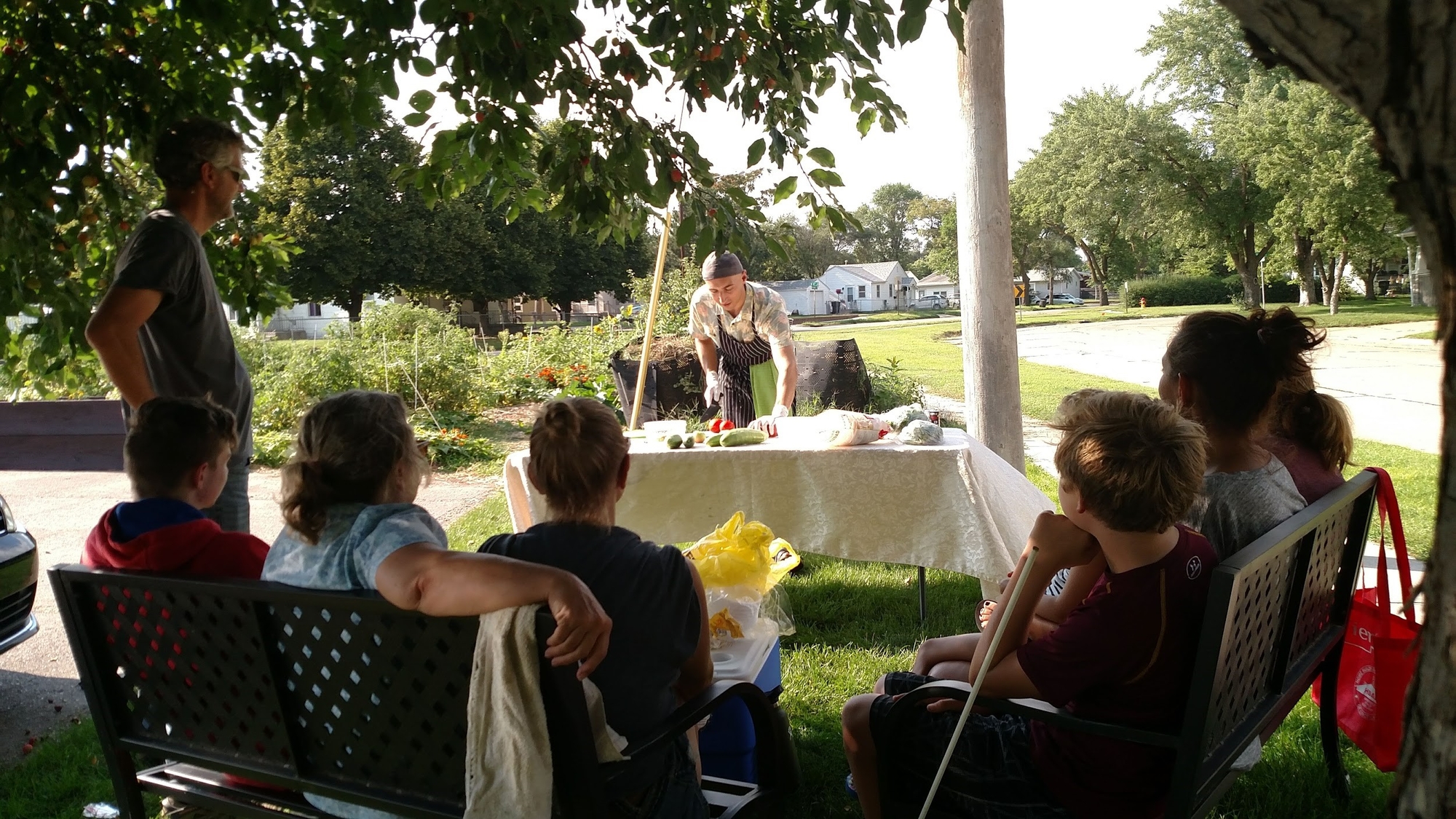
In addition to the tasty produce, Center staff also provides monthly garden classes at no charge to the whole community. These sessions are focused on teaching tips and tricks to maintain garden health, and how to best cook, preserve, and utilize the crops. Each class is based on what is happening in the garden at the time, addressing seasonal pests, seasonal produce, and planning ahead to maintain year-round success.
This project proves that a garden provides numerous benefits besides food. People from diverse backgrounds work together, share tips and stories, and grow closer as a community. What may be an unfamiliar plant to some, is a taste of home to someone else. As the roots grow deeper, so do the bonds between gardeners, and sense of community overall.