Por John Crabtree, antiguo miembro del personal.
Los días 7 y 8 de diciembre tuvo lugar una reunión histórica en Des Moines, Iowa. No fue histórica por la presencia de miles de personas, ni por la fama de los asistentes. En general, no había nadie mucho más famoso (o infame, según se mire) que yo.
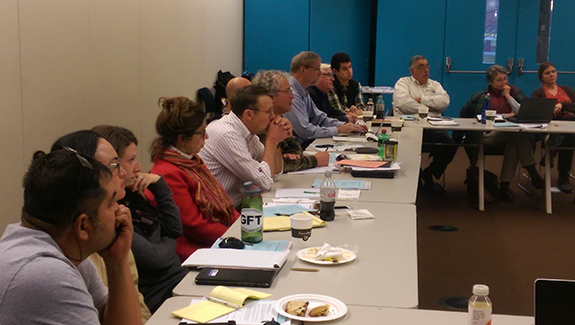
On those unseasonably warm December days, about 25 farmers and representatives of farm, rural, and conservation organizations gathered to discuss the need for reforming federal crop insurance policies, and to plan a campaign to achieve those reforms.
Farmers from Iowa, Minnesota, South Dakota, and North Carolina attended. As always, their experiences with crop insurance, on the ground, and their genuine desire to see concerns about the program addressed were invaluable.
During discussions about the need for caps on crop insurance subsidies, Bill Furlong, a mid-sized farmer from Iowa City, Iowa, revealed that, according to the numbers he got by calling his crop insurance agent (during a break in the meeting no less), while his farm is not large, in some years he would have been impacted by the cap on subsidies under discussion.
Bill has been a good friend of the Center for Rural Affairs for years, and I invited him to this meeting for a reason. But I must admit I held my breath for a moment waiting to hear what he might say next. True to form for Bill, he said, “and that proves that it would work.”
With that one sentence, Bill demonstrated the commonsense that most farmers possess on this issue. In order for a cap on crop insurance subsidies to keep large farms from using the largesse of unlimited subsidies to expand even further and, in the process, drive their smaller neighbors out of farming, it has to actually impact someone.
We’ve had conversations about reforming crop insurance with other rural organizations and with farmers for some time now. At this meeting, that circle grew considerably. The Center for Rural Affairs, Proyecto de custodia de la tierra, Rural Advancement Foundation International, y Coalición Nacional de Agricultura Sostenible – four organizations that have been at the heart of building this campaign for reform heretofore – were joined by five more organizations, including our good friends at Acción Rural de Dakota y conectar Isaak Walton League of Minnesota. And again, the added perspectives on conservation, beginning farmers, and many other issues were priceless.
I believe this meeting sowed the seeds for writing a different history for American farm and rural policy, and I was thrilled, honored and humbled to have been a part of it.