Casi todas las semanas leo nuevas estadísticas sorprendentes sobre la concentración de capital.
The eight richest people in the world control as much capital as half the world’s population. The richest 158 families in the United States were the source of more than 50 percent of early cash in the last presidential campaign cycle.
In a world where fewer individuals control more capital, efforts to rebalance the scales of capital become increasingly important. At the Center, we attack this problem through public policy and by operating a revolving loan pool to finance small businesses in rural Nebraska.
Through our lending program, the Center makes small business loans to rural people who cannot access capital elsewhere. Our borrowers often have poor (or no) credit history, are start-up businesses without a track record, or lack traditional collateral that a bank requires.
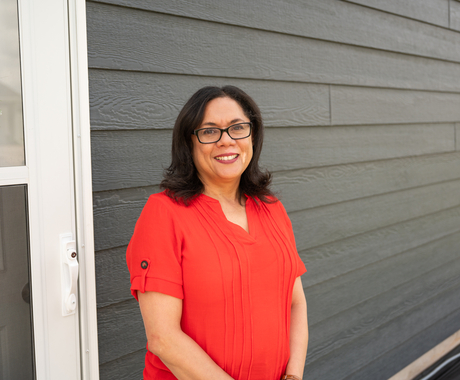
Ana Gonzalez, who dreamed of starting her own business, is one such borrower. The Center assisted with a loan, training, and hands-on help to get her business started. We have placed more than 1,300 of these loans.
Ser propietario de un negocio sigue siendo una de las principales maneras para que las personas acumulen patrimonio con el tiempo. Cada préstamo para pequeñas empresas que gestionamos representa una oportunidad para reequilibrar la balanza del capital.
En todo el país, existe una importante necesidad insatisfecha de financiación alternativa como la nuestra. Nos enfrentamos a un mundo donde las instituciones financieras tradicionales están fallando a demasiadas personas. Una red nacional de prestamistas sin fines de lucro y orientados a la comunidad está dando un paso al frente para cubrir estas necesidades.
Each loan — and each nonprofit lender — may seem small relative to the challenge of capital concentration. But mission-driven and community-oriented control of capital will be a key strategy to help rural people build a future for themselves and their communities.