By Cora Fox, former staff member
Daniels Produce found Whole Farm Revenue Protection to be an answer to a problem many diversified producers face: the inability to receive crop insurance coverage for a variety of crops they grow. With the help of their crop insurance agent, Daniels Produce is now able to insure all of their crops – minimizing risk and providing greater security within their farming operation.
Farmers manage risk
Farming involves risk from weather, prices, and a host of other sources. Many farmers are able to manage some of that risk with crop insurance. Until recently, crop insurance hasn’t been available to every farmer. Prior to 2014, many diversified farmers and ranchers were unable to insure their fruits, vegetables, or livestock because individual insurance plans were either too costly or did not exist for that crop in their area. This changed in 2014 when Whole Farm Revenue Protection became available.
What is Whole Farm Revenue Protection?
The majority of crop insurance in the United States covers just four crops: corn, soybeans, wheat, and cotton. For producers of other commodities — such as peppers and squash — insurance coverage has been limited. Whole Farm Revenue Protection is a crop insurance product that allows a farmer or rancher to insure the entire revenue for their operation, covering the revenue of those other commodities.
Owners of diversified operations can use Whole Farm Revenue Protection as an alternative or in combination with Multi-Peril Crop Insurance or other individualized crop insurance plans, as it allows farmers and ranchers to insure commodities they couldn’t insure before – small grains crop, fruits and vegetables, even livestock – as long as there is a history of revenue.
Daniels Produce insures veggies
Daniels Produce is owned and operated by Andy and Tannie Daniels in Columbus, Nebraska, and is the culmination of more than four decades of hard work and ingenuity.
The operation grows almost 600 acres of fresh market vegetables including sweet corn, cucumbers, zucchini, cabbage, peppers, squash, and more. The fresh produce is sold through farmers markets, produce vendors, and grocery stores throughout Nebr-aska, Kansas, Missouri, Texas, and Florida.
Like many other farmers, the Daniels family felt existing crop insurance options weren’t fitting the unique needs of their operation.
Whole Farm Revenue Protection was the right fit for Daniels Produce because of the highly diversified nature of their operation. They had previously found it difficult to find crop insurance policies that fit their operation and provided adequate coverage in case of hail, drought, or any other natural disaster that would cause yield loss.
Though the Noninsured Crop Disaster Assistance Program was available, the Daniels did not feel the basic coverage, similar to that of catastrophic level of insurance coverage, was the right option for their operation. The Noninsured Crop Disaster Assistance Program provides coverage for 50 to 65 percent of production on the farm, as opposed to Whole Farm Revenue Protection, which provides coverage levels between 50 and 85 percent.
Daniels Produce qualified for the highest subsidy level with Whole Farm Revenue Protection due to their highly diversified operation that exceeds the three-commodity minimum.
Whole Farm Revenue Protection is a viable insurance option for many farmers and ranchers in Nebraska, like the Daniels family, and across the United States. It is important producers are aware of all crop insurance options and have the choice to determine what product best suits their individual needs.
Can your operation benefit?
To learn more about the program and determine if it is a fit for you, visit our Crop Insurance Resources page.
Whole Farm Revenue Protection was authorized by the 2014 farm bill. The Center for Rural Affairs supported this change to make crop insurance more widely available to diversified farms. If you are interested in learning how you can support this and other risk management options for diversified farmers, get in touch with us.
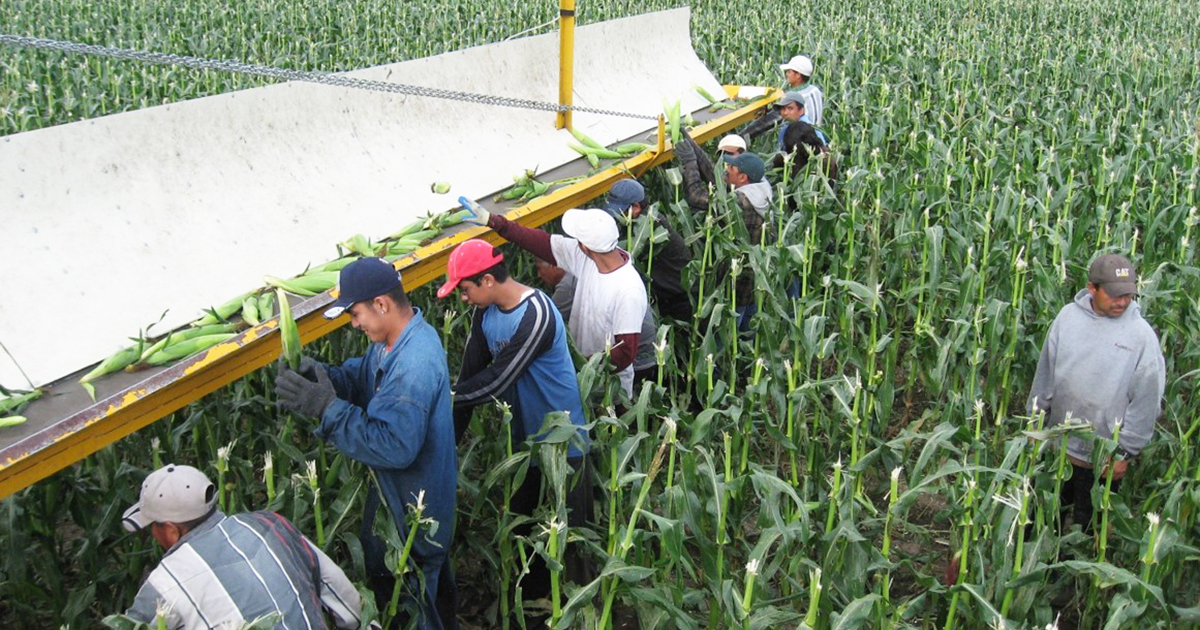
Feature photo: Daniels Produce workers harvest sweet corn to be sold at farmers markets and grocery stores. Owners of Daniels Produce use Whole Farm Revenue Protection to insure revenue from crops that are not covered under traditional crop insurance. | Photo submitted