

What's happening with the Center for Rural Affairs? Find the latest on rural America and our work here.
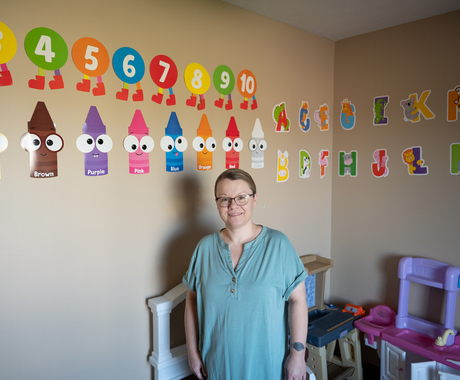
Melissa Trejo Sorahan no se dio cuenta de la gran necesidad que existía de contar con más centros de cuidado infantil en Grand Island, Nebraska, hasta que tuvo que buscar uno para su propio hijo. Melissa, auxiliar de enfermería certificada y asistente de administración de medicamentos, trabajó en el sector de la salud durante años. Cuando estaba embarazada de su hijo menor, comprobó de primera mano lo difícil que resultaba encontrarun servicio de cuidado infantil de calidad que estuviera disponible durante los turnos nocturnos que con frecuencia debía trabajar en hogares de ancianos.
- Lending
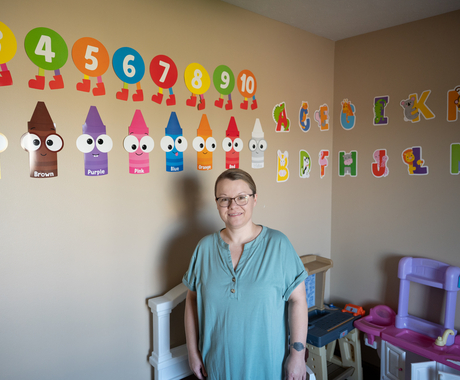
Para la versión en español, haga clic aquí. Melissa Trejo Sorahan didn’t realize Grand Island, Nebraska, had such a large need for more child care centers until she had to find one for her own child...
- Lending
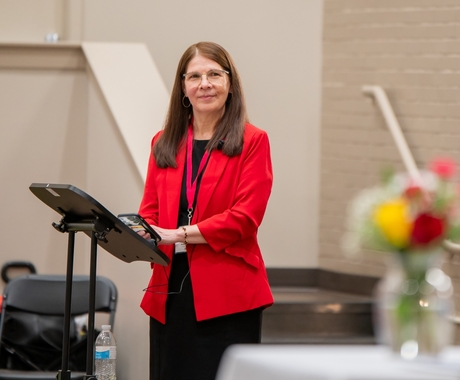
Center for Rural Affairs donors provide both funding and inspiration to move our work forward. A native of Mexico, Adriana Dungan has worked with the Center as a business development consultant, and...
- Small Towns
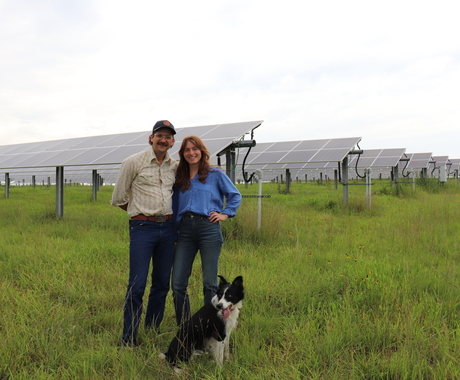
Across Minnesota, farmers, landowners, and rural communities are taking a closer look at how solar development can work alongside agriculture instead of competing with it. Agrivoltaics, or dual-use solar, is growing interest as people look for ways to keep land productive, support conservation, and create new opportunities. Agrivoltaics includes beneficial practices such as growing crops beneath panels, grazing livestock on solar sites, and the inclusion of pollinator habitat.
- Policy
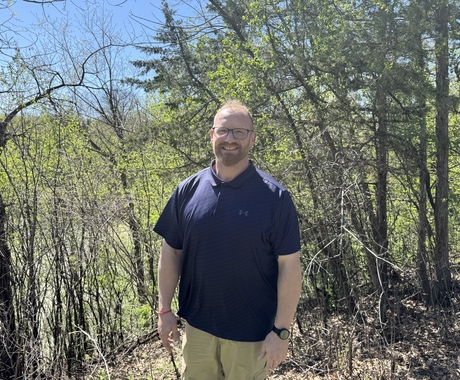
Rooted in the river: Adam Sears brings a watershed-wide vision to Clear Lake and the Winnebago River
For nearly two decades, Adam Sears has dedicated his career to conservation across northern Iowa, managing public lands, restoring habitat, and overseeing educational programs through his past work with Cerro Gordo County Conservation and Floyd County Conservation. Now, he has taken on a new role as the Clear Lake and Winnebago River Watershed Coordinator, where he will lead efforts to protect and improve the region’s water resources.
- Policy
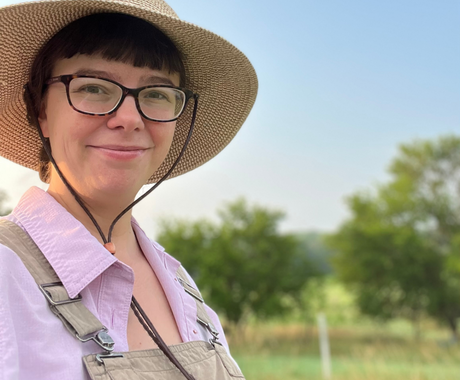
Skylar Falter was exposed to new information about the impact of industrial agriculture on both the environment and food systems while in college, and it made her see food and land in a whole new...
- Farm and Food
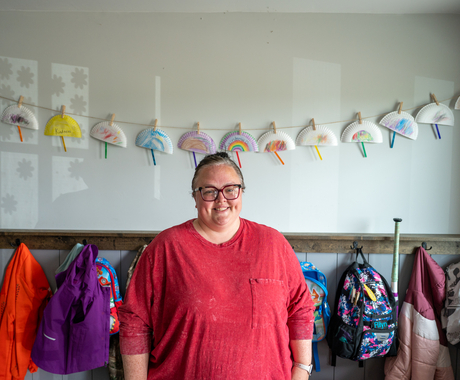
Like many working parents in rural areas, Sami Powell faced a tough problem. “I was essentially working just to pay for child care,” said Sami, owner of Powell Pack Daycare LLC in Kenesaw, Nebraska.
- Lending

Como muchos padres que trabajan en zonas rurales, Sami Powell enfrentó un problema difícil. “Básicamente estaba trabajando solo para pagar el cuidado infantil”, dijo Sami, propietaria de Powell Pack Daycare en Kenesaw, Nebraska. “Simplemente no valía la pena para mí cuando podía estar en casa con mis hijos tiempo completo… Al principio decidí abrir una guardería en casa porque era muy caro enviar a mis propios hijos a una guardería”.
- Lending
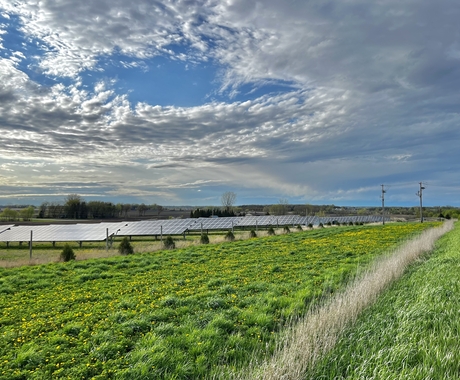
Renewable energy development is growing rapidly in rural communities. According to the U.S. Department of Agriculture Economic Research Service, 70% of U.S. solar built from 2009 to 2020 was in rural...
- Policy

From the pastures of central Nebraska to the halls of the Unicameral, Al Davis has been connected to the Center’s work for more than 50 years. A rancher from Hyannis, Nebraska, who also has an...
- Small Towns
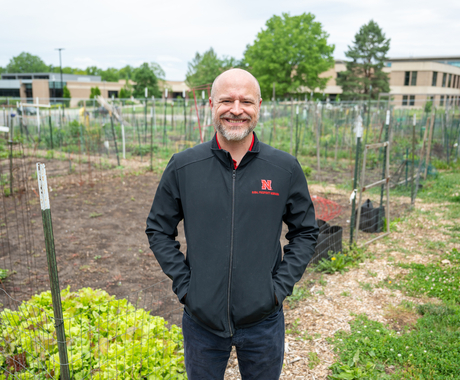
A Nebraska native, Ben Jewell has a vision for his home state: He wants to help revitalize rural communities through local food. Ben has dedicated more than a decade to strengthening local and...
- Small Towns
- Farm and Food
Rural communities looking to improve electricity reliability and affordability may be eligible for support through the Community Microgrid Assistance Partnership (C-MAP).
- Policy
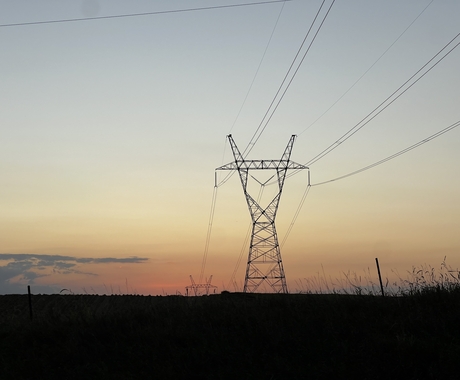
In Minnesota, aging transmission infrastructure has been battered by severe weather, including windstorms, tornadoes, and extreme winter events. Rising electricity demand is pushing the system even further.
- Policy
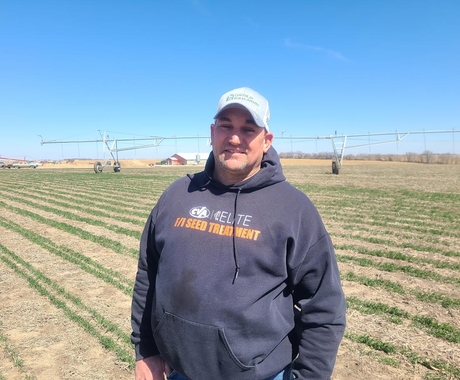
For Greg Keller, the decision to adopt conservation practices on his 1,000-acre farm near Monroe, Nebraska, in central Nebraska, was born out of a pragmatic struggle against erosion. Faced with...
- Policy
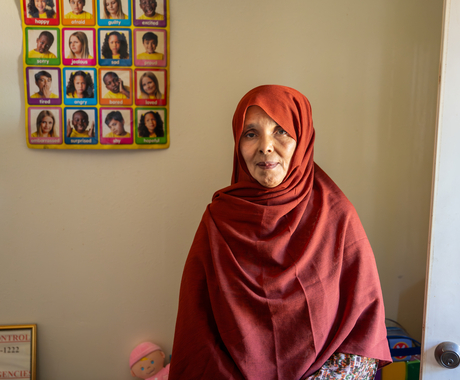
Huda Hirsi has long dreamed of living in a safe place and working to support her loved ones. With sponsorship from her sister, Huda and her family were able to come to the U.S. from Somalia in 2007. The refugees began their life in the U.S. in Maine. Huda struggled to find a job because of the language barrier, but it didn’t stop her from getting involved in the community.
- Lending
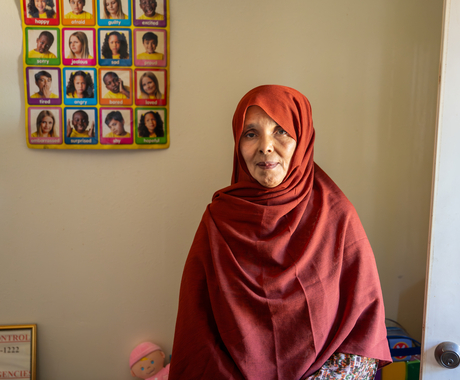
Huda Hirsi siempre ha soñado con vivir en un lugar seguro y trabajar para apoyar a sus seres queridos. Gracias al patrocinio de su hermana, Huda y su familia pudieron llegar a los Estados Unidos desde Somalia en 2007. Como refugiados, comenzaron su nueva vida en los Estados Unidos en Maine. Huda enfrentó dificultades para encontrar trabajo debido a la barrera del idioma, pero eso no le impidió involucrarse en su comunidad.
- Lending
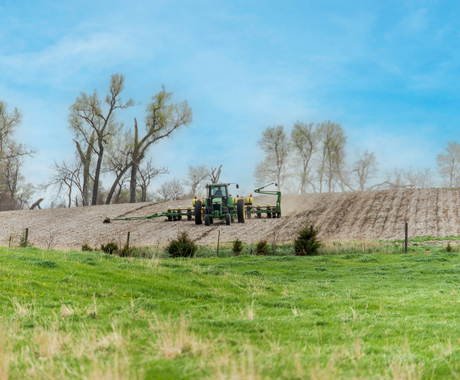
Farmers, ranchers, and landowners are invited to participate in a new survey exploring how federal program and policy changes are affecting their operations. Since early 2025, the federal...
- Policy

Legislators continue to work hard to pass bills before session ends on May 18. With a split House and near split Senate, bipartisan support is crucial to push legislation past the finish line.
- Policy

Los últimos cinco años han estado llenos de oportunidades emocionantes para Tony y Amber Ellsworth, propietarios de Ellsworth Crossing, en Waterloo, Nebraska. Con apoyo financiero del Center for Rural Affairs, la pareja pudo adquirir un negocio existente e inaugurar Ellsworth Crossing, un “mercado de la granja a la mesa”, en septiembre de 2021.
- Lending
- Small Towns
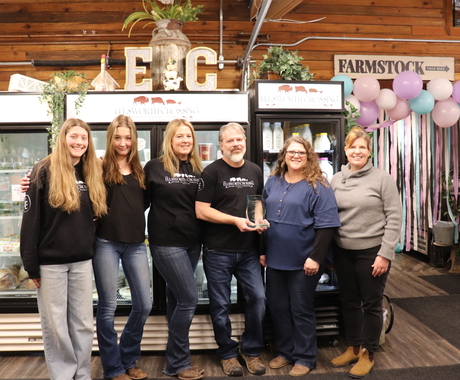
The past five years have been full of exciting opportunities for Tony and Amber Ellsworth, owners of Ellsworth Crossing, in Waterloo, Nebraska. With financial assistance from the Center for Rural Affairs, the couple was able purchase an existing business and open Ellsworth Crossing, a “farm-to-fork market,” in September 2021.
- Lending
- Small Towns