केट ह्यान्सन द्वारा, पूर्व कर्मचारी सदस्य
हामी २०२३ आयोवा विधायिका सत्रको आधा बाटोमा छौं, तर राज्यका सांसदहरूको लागि धेरै काम बाँकी छ। अनुमानित अन्तिम दिन अप्रिल २८ हो।
Last Friday, March 3, was the first funnel deadline, by which bills needed to pass through committees in their own chambers to remain viable. There are some exemptions to the funnel, such as budget and government oversight items.
We were glad to see many of our priorities remain viable. They include bills relating to water quality funding, local foods, and a requirement for electric transmission line applications to include an agricultural land restoration plan.
There were also a number of bills we opposed that did not advance—including a bill calling for statewide siting standards for solar development on agricultural land, and another outlining statewide siting standards for wind energy.
Finally, we were encouraged to see हाउस फाइल (HF) 282, relating to soil health, not only pass the funnel, but the entire House by a vote of 95-0 on Feb. 22. It is now in the Senate and has been assigned a subcommittee.
यदि तपाईंसँग कुनै प्रश्नहरू छन् वा तपाईंका लागि महत्त्वपूर्ण ग्रामीण समस्याहरू साझा गर्न चाहनुहुन्छ भने, कृपया मलाई सम्पर्क गर्न नहिचकिचाउनुहोस् [ईमेल सुरक्षित] वा 515.215.1294।
आफ्नो ग्रामीण आवाज सुनाउनु भएकोमा धन्यवाद।
पानीको गुणस्तर
सिनेट फाइल (SF) 311/हाउस फाइल (HF) 277-का लागि: Proposed by the Iowa Department of Agriculture and Land Stewardship, this legislation relates to programs and regulations administered and enforced by the department. It encompasses multiple content areas, including water quality. Division IV of the bill would allow Water Quality Initiative funding in an urban account to be moved to an agriculture projects account at the department’s discretion. It is our understanding that in past years, funding has been left over in the urban account, even after all eligible applications were funded. We see this proposal as an opportunity to maximize the impact and availability of state funds directed to water quality. Watershed Management Authorities often use these funds to implement key conservation and flood mitigation projects in their area.
In the House, this legislation passed its committee on Feb. 13 and was referred to the Ways and Means Committee. There, its subcommittee recommended passage on March 1. In the Senate, it passed the Agriculture Committee on Feb. 15 and was placed on the Senate calendar. Both bills remain viable.
सिनेट अध्ययन विधेयक (SSB) 1052/HF १००-का लागि: यी बिलहरूले निश्चित काउन्टी बाढी न्यूनीकरण गतिविधिहरूलाई आवश्यक काउन्टी उद्देश्यका रूपमा तोकेका छन्। विशेष गरी, कानूनले बाढी मैदानहरूको पुन: जडान, र सिमसार क्षेत्र र अक्सबो ताल पुनर्स्थापनाको नाम दिन्छ। SSB 1052 जनवरीको मध्यमा प्रस्तुत गरिएको थियो, र फेब्रुअरीको अन्तमा सदनमा यसको साथी, HF 448 पनि प्रस्तुत गरिएको थियो। In the Senate and House, subcommittees for the bills recommended their passage on Jan. 23 and Feb. 28, respectively. Unfortunately, neither of these bills cleared the funnel and are no longer viable.
SF २- अनुगमन: In its first iteration as SF 34, this bill would have prohibited counties and cities from adopting, enforcing, or otherwise administering regulations on stormwater that exceed or conflict with federal regulations. In the amendment process, the bill evolved, and now relates to regulation of top soil and storm water at construction sites. SF 455 was approved by its committee on Feb. 28 and placed on the Senate calendar. It remains viable.
HF १००-का लागि: रिप. चार्ल्स इसेनहार्टद्वारा प्रस्तुत गरिएको, यस कानूनले प्राकृतिक स्रोत र बाहिरी मनोरञ्जन ट्रस्ट कोषलाई IWILL भनेर पनि चिनिन्छ, राज्यको बिक्री करलाई 6% बाट 6.375% मा 2026 सम्म बढाएर। यस्तो कार्यले संरक्षणको लागि नयाँ कोष सिर्जना गर्नेछ। आयोवाको वाटरशेड व्यवस्थापन प्राधिकरणहरू सहित राज्यभरका प्रयासहरू। The bill was introduced on Feb. 21 and referred to Ways and Means. It was not susceptible to the funnel deadline and remains viable.
नवीकरणीय ऊर्जा
SF २/SSB 1201-का लागि: These pieces of legislation contain the same language and were introduced by Sen. Annette Sweeney in different committees. The bills require that an application to build electric transmission lines submitted to the Iowa Utilities Board (IUB) must include an agricultural land restoration plan for the construction of the line. A unique plan would be made with each landowner and property to fully restore the land of any damage caused during construction. The legislation would set a standard for land restoration for all future transmission infrastructure buildout. Formerly SF 428, the legislation passed out of the Senate Commerce Committee on March 2 with an amendment. It was subsequently renumbered to SF 532 and remains viable. SSB 1201 was introduced in the Natural Resources Committee and passed out of its subcommittee, but did not clear the funnel and is no longer viable.
SF २-का लागि: Introduced by Sen. Mike Klemisch, this bill would create a shared solar net metering cooperative. It would allow for virtual net-metering of community solar for behind-the-meter facilities of one megawatt or less and allows for up to 10 investors. It also allows Iowa farmers, school districts, businesses, cities, and counties with solar arrays in multiple locations to consolidate their multiple meters onto one virtual meter. This bill would save Iowans on their electricity bills by crediting the customer for excess energy produced proportional to the size of the investors solar subscription and would open up investment in a local and renewable source of energy to more Iowans. The legislation was filed in the Commerce Committee and assigned a subcommittee, but the subcommittee ultimately did not meet. Unfortunately, this bill did not clear the funnel.
SSB 1149 - अनिश्चित: Introduced by Senate Commerce Committee Chair Waylon Brown, this bill would incentivize battery storage development by updating the Iowa public utility regulatory code. The bill was filed in the Senate Commerce Committee, and a subcommittee recommended its passage on Feb. 15, but it did not clear the funnel and is no longer viable.
SSB 1077- विरुद्ध: Introduced by Chair Dawn Driscoll in the Senate Agriculture Committee, this bill would create statewide siting standards for solar development on agricultural land, unless the land is at least 150 feet from the nearest adjacent landowner and 1,200 feet from the nearest residence or livestock facility. The Center opposes the legislation because it sets unworkable siting standards and removes local control. Our staff provided a verbal comment during the subcommittee meeting and advocated for an alternative approach of स्वैच्छिक साइटिङ म्याट्रिक्स लागू गर्दै. The bill’s subcommittee met on Jan. 30 and recommended an amendment and passage. The legislation did not clear the funnel and is no longer viable.
SF २/HF १००- विरुद्ध: This bill would remove a requirement placed on public utilities that own electric generation facilities fueled by coal to file biannual updates to their plan and budget for managing regulated emissions. Instead, the legislation would allow the affected utilities to have the sole discretion in filing updates to this plan, which would reduce oversight from the IUB to control the cost to ratepayers. On Feb. 15, HF 248 passed the House by a vote of 75-24. It was subsequently sent to the Senate and attached to SF 198, which passed out of its committee in early February. The legislation remains viable.
SSB 1059-का लागि: सिनेट वाणिज्य समितिका अध्यक्ष वेलन ब्राउन द्वारा प्रस्तुत गरिएको, यो बिलले SF 198 को रूपमा समान खण्ड र प्रक्रियालाई सम्बोधन गर्दछ, तथापि, यसले सबै सार्वजनिक उपयोगिताहरूलाई आवश्यक छ जसको स्वामित्वमा विद्युत उत्पादन सुविधाहरू छन्। यसले एक एकीकृत स्रोत योजनाको थप सुविधा पनि दिन्छ जुन IUB मा द्विवार्षिक रूपमा दायर गरिनेछ। यसले उपयोगितालाई माग पूरा गर्न प्रयोग गरिने अनुमानित स्रोतहरू, त्यो ऊर्जाको स्रोत, कम लागतको रणनीतिहरू, र वैकल्पिक योजना परिदृश्यहरू रिपोर्ट गर्न बाध्य पार्छ। यदि SF 198 पारित हुन्छ भने, यसले यो विधेयक विवादित बनाउँछ। विधेयक सिनेट वाणिज्य समितिमा पठाइएको थियो र उपसमितिलाई तोकिएको थियो। On Jan. 25, the bill was tabled until a future meeting. Due to the funnel, it is no longer viable.
SF २- विरुद्ध: सेन. ब्राड जौन द्वारा प्रस्तुत गरिएको, यो बिलले पवन ऊर्जा प्रणालीहरूको लागि राज्यव्यापी साइटिङ मानक सिर्जना गर्नेछ जसमा अवस्थित गैर-सहभागी घरहरू र सम्पत्ति रेखाहरूबाट न्यूनतम 5,000 फिटको दूरी समावेश छ। विधेयकले काउन्टी सरकारहरूबाट स्थानीय नियन्त्रण हटाउनेछ र ग्रामीण समुदायहरूको लागि आर्थिक अवसरहरू सीमित गर्दै एक अकार्यक्षम अवरोध मानक सिर्जना गर्नेछ। The legislation was filed in the Senate Commerce Committee and assigned to a subcommittee, but did not clear the funnel and is no longer viable.
SF २ - अनिश्चित: सिनेट वाणिज्य समितिका अध्यक्ष वेलन ब्राउनद्वारा प्रस्तुत गरिएको यो बिलले काउन्टी वा सहरले ऊर्जा स्रोतमा उपभोक्ताको पहुँचलाई सीमित गर्ने वा बिक्री वा उत्पादन र पूर्वाधारमा प्रतिबन्ध लगाउने अध्यादेश, गति, संकल्प वा संशोधन अपनाउन सक्दैन भनी बताउँछ। उपभोक्ता पहुँच प्रदान गर्न आवश्यक छ। कुनै पनि प्रकारको जीवाश्म ईन्धन, हाइड्रोजन, प्राकृतिक ग्यास, र सवारी साधन चार्ज गर्न प्रयोग हुने बिजुली सहित इन्जिन सञ्चालन गर्न प्रयोग गरिने कुनै पनि इन्धन वा शक्तिको स्रोतलाई ऊर्जा स्रोत भनिन्छ। Formerly SSB 1085, the bill’s subcommittee recommended its passage on Feb. 7 and it was renumbered. It passed out of the Senate Commerce Committee on Feb. 23 and subsequently passed the Senate on March 6 by a vote of 41-6.
अन्य ब्याज बिलहरू
HF १००-का लागि: प्रतिनिधि नोर्लिन मोम्सेन द्वारा प्रस्तुत गरिएको र हाउस एग्रीकल्चर कमिटीमा पठाइएको, यो कानूनले आयोवा राज्य संहिताको माटो र पानी संरक्षण अध्यायमा अद्यावधिक गर्नेछ। विधेयकले माटो र जल संरक्षण जिल्लाहरूलाई माटोको स्वास्थ्यलाई प्राथमिकता दिई आफ्नो क्षेत्राधिकारभित्र पानीको गुणस्तर संरक्षण आयोजनाहरू सञ्चालन गरेर आफ्नो कार्यक्षेत्र फराकिलो बनाउन अनुमति दिनेछ। यसले माटो र पानी संरक्षण जिल्लाहरूलाई यी परियोजनाहरूलाई आर्थिक सहयोग गर्न निजी निकायसँग साझेदारी गर्न अनुमति दिनेछ।
केन्द्रका कर्मचारीहरूले बिलको सुधारका लागि सिफारिसहरू प्रदान गरे, जसमा घुमाउरो चरन र विस्तारित बाली रोटेशन समावेश गर्न संरक्षण अभ्यासहरूको सूचीमा थपियो। यो भाषा हालको संस्करणमा समावेश गरिएको थियो। This bill passed the House by a vote of 95-0 on Feb. 22. It has been assigned a subcommittee in the Senate, and remains viable.
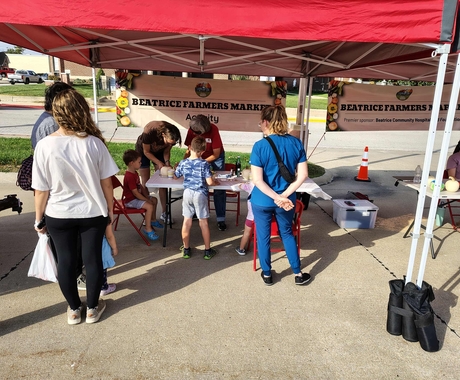
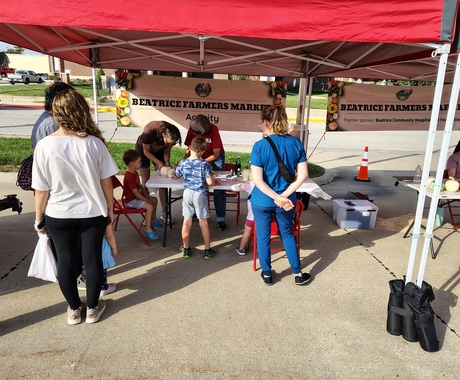
SF २/HF १००-का लागि: दुबै सदन र सिनेटमा पेश गरिएको, यो कानूनले किसान बजार इजाजतपत्र आवश्यकताहरूलाई काउन्टी आधारबाट राज्यव्यापी आधारमा सार्नेछ। हाल, विक्रेताहरूले काउन्टी आधारमा किसान बजारहरूमा बेच्नको लागि वार्षिक $ 150 लाइसेन्स शुल्क तिर्न आवश्यक छ। धेरै काउन्टीहरूमा बेच्न, एकले धेरै काउन्टी शुल्कहरू तिर्नु पर्छ। यस कानूनले एकल राज्यव्यापी वार्षिक शुल्क $ 150 को स्थापना गर्नेछ, कृषि उत्पादकहरू र साना व्यवसाय मालिकहरूलाई उनीहरूको उत्पादनहरू व्यापक रूपमा बजार गर्न बाधाहरू कम गर्नेछ। यसले अस्थायी खाद्य प्रतिष्ठानहरूमा बोझ कम गर्न समान प्रावधानहरू पनि समावेश गर्दछ।
In the House, this legislation passed out of committee and was then referred to Ways and Means, where a subcommittee recommended its passage on Feb. 28. In the Senate, the bill followed a similar path, and its Ways and Means subcommittee recommended an amendment and passage on Feb. 1. Both bills remain viable.
SF102/HF १००- अनुगमन: Introduced in the Senate by Sen. Jeff Taylor, this legislation would repeal the ability of a pipeline company to survey private land with a 10 days written notice. The Senate bill was introduced in the Commerce Committee and assigned a subcommittee. A companion bill in the House was introduced on Feb. 15 and referred to the Judiciary Committee. Neither version was heard by a subcommittee, and the legislation has died.