जोनाथन ह्लाडिक, पूर्व नीति निर्देशक द्वारा
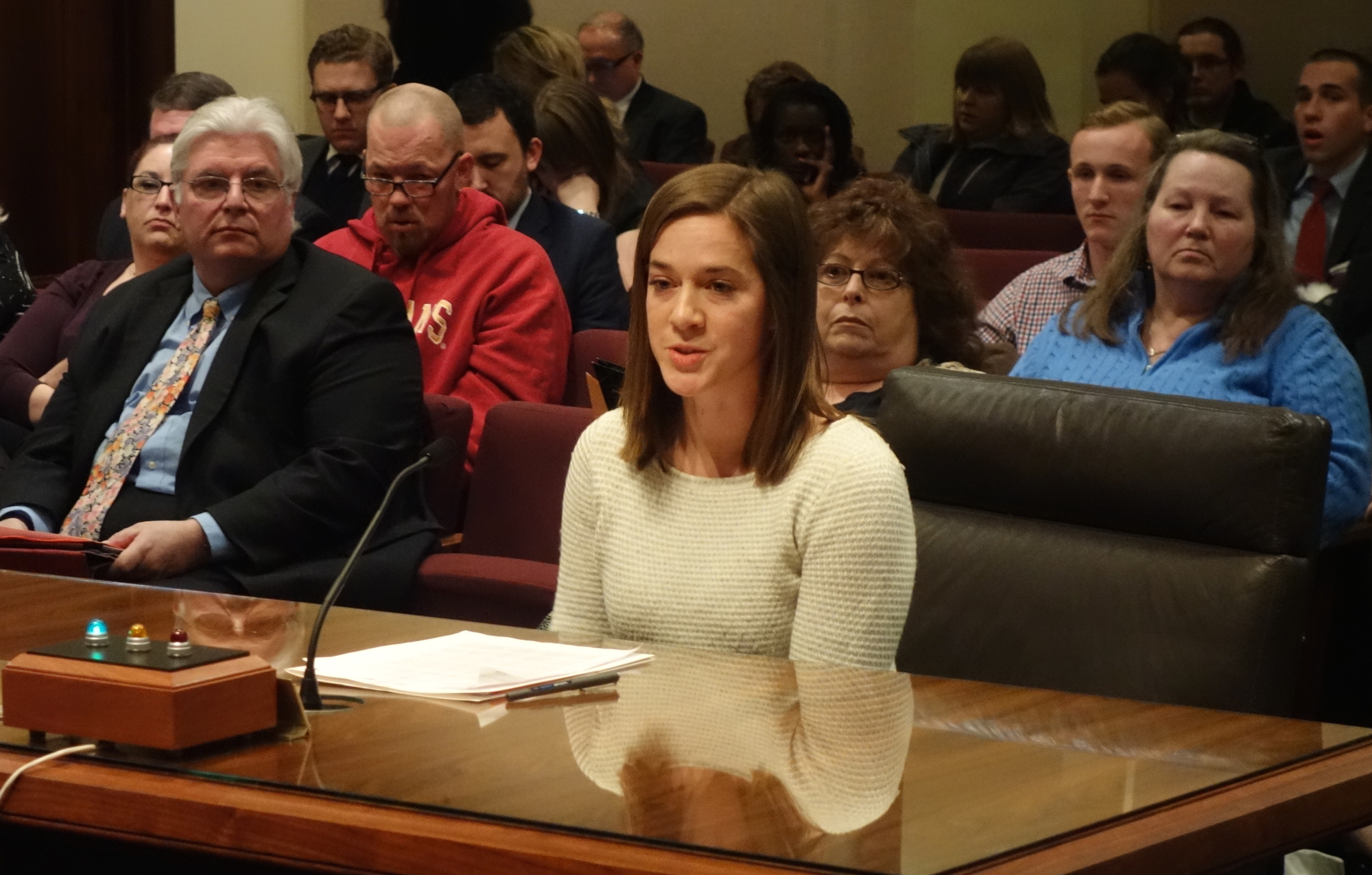
फेब्रुअरी १०, २०१६ मा, नेब्रास्का एक सदनमा संक्रमणकालीन स्वास्थ्य बीमा कार्यक्रम, LB १०३२ माथि बहस सुरु भयो। स्वास्थ्य तथा मानव सेवा समितिले सुनुवाइ सञ्चालन गर्यो र विधेयकमा सार्वजनिक गवाही लिएको थियो।
LB 1032, introduced by Senator John McCollister and co-sponsored by 15 other senators, would use the private health insurance market to help 77,000 working Nebraskans gain access to health care. Referred to as “premium assistance,” this approach enables families with too much income to qualify for traditional Medicaid coverage, but not enough to qualify for premium assistance tax credits, to purchase private market health insurance plans.
For three years our elected officials have put politics before people. Nebraska sat back as neighboring states experienced improved health outcomes by making healthcare accessible to the working poor. The Transitional Health Insurance Program is based on a proven model that will help rural Nebraska achieve the promise of its potential.
We urge the committee to advance this bill. You can see the Center's statement of support below.
An overwhelming number of the 77,000 Nebraskans without access to healthcare work in jobs that either do not offer insurance benefits or do not pay enough to allow workers to access insurance on their own.
With fewer than half of Nebraska’s small business employees employed by firms offering employer-sponsored health insurance, the majority of workers must pay premiums as well as other out-of-pocket costs for health insurance coverage. This crowds out other uses for discretionary income, harming the local economy.
Rural Nebraska’s economy is built almost exclusively on small businesses and their employees. This makes passage of the Transitional Health Insurance Program even more vital to rural and small town Nebraska.
Center's statement of support for LB 1032
फेब्रुअरी 8, 2016
Health and Human Services Committee of the Nebraska Legislature
Room 1510, State Capitol
Lincoln NE 68509
Attn: Legislative Bill 1032
Re: Center for Rural Affairs Statement of Support
The Center for Rural Affairs is a private non-profit, established in 1973 and based in Lyons, Nebraska. The Center works to promote social and economic justice, environmental stewardship, and strengthen rural communities. A significant part of this work is engaging with people about the decisions that affect the future of their communities and the quality of their lives. These communities are directly affected by access to health care and the economic consequences that follow.
I. The Transitional Health Insurance Program is based on a proven model.
Referred to as “premium assistance,” this approach enables families with too much income to qualify for traditional Medicaid coverage, but not enough to qualify for premium assistance tax credits, to purchase private market health insurance plans. Several states, including Arkansas, Iowa, and Indiana, have successfully utilized this approach.
- स्वास्थ्य सेवामा पहुँच विस्तार गर्न आयोवाको प्रिमियम सहायताको प्रयोगले बीमा लागत घटाउन मद्दत गरेको छ। हालैको विश्लेषणले देखाउँछ कि नेब्रास्का सीमावर्ती काउन्टीहरूमा औसत स्वास्थ्य बीमा प्रिमियम आयोवा सीमावर्ती काउन्टीहरूमा औसत मासिक प्रिमियम भन्दा ४.२% बढी छ।
- कैसर परिवार फाउन्डेसनका अनुसार, अर्कान्सासले २०१३ र २०१४ को बीचमा गैर-वृद्ध वयस्कहरूमाझ आफ्नो बीमा नगरिएको दर लगभग आधा घटाएको छ। यो कटौती, राष्ट्रिय रूपमा दोस्रो ठूलो, निजी विकल्प मार्फत प्रस्ताव गरिएको कभरेज मार्गको कारणले ठूलो मात्रामा प्राप्त भएको हो।
- अर्कान्सास अस्पताल संघ (एएचए) ले रिपोर्ट गरेको छ कि अस्पतालहरूले बीमा नगरिएका बिरामीहरू र क्षतिपूर्ति नदिइएका हेरचाह लागतमा नाटकीय गिरावट अनुभव गरिरहेका छन्। २०१४ मा, बीमा नगरिएका बिरामीहरूको इनपेशेन्ट भ्रमण ४८.७%, बीमा नगरिएका आपतकालीन कोठा भ्रमण ३८.८% र बीमा नगरिएका बाहिरी बिरामी क्लिनिक भ्रमण ४५.७% ले घट्यो (२०१३ को तुलनामा)। अस्पतालहरूले वित्तीय स्थिरतामा पनि लाभ अनुभव गरे, २०१३ देखि २०१४ सम्ममा क्षतिपूर्ति नदिइएका हेरचाह घाटा ५५.१% वा $१४९ मिलियनले घट्यो।
- Data show that bad debt/charity care has declined by 16 percent in states such as Iowa, Arkansas, and Indiana that have expanded access to healthcare. This is especially critical for rural hospitals, 35% of which operate at a financial loss.
II. An overwhelming number of the 77,000 Nebraskans without access to healthcare work in jobs that either do not offer insurance benefits or do not pay enough to allow workers to access insurance on their own.
The Transitional Health Insurance Employment Program is designed to overcome this. It does so by referring enrollees to employment and education opportunities, and provides education and skills training targeted at specific state workforce needs. This also helps boost the local economy.
- केर्नीको नेब्रास्का विश्वविद्यालयले राज्यको सबैभन्दा कम आय समूहको लागि स्वास्थ्य सेवा लागत घटाउनाले विस्तारित मेडिकेड कार्यक्रममा प्रति भर्ना हुने व्यक्तिको विवेकाधीन आम्दानीमा $१,१०० को वृद्धि हुने वा सबै सम्भावित विस्तार भर्ना हुने व्यक्तिहरूको लागि कुल $८८ मिलियनको वृद्धि हुने पत्ता लगाएको छ।
- यो बढेको विवेकाधिकार आयले राज्यव्यापी रूपमा ८०० रोजगारी सिर्जना, $३२ मिलियन अतिरिक्त आम्दानी सिर्जना, र $४.९ मिलियन राज्य तथा स्थानीय कर राजस्व उत्पन्न गर्दछ।
- ग्रामीण नेब्रास्काले राज्यको अनुमानित २०१४ जनसंख्याको ३५.६ प्रतिनिधित्व गर्ने भएकोले, ती लाभहरूलाई ग्रामीण समुदायहरूमा २८५ रोजगारी र ग्रामीण क्षेत्रहरूमा बढेको विवेकाधीन आयबाट हुने आर्थिक गतिविधिको कारणले गर्दा १ करोड १४ लाख डलर अतिरिक्त आम्दानीमा जोड्न सकिन्छ।
- मेडिकेड विस्तार गर्ने राज्यहरूमा स्वास्थ्य सेवा रोजगारीमा विस्तार नभएका राज्यहरूको तुलनामा उल्लेखनीय रूपमा छिटो वृद्धि भएको छ। अमेरिकी श्रम तथ्याङ्क ब्यूरोको तथ्याङ्क अनुसार, मेडिकेड विस्तार लागू गर्ने राज्यहरूमा डिसेम्बर २०१३ र डिसेम्बर २०१४ को बीचमा स्वास्थ्य सेवा र सामाजिक सहायता रोजगारी ३०% भन्दा बढी छिटो बढेको छ जुन राज्यहरूले मेडिकेड विस्तार लागू गरेका छैनन्।
III. Rural Nebraska’s economy is built almost exclusively on small businesses and their employees.
With fewer than half of Nebraska’s small business employees employed by firms offering employer-sponsored health insurance, the majority of workers must pay the premium and other out-of-pocket costs for health insurance coverage. This crowds out other uses for discretionary income, harming the local economy.
- स्वास्थ्य सेवा खर्च आम्दानीसँग सम्बन्धित छ - कम आम्दानी भनेको स्वास्थ्य सेवामा समर्पित आम्दानीको उच्च प्रतिशत हो। गरिब र लगभग गरिबहरूले आफ्नो आम्दानीको उच्चतम प्रतिशत स्वास्थ्य सेवामा खर्च गर्छन् - सबैभन्दा कम आय समूहको लागि ७.५%, दोस्रो सबैभन्दा कम आय समूहको लागि ७.९%।
- Many families experience difficulties in paying medical expenses. Harvard University found that 60 percent of bankruptcies had significant medical debt.
- जर्नल अफ पब्लिक इकोनोमिक्समा हालै गरिएको एक अध्ययनले मेडिकेड कभरेजमा १०% वृद्धिले दिवालियापनमा ८% कमी ल्याएको पत्ता लगाएको छ।
- केर्नीको नेब्रास्का विश्वविद्यालयले पत्ता लगायो कि संक्रमणकालीन स्वास्थ्य बीमा कार्यक्रम जस्ता योजनाले २०१९-२०२० सम्म दिवालियापनबाट जोगिनबाट कुल $१४२.७ मिलियन बचत गर्नेछ। नेब्रास्कामा २०१३ को दिवालियापन फाइलिङको आधारमा, नेब्रास्काले स्वास्थ्य बीमामा पहुँच विस्तार गरेको भए २०१३ मा १९५ दिवालियापनबाट बच्न सकिन्थ्यो।
IV. Concluding Remarks
For three years our elected officials have put politics before people. We have sat back as neighboring states experienced improved health outcomes by making healthcare accessible to the working poor. The Transitional Health Insurance Program is based on a proven model that will help rural Nebraska achieve its promise. We urge the committee to advance this bill.
सम्मानपूर्वक प्रस्तुत,
जोनाथन ह्लाडिक
Feature image: Lauren Kolojejchick-Kotch presented a supporter's testimony at the LB 1032 hearing. Photo courtesy of Jeff Sheldon, Nebraska Appleseed