By Jordan Rasmussen, former staff member
We all know water is essential for life, but the sufficient consumption of water also has long-term health benefits. Increased water consumption has been found to reduce levels of dental decay, positively impact cognition, improve overall eating and physical activity habits, and reduce the risks for obesity.
In Nebraska, where the rate of obesity for high school students and adults both fall in the top quarter of all states, an increase in the consumption of water could help not only waistlines, but the state’s bottom line when it comes to health care costs.
To help reverse this public health trend, the Center for Rural Affairs is getting involved by working to improve access to water in Nebraska schools.
For our state’s school children, especially those in rural and underserved schools, access to clean, cold drinking water during the school day and activities is not always a right afforded.
Moreover, limited access to water can, in turn, leave space for the replacement of water with sugary drinks which can contribute to weight gain and dental caries. By increasing access to water during the school day for children, long-term health behaviors can be impacted and shaped, mitigating the prevalence of obesity-related health impacts in these communities.
Each obese child carries with them an estimated $19,000 pricetag in future health care and loss of productivity costs. Based on current obesity levels among Nebraska’s children, these lifetime costs will total more than $487 million.
Early interventions and the mitigation of behaviors, which contribute to obesity, are needed.
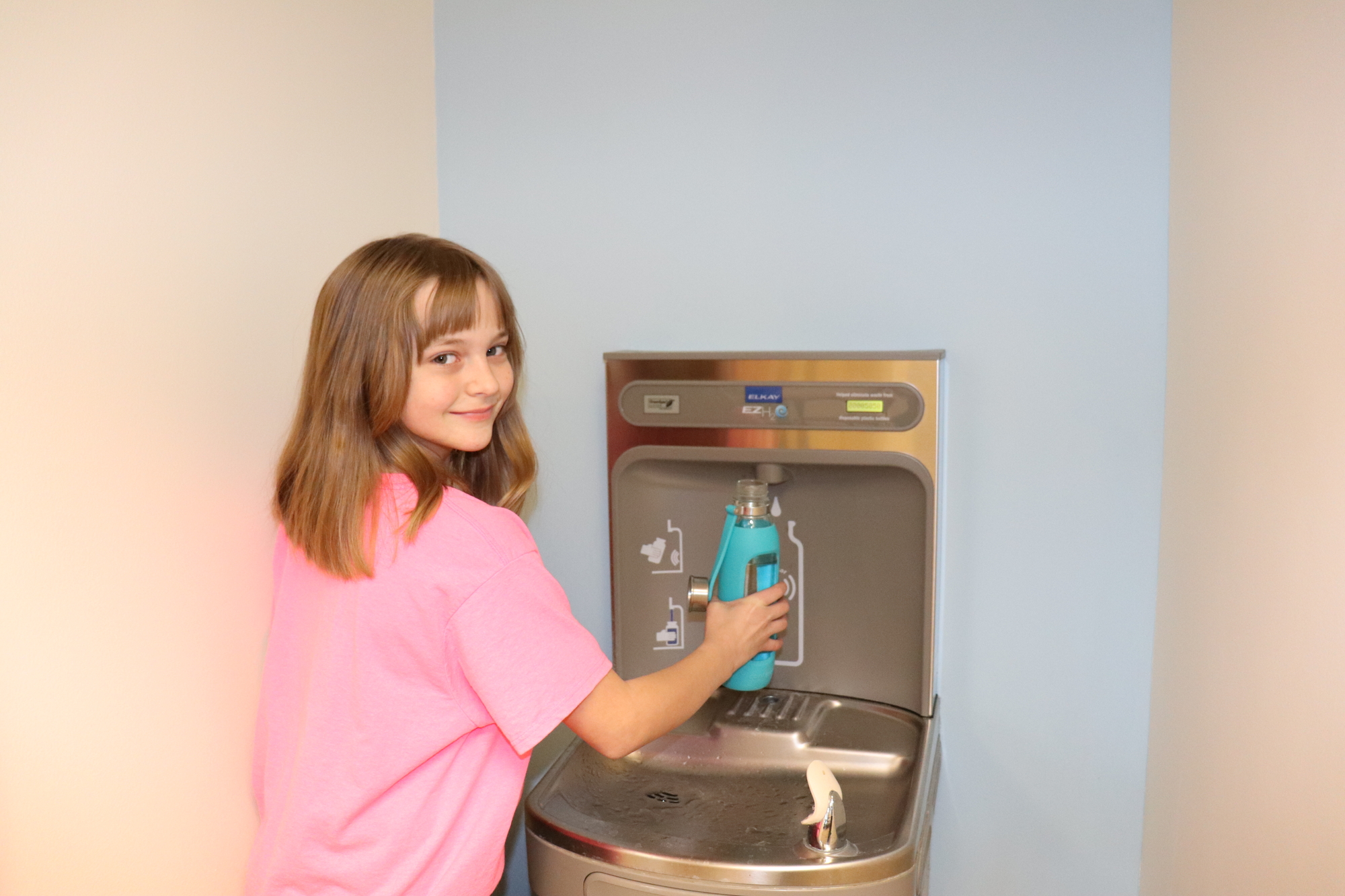
The solution starts at school. We can begin to address our state’s obesity epidemic by ensuring each child has access to clean water throughout the school day and during after-school activities and events.
The Center for Rural Affairs, along with partners, will work to introduce legislation in the 2020 Nebraska session to improve student access to water during the school day by increasing the number of water fountains installed in schools during new construction or major renovation projects.
We invite you to be a part of this policy-making process. Share with us your stories of water access or quality in your community’s school system or actions taken by your school board to improve water access.
Nebraska, it is time to sip up and require our schools to provide clean, reliable access to drinking water for our students.